 Writers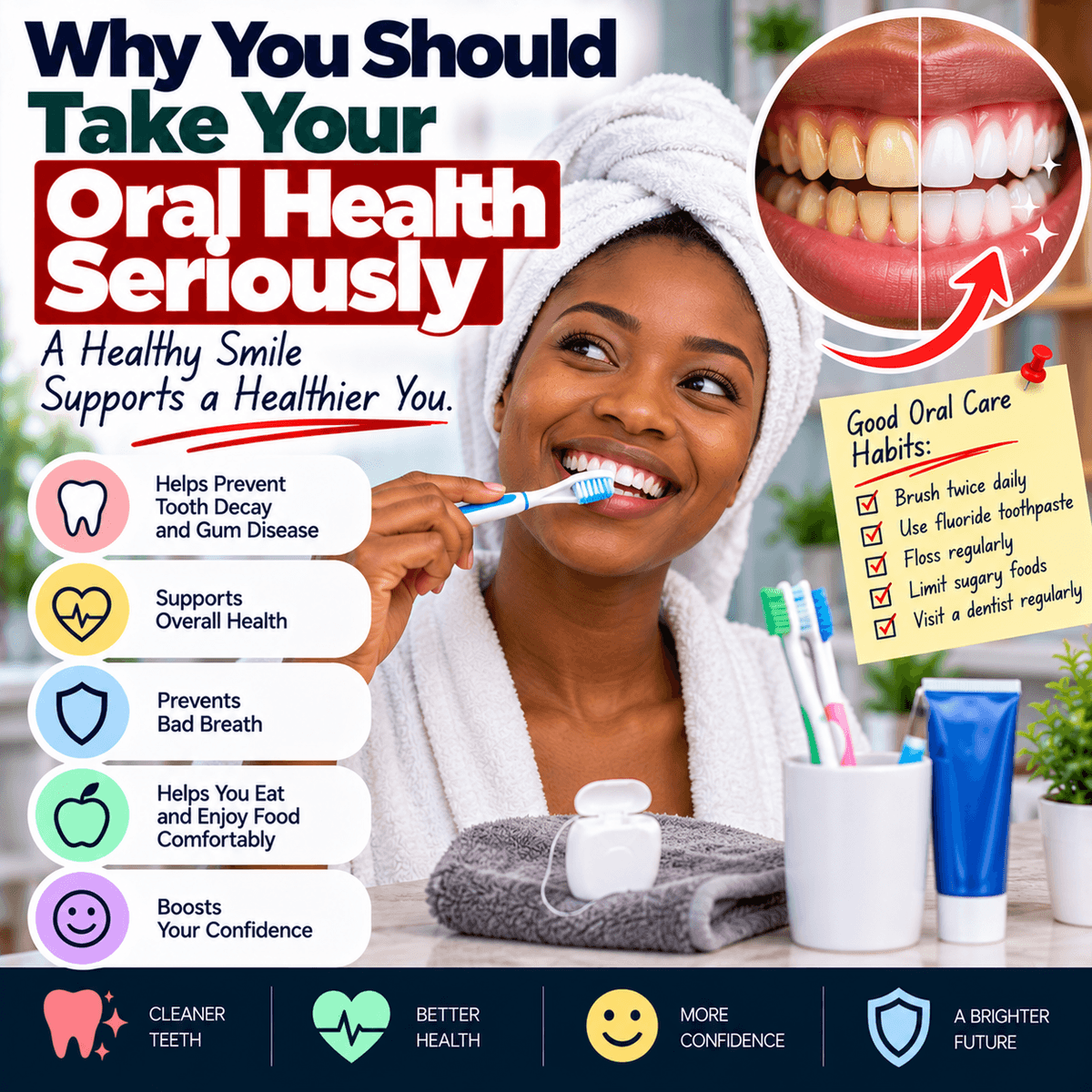
Oral health is an important part of general health, yet it is easy to give it attention only when there is pain. Many people brush their teeth every day but may not think much about their teeth and gums until they develop a toothache, bleeding gums, swelling, bad breath or difficulty eating. By that time, a problem may have been developing for some time. Taking oral health seriously means developing regular habits that help keep your mouth clean and recognising changes that may need professional attention. Your mouth is used every day for eating, drinking and speaking, so problems can affect ordinary activities and quality of life. Tooth decay, for example, can begin without severe pain. Gum problems may also develop gradually, and some people may notice bleeding when brushing but continue to ignore it because the bleeding stops quickly. Persistent symptoms should not automatically be accepted as normal. Regular care starts with simple daily actions. Brush your teeth thoroughly twice a day with fluoride toothpaste, using a suitable toothbrush and gentle technique. Cleaning between the teeth is also important because a toothbrush may not reach every area where food particles and plaque can collect. The exact method that works best can depend on your dental needs, so a dentist or other qualified oral health professional can provide individual advice. It is also useful to pay attention to changes in your mouth instead of waiting for severe discomfort. Pain, swelling, bleeding, sores that do not heal, loose teeth or other persistent changes deserve attention. Good oral care is not mainly about having perfectly white teeth. It is about keeping the teeth, gums and other parts of the mouth as healthy and functional as possible.
Daily habits have a major role in oral health, and brushing is only one part of the picture. What you eat and drink also matters. Frequently consuming foods and drinks that contain a lot of added sugar can increase the conditions that contribute to tooth decay, particularly when teeth are repeatedly exposed throughout the day. This does not mean that a person can never eat something sweet. It means frequency and overall habits matter. Water is generally a better everyday drink than regularly consuming sugary drinks. After eating, bacteria in the mouth can use sugars and produce acids that affect the tooth surface. Good cleaning habits and fluoride help protect the teeth, but constantly exposing them to sugary foods and drinks can make prevention more difficult. Tobacco use is another important concern because it can harm oral tissues and is associated with serious oral health problems. Alcohol can also affect oral health, particularly with frequent or heavy use. People who wear braces, dentures or other dental appliances may need additional cleaning routines because food and plaque can collect around them. The toothbrush itself should also receive attention. Replace it, or the brush head if you use an electric toothbrush, when the bristles become worn or according to professional guidance. Brushing harder is not necessarily better. Aggressive brushing can cause problems, so use a gentle and effective technique rather than trying to scrub the teeth with excessive force. If you are unsure about your technique, ask a dental professional to demonstrate it. A few minutes spent on consistent daily care can be more useful than waiting for pain before thinking about your teeth.
One common mistake is to believe that there is no reason to visit a dentist when nothing hurts. Dental problems do not always produce noticeable symptoms at an early stage, and a professional examination can identify concerns that may not be obvious to you. The appropriate frequency of dental visits can vary depending on a person's oral health, age, medical history and level of risk, so it is better to follow individual professional advice rather than assume that one schedule is suitable for everyone. During an examination, a dentist can assess the condition of your teeth and gums, discuss symptoms and advise you about cleaning or treatment where necessary. Professional cleaning may also be recommended depending on your needs. Fear is one reason some people delay dental appointments. A previous uncomfortable experience, concern about treatment or anxiety about what the dentist may find can make avoidance feel easier. Cost can also be a real concern. However, delaying a problem until it becomes severe may reduce the available options and can sometimes make treatment more complicated. If cost is a concern, ask the clinic about the recommended treatment, what is most urgent and what options may be available. If anxiety is the main problem, tell the dental team before treatment so they understand your concerns. Another mistake is trying to manage every dental problem at home. Painkillers may temporarily reduce tooth pain, but they do not identify or correct the cause. Similarly, repeatedly taking antibiotics without proper professional assessment is not an appropriate way to manage toothache. Antibiotics are not needed for every dental problem and should only be used when prescribed appropriately. Persistent dental pain requires assessment rather than repeated self-medication.
Knowing which changes deserve prompt attention is another important part of oral health. Severe tooth pain, facial swelling, significant injury to the teeth or mouth, uncontrolled bleeding or difficulty breathing or swallowing can require urgent medical or dental care. Swelling that is spreading or accompanied by serious illness should not be ignored. A tooth that has been knocked out because of an injury can also be a dental emergency, and prompt professional care may affect the available treatment options. Other problems may not require emergency treatment but should still be checked. Gums that repeatedly bleed, persistent bad breath despite good cleaning, a tooth that becomes loose without an obvious reason, recurring mouth pain or sensitivity that continues should be discussed with a dental professional. Mouth ulcers and sores are common and often heal, but a sore, patch, lump or other unusual change that does not heal within a reasonable period should be professionally assessed. Do not try to diagnose the cause from photographs or social media posts. Different conditions can produce similar symptoms, and proper examination is important. Parents and caregivers should also help children develop good oral health habits early. Children may need supervision while brushing until they can clean their teeth effectively themselves. Regular care during childhood can help them learn that dental care is a normal part of health rather than something that happens only after pain begins. Older adults may also face changing dental needs, particularly if they use dentures, take medicines that affect the mouth or have health conditions that make oral care more difficult. Individual advice becomes especially useful when circumstances change.
Taking oral health seriously does not require complicated routines. Consistency is more important. Brush properly twice a day with fluoride toothpaste, clean between your teeth using an appropriate method, make sensible choices about sugary foods and drinks, and seek professional advice about the dental care that is appropriate for you. Pay attention to your mouth when brushing. If you notice repeated bleeding, swelling, pain, a damaged tooth or another persistent change, do not wait indefinitely for it to disappear. Avoid using another person's prescription medicine or relying on unverified online remedies for dental problems. If a dentist recommends treatment, ask questions when you do not understand what is being proposed. You should know what the problem is, what treatment is intended to do and what you need to do afterward. Good oral health habits also become easier when they are part of a routine. Keep your toothbrush where you will remember to use it, replace it when necessary and make evening brushing a regular part of preparing for bed rather than something you do only when you remember. Encourage the same habits within your household without assuming that everyone's dental needs are identical. Your teeth and gums have to serve you every day for many years, and giving them regular attention is far easier than ignoring problems until eating, sleeping or speaking becomes uncomfortable. Oral health should therefore be treated as a normal part of looking after yourself. Daily care, appropriate professional checkups and timely attention to unusual symptoms can help you maintain a healthier mouth and deal with problems before they become more difficult to manage.
