Writers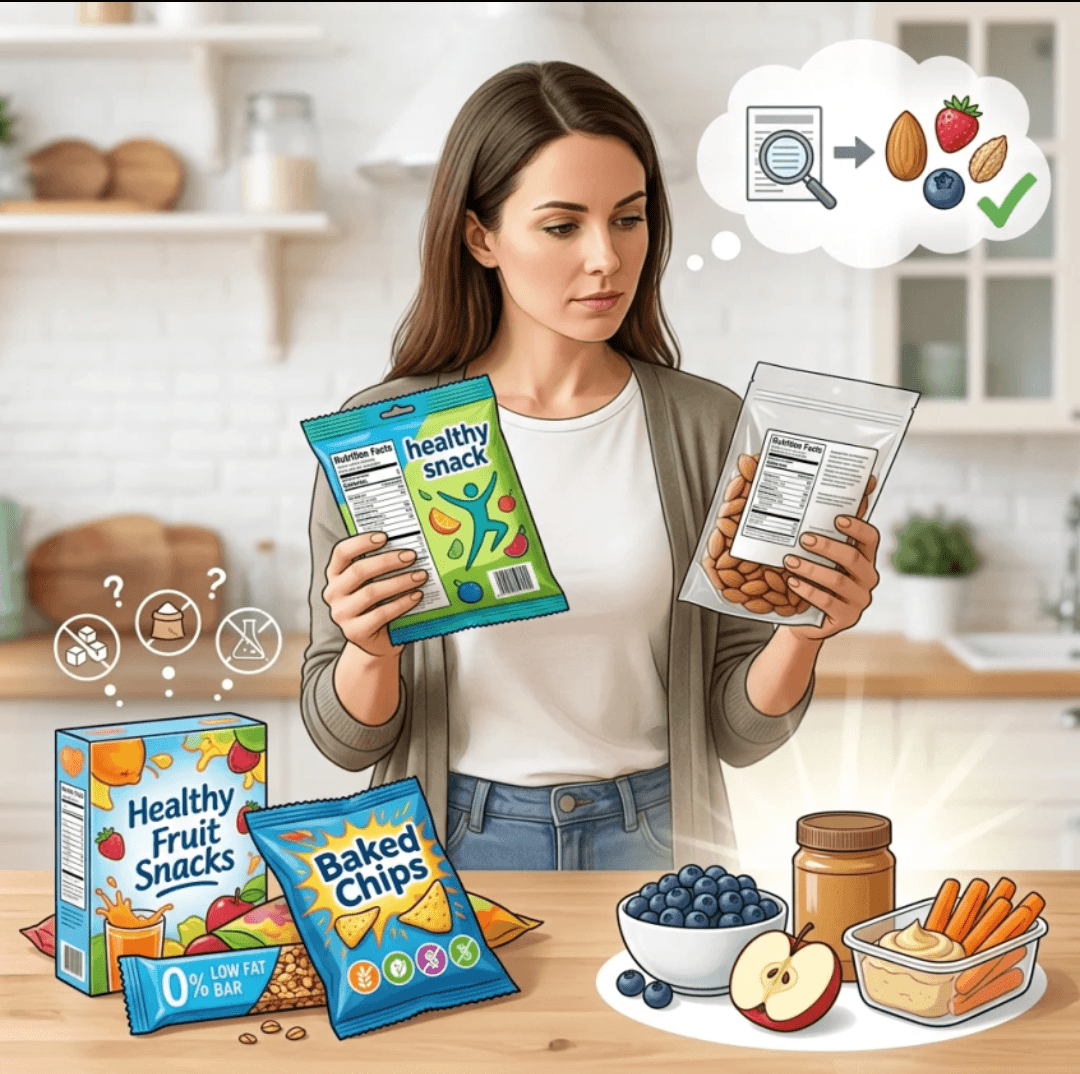
Why Your Grocery Cart Might Be Lying to You
You're standing in the snack aisle, and every package seems to be shouting for attention. "Low fat!" "All natural!" "Made with real fruit!" "Gluten-free!" It's easy to toss a few of these into your cart and feel good about your choices. But here's the uncomfortable truth: many snacks marketed as healthy are anything but that.
If you're over 20 and trying to eat better without falling for marketing tricks, this article is for you. We'll break down the most common "healthy" snack myths, show you what's really in your favorite packaged foods, and give you simple, practical swaps that actually support your health goals.
The Problem: Health Claims Aren't Regulated the Way You Think
One of the biggest issues with food marketing is that terms like "natural," "wholesome," and even "healthy" are loosely defined—or not defined at all—by regulators in many countries. Food companies know that shoppers associate certain words with good nutrition, so they use them strategically, even when the product doesn't back it up.
This means the responsibility often falls on you, the consumer, to read past the front-of-package claims and check the actual nutrition label and ingredient list. Let's look at some of the most common offenders.
Myth #1: "Low Fat" Means Low Calorie
When manufacturers reduce fat in a product, they often need to add something else to maintain flavor and texture—usually sugar or refined starches. The result? A "low fat" granola bar or yogurt can sometimes contain just as many calories, or more, than the regular version.
What to do instead: Check the total calorie count and sugar content, not just the fat grams. A small amount of healthy fat—like that found in nuts or avocado—can actually help you feel fuller longer.
Myth #2: "Made with Real Fruit" Means It's Mostly Fruit
Fruit snacks, cereal bars, and flavored yogurts often use this phrase, but the actual fruit content can be minimal. Many of these products rely primarily on fruit juice concentrate or added sugar to create sweetness, with real fruit appearing far down the ingredient list.
Example: A popular fruit snack might list "corn syrup" or "sugar" as the first or second ingredient, with "fruit puree concentrate" appearing several spots later.
What to do instead: Choose whole, fresh, or frozen fruit when possible. If you're buying a packaged product, scan the ingredient list—ingredients are listed by quantity, so the first few items make up the bulk of the product.
Myth #3: "Gluten-Free" Equals Healthy
Gluten-free products are essential for people with celiac disease or gluten sensitivity, but for everyone else, "gluten-free" is not a nutritional upgrade. Many gluten-free snacks replace wheat flour with refined rice flour, potato starch, or tapioca starch.
What to do instead: If you don't have a medical need to avoid gluten, don't assume a gluten-free label means fewer calories or more nutrients. Look for whole grains, fiber content, and protein instead.
Myth #4: Protein Bars Are Basically Candy Bars in Disguise
Protein bars are marketed toward people trying to build muscle, lose weight, or simply eat "cleaner." But a quick label check often reveals that many popular protein bars contain as much sugar as a candy bar, along with sugar alcohols that can cause digestive discomfort in some people.
What to do instead: Look for bars with at least 8–10 grams of protein, under 10 grams of added sugar, and a short, recognizable ingredient list. Better yet, try whole-food options like a hard-boiled egg with a piece of fruit, or plain Greek yogurt with nuts.
Myth #5: "Baked, Not Fried" Means It's a Health Food
Baked chips and crackers sound like a smarter alternative to fried snacks, and they often do contain less fat. However, many baked snacks make up for the lost fat with extra sodium or refined starches to preserve crunch and flavor. The calorie difference between baked and fried versions is sometimes smaller than people expect.
What to do instead: Portion control matters more than the baked-versus-fried debate. Pair a smaller portion of your favorite chip with a source of protein or fiber, like hummus or guacamole, to make the snack more satisfying and balanced.
How to Read a Label Like a Pro
Next time you're deciding between two snacks, try this quick checklist:
Check the serving size first. Nutrition numbers are often listed per serving, not per package.
Look at added sugars, not just "sugars," since some sugar occurs naturally in ingredients like fruit or dairy.
Scan the first three ingredients. These make up most of the product.
Watch for sodium, especially in savory snacks marketed as "light" or "baked."
Don't be swayed by front-of-package buzzwords. Flip the package over before you decide.
Smarter Snacking Doesn't Mean Boring Snacking
Eating well doesn't require giving up snacks—it just means choosing them with a bit more awareness. Some simple, satisfying options that don't rely on marketing hype include:
A handful of raw almonds or walnuts
Sliced apple with natural peanut butter
Plain popcorn seasoned with herbs instead of butter
Carrot sticks with hummus
A small portion of dark chocolate paired with fruit
These options are easy to prepare, widely available, and don't require decoding confusing label claims.
"Healthy" on a package is a marketing choice, not a nutritional guarantee. The only way to know what you're really eating is to look past the claims and read the actual nutrition facts and ingredient list. Once you know what to look for, spotting the difference between a genuinely nutritious snack and a cleverly marketed one becomes second nature.
Start with your next grocery trip. Pick up two snacks you usually buy, flip them over, and compare the labels side by side. You might be surprised by what you find—and empowered to make a better choice next time.