Writers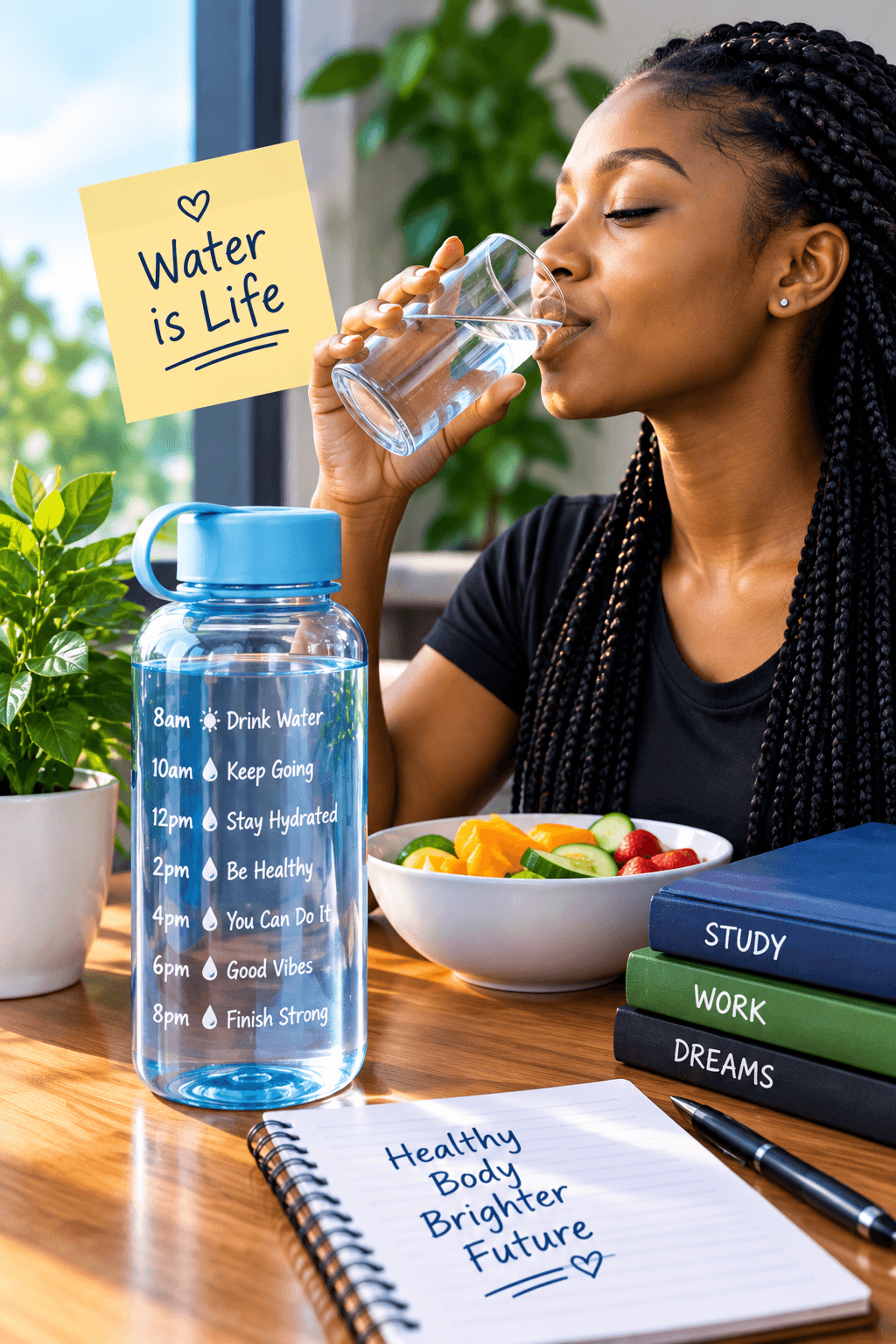
Every living soul needs water to survive. Without water, life as we know it would not exist. Water helps keep our bodies going, allowing us to move, work, think, and carry out our everyday activities.
There is an old saying that “water is life.” This simple saying carries a deep meaning because water does a lot for the human body. From the moment we wake up in the morning until we go to bed at night, our bodies depend on water in many different ways.
Water helps regulate our body temperature, supports digestion, helps transport nutrients, and keeps many of the body's normal processes working properly. Even though drinking water may seem like an ordinary daily activity, it is one of the basic things our bodies need.
Sometimes, we become so busy with work, school, house chores, travelling, or other activities that we forget to drink enough water. We may only remember when we become very thirsty. But thirst is one of the ways our body reminds us that it needs more fluids.
When the body does not get enough water, a person may experience signs such as a dry mouth, tiredness, headache, dizziness, or darker urine. These symptoms can have other causes too, but they can be a reminder to pay attention to how much water we are taking.
Water is also important for concentration and everyday activities. When we are not properly hydrated, we may feel tired and find it harder to concentrate. For students trying to study, workers trying to complete their duties, or anyone carrying out daily responsibilities, feeling tired or uncomfortable can make the day more difficult.
Water also supports the digestive system. Drinking enough fluids helps digestion and can help prevent constipation. During hot weather or physical activity, the body loses more water through sweating, making it even more important to replace the fluids we lose.
There are situations where the body can lose water more quickly, such as during fever, vomiting, diarrhoea, heavy sweating, or intense physical activity. In such situations, replacing lost fluids is important. Severe dehydration can be dangerous and may require medical attention.
Our water needs are not exactly the same for everyone. Age, activity level, weather, diet, pregnancy, illness, and other factors can affect how much fluid a person needs. Foods such as fruits and vegetables can also contribute to our daily fluid intake.
We often think carefully about the food we eat because we know nutrition matters, but water deserves our attention too. We should not wait until we feel extremely thirsty before remembering to drink.
Keeping a bottle of water nearby can make it easier to remember. Taking regular sips throughout the day and paying attention to the body's signals can also help.
Water may look simple, but it plays a major role in our daily lives. Something as ordinary as drinking water is actually one of the ways we take care of our bodies.
So before you continue with your busy day, ask yourself:
Have I had enough water today?