 Writers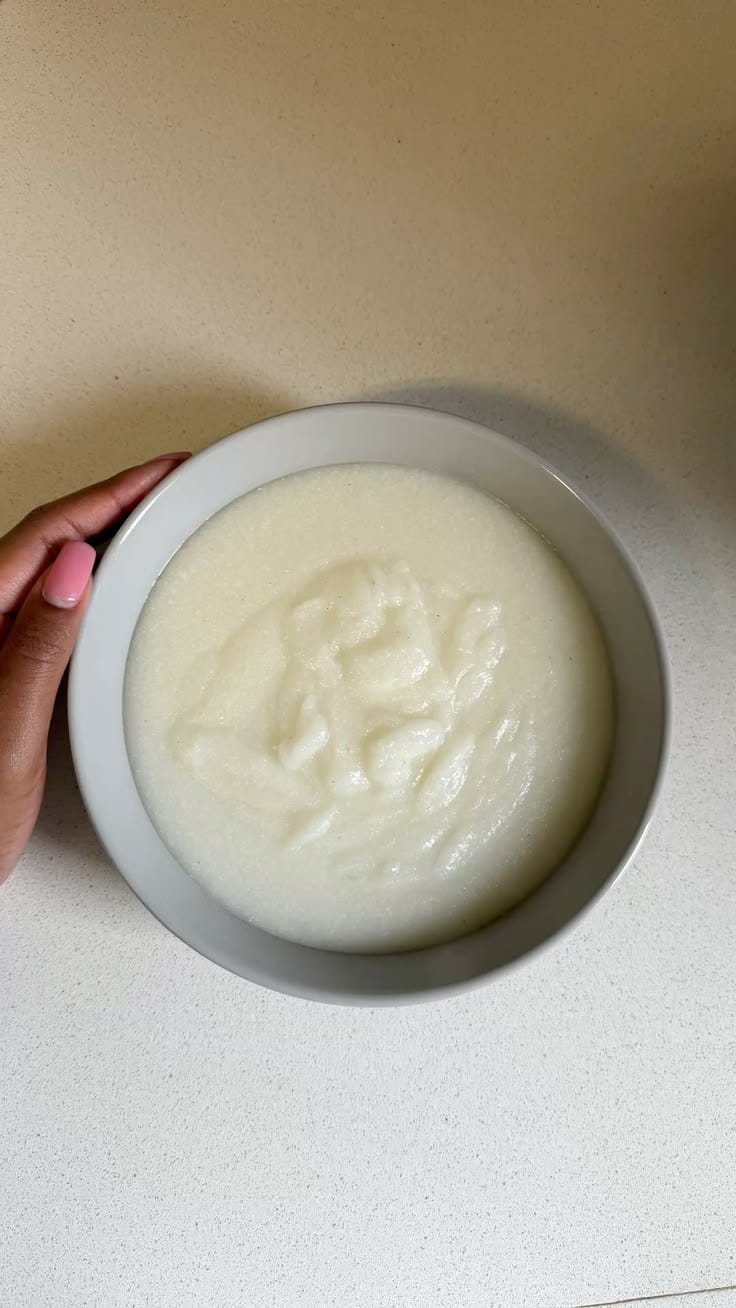
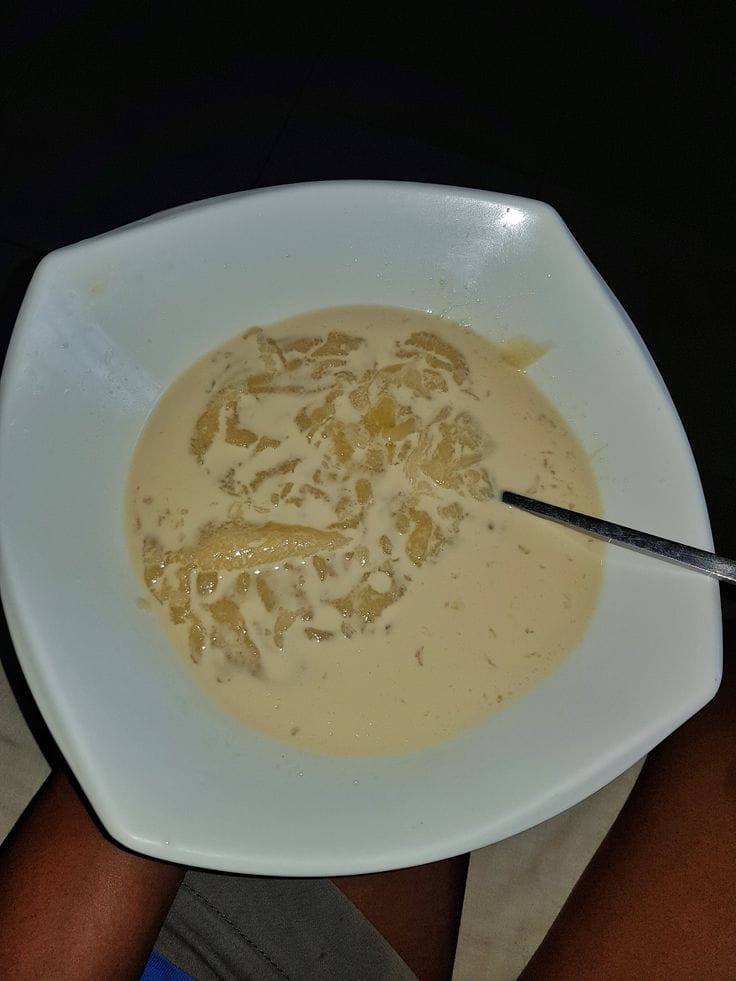
Ogi, ogiri, and iru are not just traditional flavor boosters. They are fermented foods, and fermentation does something most people never think about: it changes the nutritional value of food, often for the better, before it even reaches your plate.
What Fermentation Actually Does
During fermentation, natural bacteria and yeast break down parts of the food that the human body normally struggles to digest well on its own. This process increases the availability of certain nutrients, particularly B vitamins, and produces beneficial bacteria similar to what is found in yogurt or probiotic supplements.
Ogi, made from fermented maize, sorghum, or millet, is easier on digestion than the unfermented grain would be. The fermentation process also lowers the pH of the food, which naturally slows down the growth of harmful bacteria, making it safer to store for longer periods, especially in warm climates.
Why Iru and Ogiri Matter Beyond Flavor
Iru, made from fermented locust beans, and ogiri, made from fermented melon or castor seeds, are usually added in small amounts to soups for their strong flavor. What often goes unnoticed is that both are also good sources of plant-based protein, and the fermentation process makes that protein easier for the body to absorb than it would be in the unfermented seed.
Fermentation Helps Break Down Anti-Nutrients
Many raw grains, seeds, and legumes contain compounds called anti-nutrients, which can block the body from properly absorbing minerals like iron and zinc. Fermentation reduces the levels of these compounds significantly. This is part of why fermented ogi is often recommended as one of the earliest solid foods for babies, since it is gentler on a developing digestive system than unfermented grain.
Other Fermented Foods Worth Knowing
Kunu, a fermented drink made from grains like millet or guinea corn, offers similar digestive benefits and is often consumed for its cooling, refreshing properties, especially during hot weather. Garri, produced from fermented cassava, goes through a process that removes naturally occurring toxic compounds present in raw cassava, making fermentation not just a matter of nutrition here but also basic food safety.
Fermented palm wine and traditional yogurt like dairy products found in some Nigerian communities follow the same principle. Beneficial microorganisms transform the original food into something with a different, often improved, nutritional profile, while also extending how long it can be safely stored without refrigeration.
Fermentation and Gut Health
Beyond vitamins and minerals, fermented foods support the population of good bacteria living in the digestive system. A healthy balance of gut bacteria has been linked to better digestion overall, and increasingly, research points to connections between gut health and broader aspects of wellbeing, including immune function. Eating fermented foods regularly is one practical way to support this balance without needing any special supplement.
Foods like ogi, iru, and ogiri already have a place in most Nigerian kitchens, usually valued for taste and tradition rather than nutrition. Recognizing that fermentation adds real nutritional value, not just flavor, is a good reason to keep these foods a regular part of the diet rather than treating them as optional extras.