Writers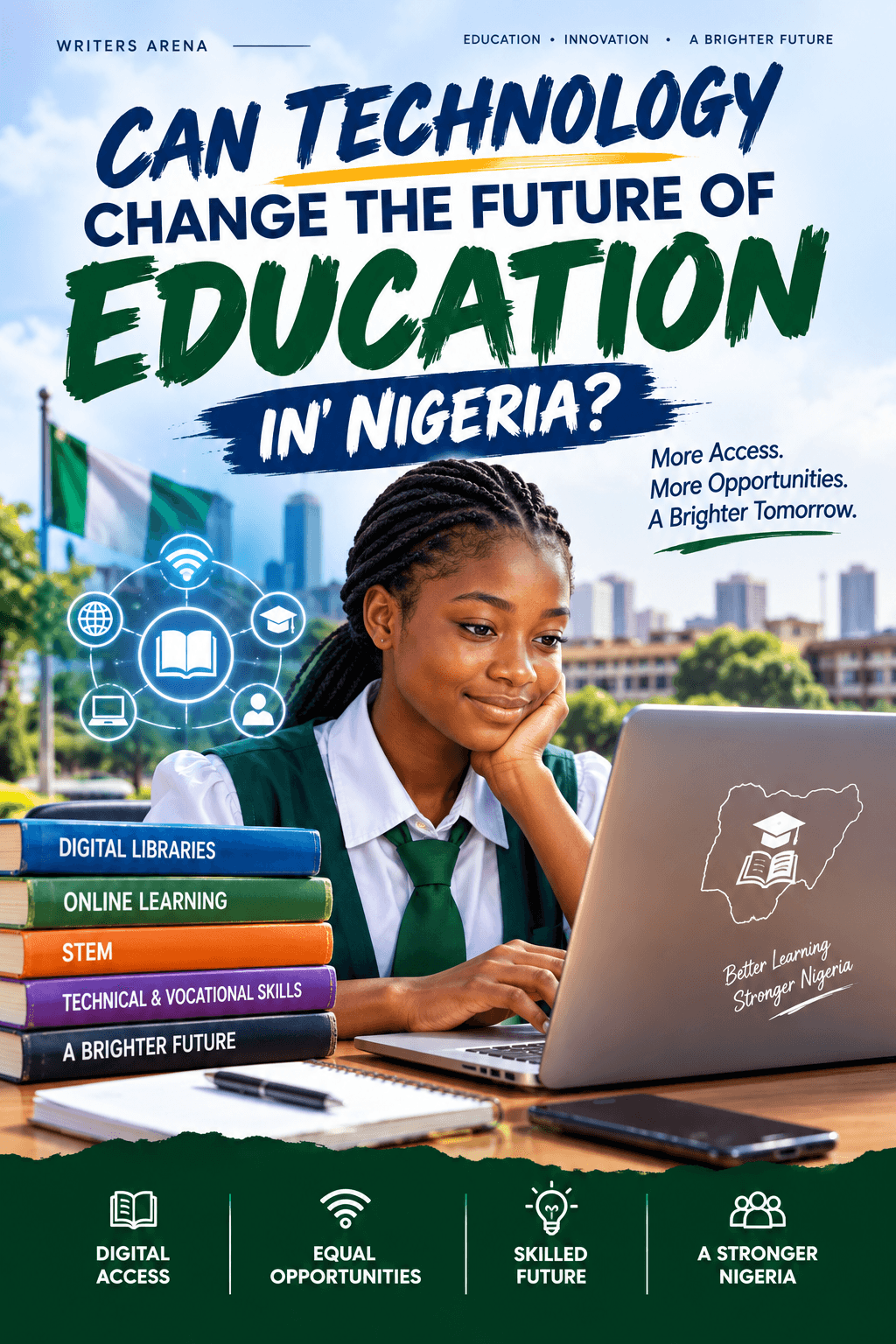
Education in Nigeria is changing as technology becomes an increasingly important part of how students learn. From digital libraries and online lessons to educational websites and learning applications, technology is creating new ways for students to access knowledge. However, the benefits of digital education will depend on whether students across the country can actually afford and access the internet.
A recent development has brought this issue into the spotlight. The Nigerian Communications Commission (NCC) launched an initiative aimed at providing about five million students with up to 100 MB of free data each day to access approved educational websites and learning platforms. The initiative is expected to begin on October 1, 2026, and will initially focus on students in public senior secondary schools and public tertiary institutions.
Premium Times Nigeria +1
The programme is known as the Zero-Rated Access to Educational Platforms and Content Initiative. Unlike ordinary free internet access, the programme is designed specifically for approved educational platforms. This means students will be able to use the supported educational websites without the data being deducted from their normal data balance. The platforms are expected to include digital libraries, learning management systems, educational repositories, teacher-development resources and technical and vocational learning platforms.
Premium Times Nigeria +1
This development is important because the cost of internet data can make digital learning difficult for many Nigerian students. A student may have a smartphone but still struggle to attend online classes, download study materials or conduct research because of the cost of data. By reducing this particular barrier, technology could make educational resources available to more students.
Technology can also help students learn beyond the traditional classroom. A student who does not completely understand a topic during a classroom lesson can search for additional explanations, watch an educational lesson, read digital textbooks or use online learning resources. This gives students more opportunities to study at their own pace.
For university students, digital education can be especially useful. Students can use online resources to conduct research, revise difficult subjects and access materials that may not be available in their physical libraries. Technology can also make communication between students and teachers easier.
Another advantage is that technology can help students in areas where educational resources are limited. Some communities may have fewer teachers, libraries or learning materials than others. Better internet connectivity can help connect students to educational resources regardless of where they live. The NCC has described improved connectivity as part of a broader effort to reduce educational inequalities.
NCC
However, technology is not a complete replacement for teachers. A computer or smartphone cannot replace the guidance, encouragement and personal interaction that a good teacher provides. Digital learning should therefore support teachers rather than make them unnecessary.
There are also challenges that must be considered. Internet connectivity is still uneven in different parts of Nigeria, and some students may not have smartphones, computers or reliable electricity. Even with free educational data, a student may struggle to benefit if the network in their community is poor or they do not have a suitable device.
Another concern is the quality of information available online. Students must learn how to identify reliable educational sources instead of believing everything they see on the internet. Digital education therefore requires not only internet access but also digital literacy.
The new NCC initiative also has limitations because the free data will not mean unlimited access to the entire internet. The zero-rating will apply to educational platforms approved under the programme. The NCC and Federal Ministry of Education are responsible for determining which platforms qualify.
Premium Times Nigeria
Despite these challenges, technology has the potential to make Nigerian education more flexible and accessible. If investments in internet connectivity, electricity, digital devices, educational content and teacher training continue, more students could benefit from digital learning.
The future of education in Nigeria may therefore not be about choosing between technology and traditional classrooms. Instead, the strongest approach could be combining both. Teachers can provide guidance and human interaction, while technology provides additional resources and opportunities for independent learning.
Technology alone cannot solve every problem in Nigeria's education system. But when it is properly planned and made accessible, it can become a powerful tool for improving how students learn.
The real question is not whether technology will become part of Nigerian education. It already has. The important question is whether Nigeria can make digital education accessible enough for every student to benefit from it.