Writers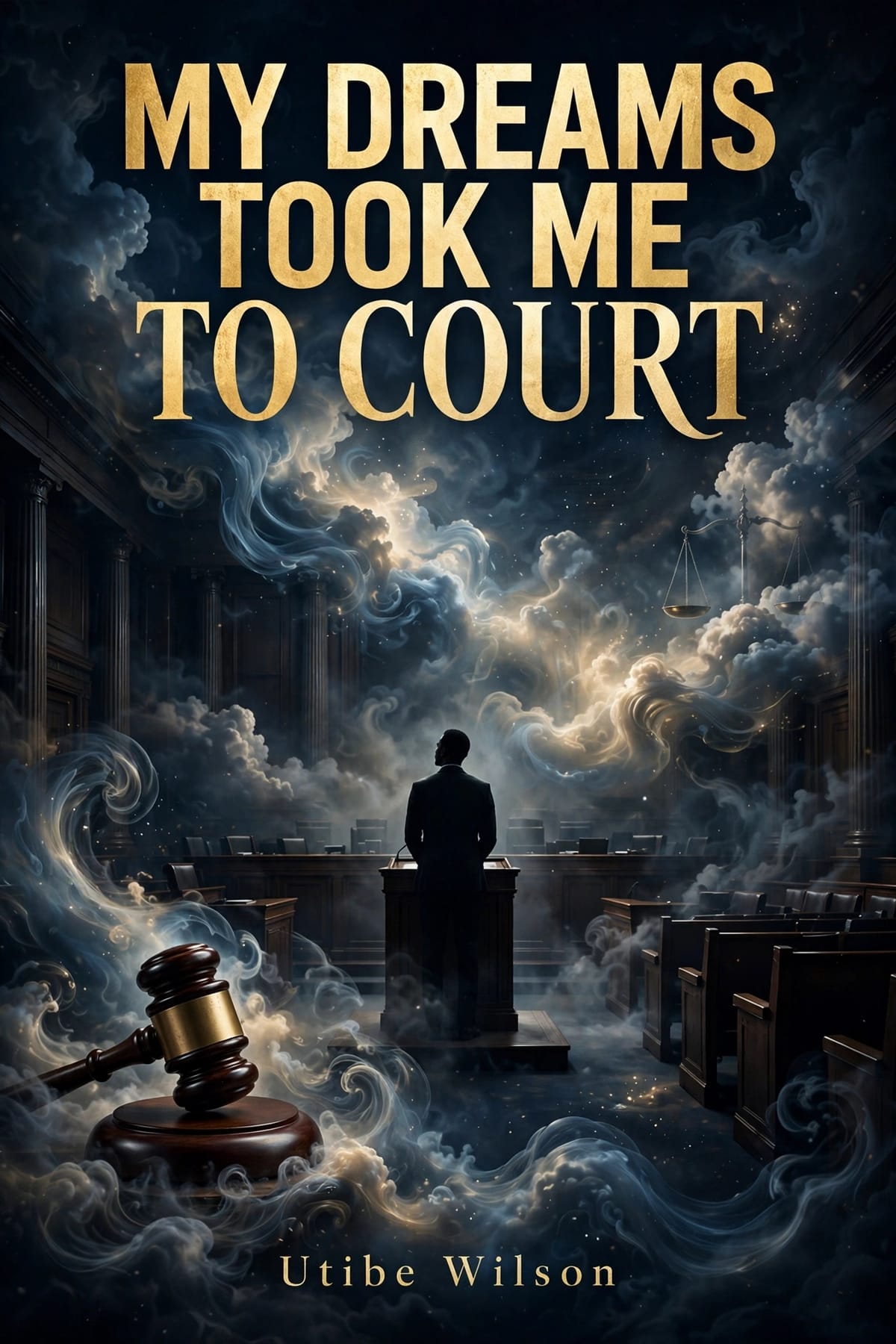
The courtroom was crowded when I arrived.
My childhood dreams sat in the front row, wearing clothes I had forgotten I once wanted to wear.
The judge was a clock. The jury was made of mirrors. And the prosecutor
a younger version of me with stars in her eyes and no idea how expensive disappointment could become.
“State your name,” the judge commanded.
I did.
“State your crime.”
I laughed nervously.
“Excuse me?”
The prosecutor stood.
“This person,” she announced, “has been charged with abandoning seventeen dreams, postponing eleven adventures, and saying ‘one day’ so many times that the words have lost their meaning.”
The gallery murmured.
A dream of becoming a writer held up a manuscript with nothing but a title.
A dream of traveling the world dragged a suitcase full of unopened maps.
My dream of dancing had grown old in a corner, its shoes collecting dust.
“Do you plead guilty?” the clock asked.
I looked at my younger self.
She looked disappointed.
“I had bills,” I whispered. “I had responsibilities. I was afraid. I didn't know where to start.”
The prosecutor nodded.
“I understand. But why did you stop believing that small beginnings counted?”
Silence.
“Why did you wait until you felt ready? Why did you confuse being practical with being afraid to fail?”
I had no answer.
The judge struck the table.
“Order!”
A dream in the back row began to cry.
I recognized it immediately.
It was the life I might have lived if I had trusted myself a little sooner.
I wanted to defend myself.
I wanted to explain every closed door, every rejection, every person who laughed when I spoke about the future.
But then I noticed something.
The prosecutor was crying too.
She wasn't angry because I had failed.
She was grieving because I had stopped trying before I discovered what I could become.
The judge stood.
“After reviewing the evidence, this court finds the defendant guilty of being human.”
The room went still.
“Punishment,” the clock continued, “shall be as follows:
You must begin again.
You must make mistakes in public.
You must create things before you know whether anyone will care.
You must stop treating your life like a rehearsal for some imaginary opening night.”
I swallowed.
“And if I fail again?”
The judge smiled.
“Then return to court.”
The gavel fell.
I woke up at my desk with an unfinished page in front of me.
For a moment, I considered going back to sleep.
Then I picked up my pen.
Outside, the morning was doing what mornings do
arriving without guarantees.
And somewhere deep inside me, seventeen abandoned dreams began packing their bags.
Not to leave.
To move back in.