 Writers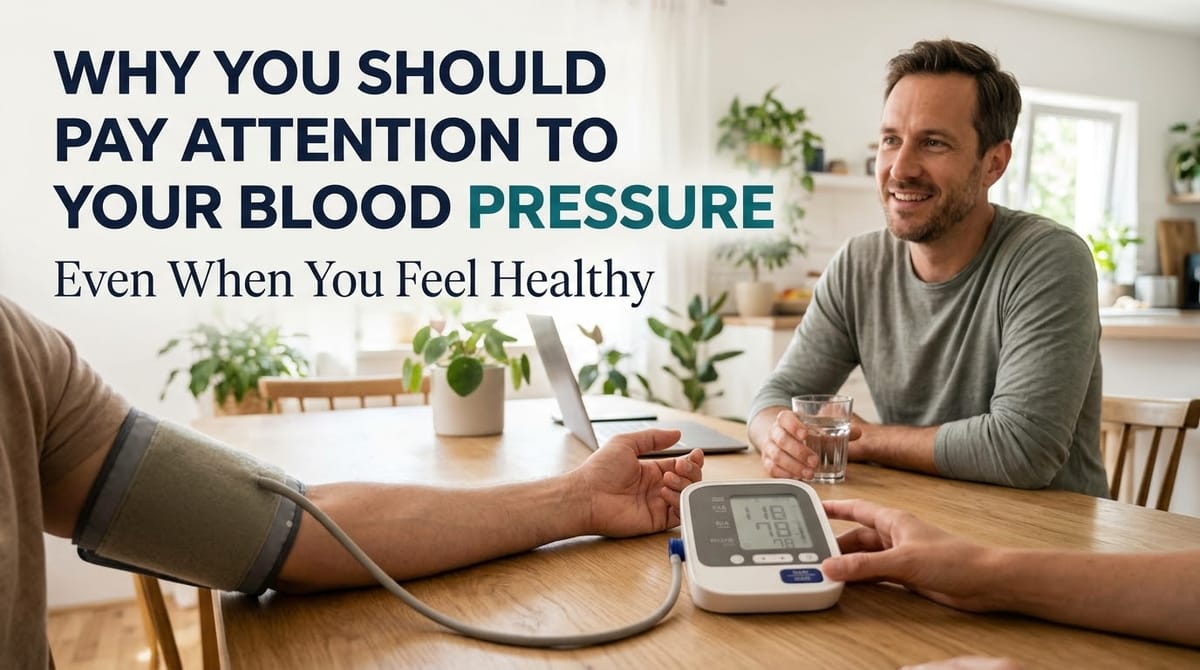
Blood pressure is an important part of your health, yet many people rarely think about it until they experience a health problem or visit a hospital. Some believe that as long as they feel strong, energetic and able to carry out their daily activities, there is no reason to worry about their blood pressure. Unfortunately, this assumption can be misleading because high blood pressure often develops without noticeable symptoms. A person may continue working, exercising, travelling and performing normal activities while their blood pressure remains higher than recommended. This is one reason high blood pressure, also known as hypertension, deserves regular attention. Blood pressure refers to the force of blood pushing against the walls of your arteries as your heart pumps blood around your body. It is usually recorded using two numbers. The first, called systolic pressure, measures the pressure when the heart contracts, while the second, called diastolic pressure, measures the pressure when the heart relaxes between beats. Healthcare professionals use these measurements, together with other information, to assess whether a person's blood pressure is within an appropriate range. Blood pressure naturally changes throughout the day depending on physical activity, emotions, sleep and other factors. However, when it remains consistently high, it can place additional strain on the heart and blood vessels. Over time, uncontrolled high blood pressure can increase the risk of serious health problems, including heart disease, stroke and kidney damage. The concern is that these problems may develop gradually without clear warning signs. This is why waiting until you feel sick before checking your blood pressure is not a reliable approach. Understanding your blood pressure and monitoring it appropriately can help you recognise potential problems and seek medical advice before complications develop.
One important thing to understand is that high blood pressure does not always cause headaches, dizziness or other noticeable symptoms. Although some people associate hypertension with these complaints, many individuals with elevated blood pressure feel completely normal. This makes regular measurement more useful than relying on how you feel. Blood pressure can be checked at hospitals, clinics, pharmacies and other appropriate healthcare facilities. Some people also use home blood pressure monitors, particularly when a healthcare professional recommends regular monitoring. If you use a home monitor, it is important to choose a suitable device and learn how to use it correctly. An automatic monitor with an upper-arm cuff that fits properly is generally recommended for home monitoring. Before taking a reading, sit quietly for about five minutes, keep your feet flat on the floor and support your back and arm. Avoid talking during the measurement, and follow the instructions provided with the device. Exercise, caffeine and smoking shortly before a reading can affect the result, so appropriate preparation matters. One unusually high reading does not automatically mean that you have hypertension because blood pressure can change for several reasons. Healthcare professionals often consider repeated measurements taken under appropriate conditions before making a diagnosis. Similarly, a single normal reading does not guarantee that your blood pressure will always remain normal. The appropriate frequency of checking depends on factors such as age, previous readings, medical history and individual risk. Rather than measuring constantly or becoming anxious about small changes, discuss a suitable monitoring schedule with a qualified healthcare professional. If your readings are repeatedly higher than expected, seek professional assessment instead of relying on assumptions or advice from social media.
Daily habits can influence blood pressure, and understanding these factors can help people make better decisions about their health. One important area is salt consumption. Many people consume salt not only through what they add while cooking but also through processed foods, packaged snacks, seasonings and meals prepared outside the home. Regularly consuming too much sodium can contribute to high blood pressure, particularly in people who are sensitive to its effects. Reducing excessive salt intake and choosing a balanced diet can support healthier blood pressure. Meals containing vegetables, fruits, whole grains and other nutritious foods can form part of a healthy eating pattern. Physical activity is another important factor. Regular exercise can support heart and blood vessel health and help with maintaining an appropriate body weight. This does not mean that everyone must engage in intense workouts. Walking, cycling, swimming and other suitable activities can be beneficial when performed consistently and at an appropriate level. People with existing medical conditions should seek professional guidance when necessary before making major changes to their exercise routines. Maintaining a healthy weight may also help with blood pressure management, although individual needs vary. Smoking is another important concern because it harms blood vessels and increases cardiovascular risk. Excessive alcohol consumption can also contribute to high blood pressure and other health problems. Sleep and stress management deserve attention as well. Poor sleep and ongoing stress can affect general health and may influence blood pressure. However, stress should not automatically be blamed for every elevated reading. A person may have hypertension even when they feel relaxed, and someone who experiences stress does not necessarily have persistently high blood pressure. Healthy habits are valuable, but they do not replace medical assessment or prescribed treatment when hypertension is present.
Another important issue is how people respond after being told that their blood pressure is high. Some individuals become worried and immediately begin taking medicines recommended by friends or relatives. Others ignore the result because they feel healthy, while some start treatment but stop taking their medication once their readings improve. These approaches can create unnecessary risks. Blood pressure medicines should be prescribed and managed by qualified healthcare professionals based on individual needs. A medicine that is suitable for one person may not be appropriate for another because health conditions, other medicines and treatment requirements can differ. If you have been prescribed blood pressure medication, take it as directed and discuss any side effects or concerns with the professional responsible for your care. Do not stop or change the dose simply because you feel better or your blood pressure has improved. Improved readings may indicate that the treatment is working rather than that treatment is no longer necessary. It is also important to be careful with herbal mixtures, supplements and products advertised as permanent cures for hypertension. Claims that a particular drink, leaf or supplement can completely eliminate high blood pressure should not be accepted without reliable evidence. Some products may interact with prescribed medicines or cause unwanted effects. Proper treatment may involve lifestyle changes, medication or a combination of approaches, depending on the person's circumstances. Certain blood pressure readings and symptoms require urgent attention. If you have a very high reading, particularly around 180/120 mmHg or above, follow medical guidance for prompt reassessment and urgent evaluation. If very high blood pressure occurs with chest pain, severe difficulty breathing, sudden weakness, difficulty speaking, changes in vision or other serious symptoms, seek emergency medical care immediately. These symptoms should never be ignored while waiting for home remedies to work.
Paying attention to your blood pressure is a practical way to take responsibility for your health, even when you feel perfectly well. You do not need to become frightened by every reading or check your blood pressure repeatedly without a reason. The goal is to understand your usual readings, recognise persistent changes and follow appropriate medical advice. If you have never checked your blood pressure or have not done so for a long time, consider having it measured by a qualified healthcare professional. If you already have hypertension, follow the monitoring and treatment plan recommended for you. Keep a record of your readings when advised, including the date and time, so that changes can be discussed during medical appointments. Avoid comparing your readings or medicines with those of friends and family members because treatment decisions depend on individual circumstances. Make healthy habits part of your normal routine by eating a balanced diet, reducing excessive salt consumption, staying physically active, avoiding smoking, limiting alcohol and getting adequate sleep. These habits support general health, whether or not you have been diagnosed with high blood pressure. You should also understand that hypertension can affect adults of different ages. Being young, physically active or apparently healthy does not automatically mean that your blood pressure cannot be elevated. Family history and other factors may influence individual risk, making professional advice important. Most importantly, do not wait for headaches, weakness or other symptoms before taking your blood pressure seriously. Many people with high blood pressure experience no obvious warning signs, which is why appropriate screening and monitoring matter. Knowing your blood pressure is a simple but valuable part of preventive healthcare. By checking it when appropriate, following medical guidance and maintaining healthy daily habits, you can make informed decisions that support your heart, blood vessels, kidneys and overall well-being over the long term.
