 Writers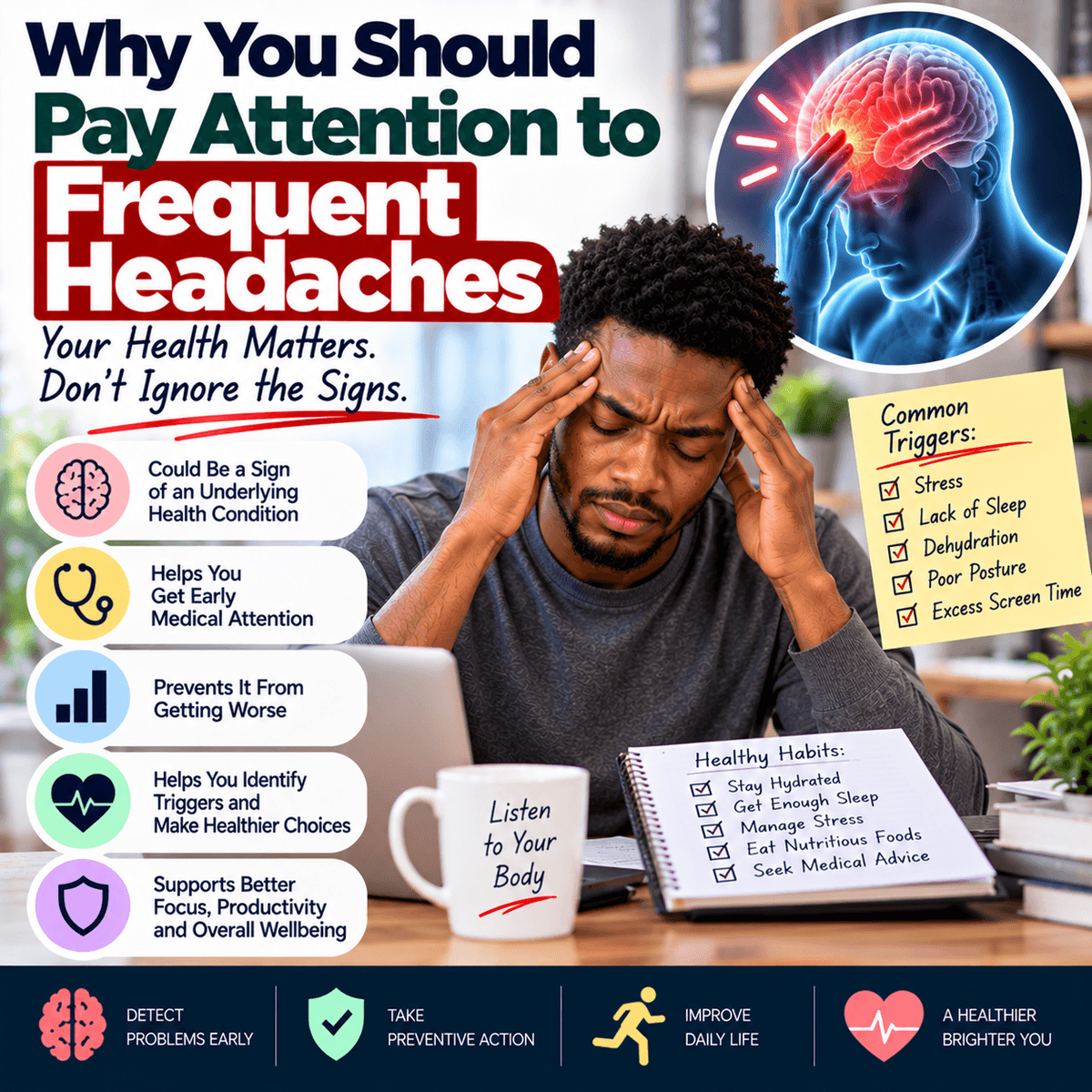
Headaches are common, and almost everyone experiences one from time to time. A headache may appear after a stressful day, lack of sleep, missing meals, dehydration, long periods of screen use or other changes in your normal routine. In many cases, an occasional headache improves with rest, food, fluids or appropriate treatment. However, headaches that occur frequently, become more severe, change from their usual pattern or regularly interfere with your daily activities deserve attention. Some people become so used to having headaches that they begin to see them as a normal part of their lives. They may carry pain medicine everywhere, take it whenever a headache begins and continue with their day without considering why the problem keeps returning. Pain relief may be appropriate in some situations, but repeatedly treating the pain without understanding its cause is not always the best approach. Headaches have many possible causes and can occur in different ways. Some affect one side of the head, while others may feel like pressure around the head. Some can occur with nausea or sensitivity to light or sound. The pattern, duration, severity and other symptoms can provide useful information to a healthcare professional. Having frequent headaches does not automatically mean that you have a serious illness, so there is no reason to assume the worst. At the same time, persistent or changing headaches should not simply be ignored. Paying attention to when they happen and seeking medical advice when appropriate can help you understand what may be contributing to them and how they should be managed.
Daily habits can sometimes play a role in headaches, which is why looking at your routine can be useful. Think about how much sleep you are getting, whether you regularly skip meals, how much fluid you drink and how much time you spend looking at screens without taking breaks. Stress may also contribute to headaches for some people. A demanding job, examination period, financial pressure or difficult personal situation can affect sleep and daily routines, which may also influence how you feel physically. Caffeine is another factor worth considering. Some people regularly consume coffee, tea, energy drinks or other sources of caffeine. Changes in usual caffeine intake can be associated with headaches in some individuals, while consuming large amounts can create other problems. The aim is not to identify one habit and immediately assume that it explains every headache. Instead, look for patterns. A simple headache diary can be helpful when headaches occur regularly. Record the date and time the headache begins, how long it lasts, where you feel the pain, how severe it feels and what you were doing before it started. You can also note your sleep, meals, stress, medicines taken and any other symptoms. After several weeks, you may notice patterns that were difficult to recognise from memory alone. This information can also be useful during a medical appointment. Avoid making major changes to prescribed medicines because you think they may be causing headaches without first discussing the issue with the healthcare professional responsible for your treatment.
Another important issue is the frequent use of pain medicine. When headaches repeatedly interrupt work or other activities, it can become easy to depend on painkillers every time discomfort begins. Medicines can be useful when taken appropriately, but they should be used according to professional advice and the instructions provided with them. Taking too much of some medicines can cause serious side effects. In addition, frequent use of certain headache medicines can itself contribute to a pattern of recurring headaches in some people. This is one reason someone who regularly needs pain medicine should consider discussing the situation with a healthcare professional rather than continually increasing how often the medicine is taken. Avoid using another person's prescription medicine simply because that person also experiences headaches. The cause and appropriate treatment may be different. You should also be careful with herbal mixtures, supplements and products advertised online as permanent cures. A product described as “natural” is not automatically safe, and it may interact with medicines or contain ingredients that are unsuitable for you. Proper assessment can help determine what type of headache you may be experiencing and whether further investigation is necessary. A healthcare professional may ask about your symptoms, medical history, medicines and family history and perform an examination. Not everyone with headaches needs extensive tests. The decision depends on the person's symptoms and circumstances. This is another reason self-diagnosis through internet searches cannot replace individual medical assessment.
Although many headaches are not emergencies, certain warning signs require prompt medical attention. A sudden and extremely severe headache that reaches a high level of pain very quickly should be treated seriously, particularly if it is unlike headaches you have experienced before. A headache occurring with weakness or numbness on one side of the body, difficulty speaking, confusion, fainting, seizures, severe problems with vision or difficulty walking can also require urgent medical care. A severe headache after a significant head injury should not simply be treated at home without considering medical assessment. Headache with high fever and a very stiff neck, or with repeated vomiting and serious illness, can also require urgent attention. During pregnancy or after childbirth, a new or severe headache may need prompt medical evaluation, especially when accompanied by other concerning symptoms. These examples do not cover every possible emergency. If a headache is severe, rapidly worsening or accompanied by symptoms that make you seriously concerned, seek urgent medical help. For headaches that are not emergencies but occur repeatedly, arrange a routine medical assessment rather than waiting until they become unbearable. You should also seek advice when your usual headache pattern changes significantly, headaches repeatedly wake you from sleep, they become progressively worse, or they begin to interfere with work, school, sleep or normal daily activities. Early assessment does not mean that a serious condition will be found. It simply gives a healthcare professional an opportunity to understand the problem properly.
Paying attention to frequent headaches is about recognising changes in your health without becoming frightened by every episode of pain. Occasional headaches can happen for many reasons, and a single mild headache may not require medical attention. The concern increases when headaches become frequent, severe, unusual or difficult to manage. Start by observing your pattern and looking after basic daily habits such as regular meals, adequate fluid intake, appropriate sleep and reasonable breaks during long periods of screen use or concentrated work. If stress appears to contribute to your headaches, healthy ways of managing stress may also be useful. Keep a simple record if the headaches continue, because details about timing, symptoms and possible triggers can help during a medical consultation. Do not rely on repeated self-medication as your only response, and avoid assuming that another person's treatment will work for you. Most importantly, know the difference between a recurring problem that needs a routine appointment and severe symptoms that require urgent care. Your body can change over time, so a headache pattern that is new or very different from what you normally experience deserves attention. Seeking professional advice allows you to receive guidance based on your particular symptoms rather than guesses from social media or general information online. Headaches may be common, but living with frequent pain should not automatically become something you accept as normal. Paying attention to the pattern, using medicines responsibly and seeking qualified medical care when necessary are practical steps you can take to protect your health.
