Writers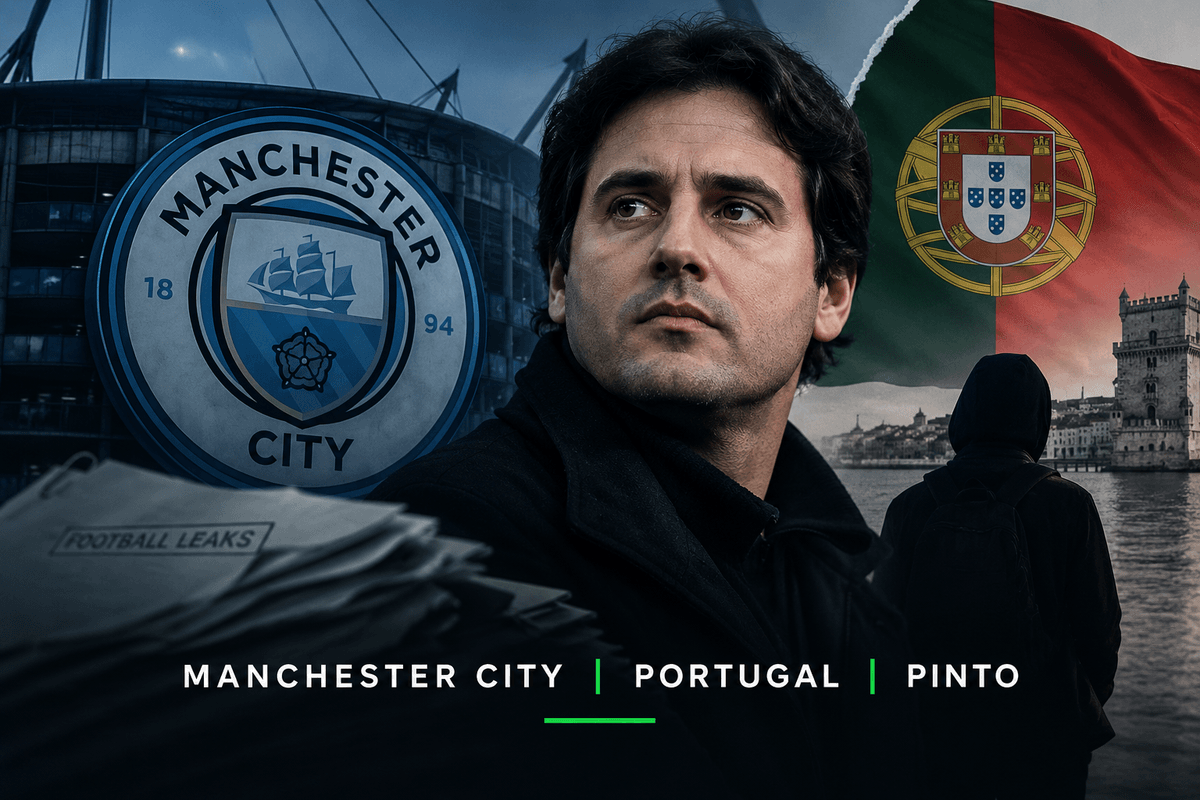
Manchester City Appeal and Rui Pinto Crisis: Portugal Whistleblower at Centre of Football Storm
Manchester City’s long-running financial case has entered another dramatic phase, with the Premier League champions appealing an independent commission’s guilty verdict at the same time that Rui Pinto, the Portuguese whistleblower whose Football Leaks revelations helped trigger the investigation, is fighting to retain his witness protection.
The developments have turned a case that has dominated English football for years into an increasingly international story involving Manchester, Portugal and one of the most controversial figures in modern football.
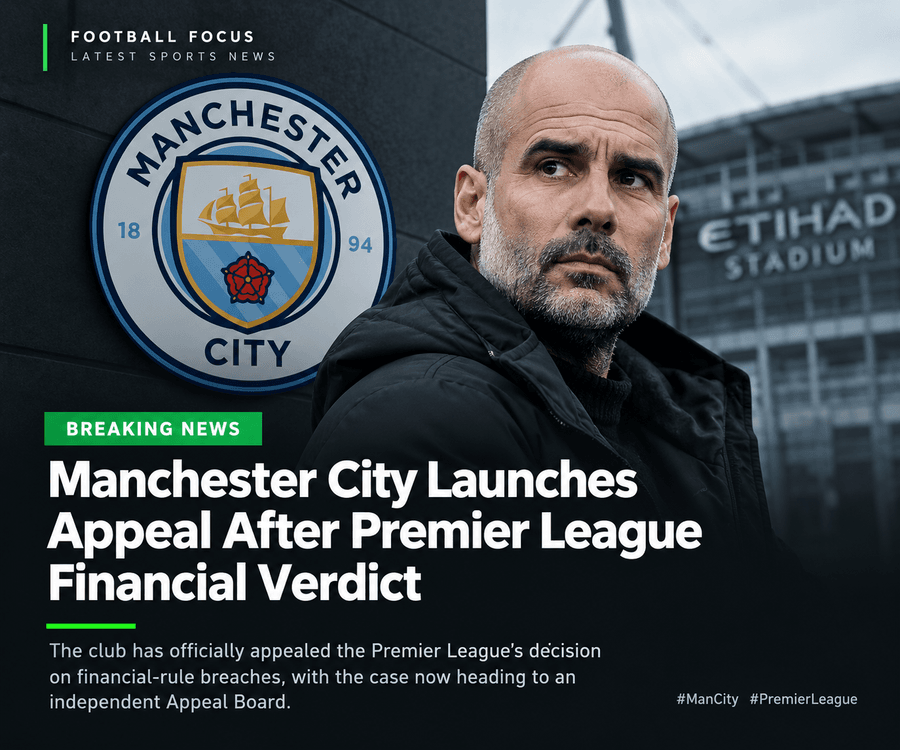
Manchester City officially lodged its comprehensive appeal against the Premier League commission’s findings on October 1, challenging a verdict that found the club guilty of serious financial-rule breaches covering the period from 2009 to 2018. The club maintains that it is innocent and says the commission’s opinion contains significant errors of law, principle and fact.
At almost the same time, Portugal’s decision to end Rui Pinto’s special witness-protection programme has created a second major storyline around the same case.
Pinto says he fears for his safety and has announced plans to leave Portugal for an undisclosed location. His lawyers are challenging the decision and arguing that removing his protection at this stage leaves him particularly vulnerable. Portuguese authorities, however, based their decision on a new risk assessment that reportedly classified his level of risk as low, as well as concerns about his compliance with the protection programme.
The timing of the two developments has attracted enormous attention.
How the Manchester City case reached this point
The Premier League investigation into Manchester City has been running for years.
The case centred on allegations concerning the club’s financial reporting, commercial arrangements and cooperation with the league’s investigation. After a lengthy independent process, an independent commission published its core decision on September 29, finding Manchester City guilty of the charges relating to serious financial breaches and of most of the charges concerning cooperation with the investigation.
According to the Premier League's published findings, the commission concluded that Manchester City had used commercial arrangements that did not accurately represent the true nature of certain agreements.
The Premier League said the arrangements artificially increased the club's reported revenue and reduced its costs by more than £900 million over the period under investigation. Reuters also reported that the commission found the club guilty of using what it described as sham commercial contracts as part of the alleged financial arrangements.
Manchester City strongly rejects those conclusions.
The club has repeatedly maintained that it has not committed the alleged financial wrongdoing and says it possesses what it describes as a comprehensive body of evidence supporting its position.
Following the commission's verdict, City announced that it would appeal, and the club formally lodged that appeal before the deadline.
Manchester City now takes the case to appeal
The appeal is potentially the next defining stage of the dispute.
Manchester City says the independent commission's opinion contains clear material errors and that the findings are unsafe. The club has therefore asked the appeal process to examine the commission's conclusions.
The appeal will be considered through the Premier League's independent judicial process rather than being decided by Manchester City itself or by the Premier League's executive leadership.
The Premier League has said that the issue of sanctions will be dealt with separately. In other words, the guilty findings and the eventual punishment are separate stages of the process.
That distinction is important because the immediate question is not simply what punishment Manchester City will receive. The appeal could first affect whether the commission's findings stand, are changed or are otherwise dealt with through the appeal process.
Potential sporting consequences have been widely discussed in reporting around the case, but the final sanction has not yet been determined.
For Manchester City, therefore, the appeal is much more than a procedural step. It is the club's opportunity to challenge findings that could have major consequences for its reputation, finances and competitive history.
Then comes Rui Pinto
While Manchester City prepares for its legal battle, attention has also shifted dramatically to Portugal.
Rui Pinto is the founder of Football Leaks, the platform that became internationally known for publishing confidential football documents.
His disclosures included material involving major European football organisations and clubs. The information subsequently became relevant to investigations into football finances, including the investigation into Manchester City.
Pinto has therefore become an important figure in the story behind the Manchester City investigation.
However, his own history is complicated.
Pinto has faced criminal proceedings in Portugal and was convicted in the Football Leaks case in 2023, receiving a suspended prison sentence. He has also faced proceedings relating to unauthorised access to computer systems and other offences.
At the same time, he cooperated with Portuguese authorities and entered a special witness-protection programme in 2020.
That protection has now become the centre of a new dispute.
Portugal moves to end Pinto's protection
Portuguese authorities have decided that Pinto's special security programme will end on October 10, 2026.
The decision followed meetings earlier in 2026 and a risk reassessment by Portugal's public security authorities. According to documents cited by Portuguese media, the authorities concluded that Pinto presented a low level of risk and also referred to what they described as a lack of commitment to the conditions of the protection programme.
Pinto's lawyers strongly disagree with the decision.
They say Pinto was not given an adequate opportunity to be heard before the decision was made. They have filed an administrative appeal and asked the Portuguese Ministry of Justice to reconsider the decision, disclose the material used in the new risk assessment and maintain his protection.
The legal team has described the situation as critical.
They argue that ending the programme would mean Pinto losing his protected and confidential accommodation and potentially losing continued police protection.
The lawyers also point to an assault Pinto suffered in Lisbon in April and argue that threats against him remain a serious concern. These are claims made by Pinto and his lawyers; the Portuguese authorities' assessment has reached a different conclusion regarding the level of risk.
Pinto says he fears for his life
The situation escalated further when Pinto publicly announced that he intends to leave Portugal.
According to reports, Pinto says he has received multiple death threats and believes he faces a serious risk to his safety.
He has said he plans to relocate to an undisclosed location for an indefinite period.
Pinto has also launched a fundraising campaign to help with his relocation and security.
His public statements have placed renewed international attention on a figure who has remained largely out of public view for years because of his security arrangements.
The development is particularly striking because Pinto's protection is being withdrawn just days after the Premier League published its verdict in the Manchester City case.
That timing has generated questions and debate, although there is no established evidence that the two decisions were coordinated.
Why the timing matters
The timing is one of the most remarkable aspects of the story.
On September 29, the Premier League published its independent commission's findings against Manchester City.
On October 1, Manchester City formally lodged its appeal.
Around the same period, Pinto was notified that his witness-protection arrangements would end on October 10.
Within days, the Manchester City case had therefore moved simultaneously in two directions.
In England, Manchester City was beginning its legal challenge against the commission's findings.
In Portugal, the individual whose Football Leaks revelations helped trigger investigations into the club was preparing his own legal challenge against the withdrawal of his protection.
The two processes are legally separate, but they are connected through the history of the evidence and investigation.
The evidence question
One of the most important issues surrounding the Manchester City case is the question of evidence.
The Premier League's rules governing disciplinary investigations do not operate exactly like a traditional criminal court process.
The league has previously stated that its investigations are not bound by the same judicial rules governing admissibility of evidence in ordinary court proceedings. Instead, the rules allow facts relating to a breach to be established through reliable means.
That has made the role of Football Leaks and the material associated with Pinto a major point of public discussion.
Manchester City, however, has not accepted the conclusions reached by the independent commission.
The club continues to argue that it is innocent and that the commission made significant mistakes in its reasoning.
The appeal process will therefore be closely watched because it could provide another examination of the arguments, evidence and conclusions surrounding the case.
What could happen next?
There are now several major developments for football fans to watch.
First is Manchester City's appeal.
The appeal process could determine whether the commission's findings remain intact or are altered. Until that process is completed, the full consequences of the case remain uncertain.
Second is the separate sanction process.
The Premier League has said that the issue of punishment will be dealt with separately from the findings themselves. That means the football world is still waiting for a decision on what consequences, if any, will follow from the proven breaches.
Third is Rui Pinto's legal challenge.
His lawyers are seeking to prevent the termination of his protection programme and have asked Portuguese authorities to reconsider the decision.
If the appeal succeeds, Pinto's protection could continue while the wider legal situation develops. If it does not, Pinto has indicated that he intends to leave Portugal and remain in an undisclosed location.
A story bigger than Manchester City
The Manchester City financial case is no longer simply a dispute between one football club and the Premier League.
It has developed into a wider story about financial regulation, football governance, evidence, whistleblowing and the responsibilities of authorities towards people who cooperate with investigations.
Manchester City insists that it has been wrongly accused and is now using the appeal process to challenge the commission's conclusions.
Rui Pinto, meanwhile, remains a controversial figure whose methods have attracted criticism as well as attention for the information he exposed.
His supporters point to the importance of his disclosures, while his legal history means that his story cannot simply be reduced to the image of a traditional whistleblower.
That complexity is part of what makes the current situation so significant.
Football waits for the next chapter
For Manchester City, the immediate priority is clear: challenge the independent commission's findings and attempt to overturn or modify the verdict.
For Rui Pinto, the immediate priority is different: challenge the decision to terminate his witness protection before October 10.
Both stories are now moving through formal legal or administrative processes.
Manchester City's appeal could determine the future direction of one of the biggest financial cases in Premier League history, while the dispute over Pinto's protection has raised questions in Portugal about how authorities assess risk and protect people who have cooperated with investigations.
For football fans, the next few weeks could therefore bring significant developments on both sides of the story.
Manchester City has made its position clear: the club denies the accusations and intends to fight the verdict through the available appeal process.
Rui Pinto's lawyers have likewise made their position clear: they want Portugal to reconsider the withdrawal of his protection and maintain security measures while the legal challenge continues.
What happens next will determine whether the Manchester City verdict becomes the final word on the club's financial case or merely another chapter in a dispute that has already lasted for years.
And in Portugal, the coming days will determine whether Rui Pinto remains under state protection or begins a new and uncertain chapter outside the security arrangements that have protected him since 2020.
For now, one thing is certain: the Manchester City financial saga is far from over.