Writers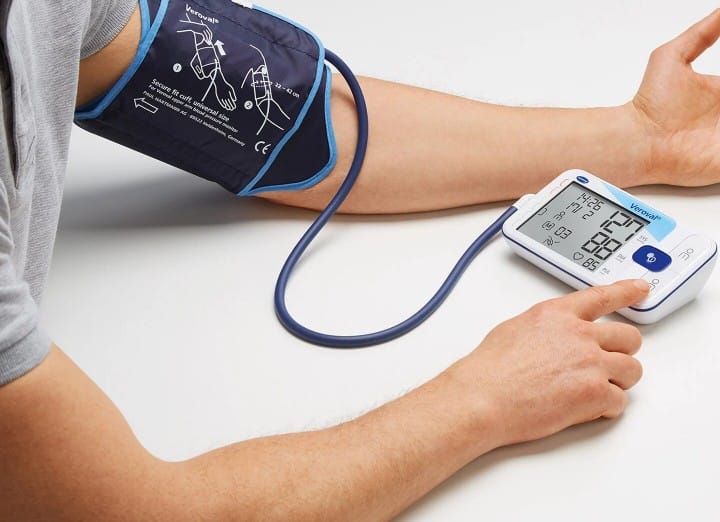
Why Young People Should Take High Blood Pressure Seriously
When you hear the words “high blood pressure,” what comes to mind?
Perhaps an older person taking medication every morning or someone being advised to reduce salt. Many young people don't immediately think of themselves when hypertension is mentioned. There is a common belief that high blood pressure is mainly a problem for older adults.
But that belief can be dangerous.
High blood pressure, also known as hypertension, can affect adults of different ages, and it often develops without obvious warning signs. The World Health Organization (WHO) describes hypertension as a major cause of premature death and a significant risk factor for diseases affecting the heart, brain and kidneys.
Nigeria's Hypertension Problem
Hypertension is not a distant health issue. It is already a major public-health concern in Nigeria.
WHO estimates that about one in three adults in Nigeria is hypertensive. Its 2025 country profile estimates that approximately 22 million Nigerian adults aged 30–79 years have hypertension, with about 19.1 million of them having uncontrolled blood pressure.
These figures are a reminder that high blood pressure deserves attention—not only from healthcare professionals, but from individuals and families as well.
What Exactly Is High Blood Pressure?
Blood pressure is the force of blood pushing against the walls of the arteries as the heart pumps blood around the body.
It is usually written as two numbers, such as 120/80 mmHg.
The first number is the systolic pressure, which represents the pressure when the heart contracts. The second is the diastolic pressure, which represents the pressure when the heart relaxes between beats.
Different medical guidelines use slightly different thresholds, but the important point is that repeatedly elevated readings should not be ignored. The CDC, for example, defines high blood pressure as consistently at or above 130/80 mmHg.
A single high reading does not necessarily mean that someone has hypertension. A healthcare professional may need to take repeated measurements and consider the person's overall health.
Why Can Young People Develop High Blood Pressure?
Age is only one factor that influences blood pressure.
Other factors can increase the risk, including:
- Family history of hypertension
- Unhealthy diet
- Excessive salt intake
- Physical inactivity
- Overweight or obesity
- Smoking or tobacco use
- Excessive alcohol consumption
- Certain medical conditions and medications
The CDC notes that physical inactivity, unhealthy eating, excessive alcohol use and tobacco use can increase the risk of high blood pressure. Family history can also play an important role.
For young people, everyday lifestyle can therefore make a difference. Spending long periods sitting, eating mostly highly processed foods and getting inadequate sleep may contribute to an unhealthy lifestyle.
However, it is important not to blame every case of hypertension on lifestyle. Some people develop high blood pressure because of genetics, underlying medical conditions or other factors.
The Problem: You May Feel Completely Fine
One of the most dangerous things about hypertension is that it often has no obvious symptoms.
Someone can have high blood pressure and continue going to school, working, exercising and socializing without feeling sick.
This is why hypertension is sometimes called a “silent killer.”
The CDC states that high blood pressure typically has no signs or symptoms, and measuring blood pressure is the only reliable way to know whether it is too high.
This means that waiting until you feel sick before checking your blood pressure is not a good strategy.
What Happens If High Blood Pressure Is Ignored?
High blood pressure places extra stress on blood vessels and important organs over time.
If it remains uncontrolled, it can increase the risk of:
Heart disease: High blood pressure can contribute to damage affecting the heart and blood vessels.
Stroke: Hypertension is an important risk factor for stroke.
Kidney disease: The kidneys contain many small blood vessels and can be damaged by prolonged high blood pressure.
Problems affecting the brain and eyes: Long-term uncontrolled hypertension can also damage blood vessels supplying these organs.
The frightening part is that this damage can develop gradually while a person feels completely normal.
How Can Young People Protect Themselves?
The good news is that there are practical steps people can take to reduce their risk and help maintain healthy blood pressure.
1. Check Your Blood Pressure
Don't assume that being young means your blood pressure must be normal.
Having your blood pressure checked is simple and can provide useful information about your cardiovascular health.
If you repeatedly get high readings, speak with a healthcare professional rather than trying to diagnose yourself.
2. Be Physically Active
Regular physical activity can support heart health and help maintain a healthy weight.
You don't necessarily need an expensive gym membership. Walking, dancing, cycling, sports and other forms of regular movement can contribute to an active lifestyle.
3. Pay Attention to Your Diet
A diet containing excessive sodium can increase blood pressure. Eating a balanced diet with vegetables, fruits, whole grains and other nutritious foods can support overall health.
This doesn't mean you can never eat your favourite foods. The goal is to make healthier choices more often and avoid excessive salt and heavily processed foods.
4. Avoid Smoking and Tobacco
Smoking is harmful to the cardiovascular system and increases the risk of heart disease and stroke. Avoiding tobacco is an important part of protecting your heart and blood vessels.
5. Get Enough Sleep
Sleep is not simply a period when the body “switches off.” It plays an important role in overall health.
Regularly getting inadequate sleep is associated with an increased risk of high blood pressure and other cardiovascular problems.
6. Take Stress Seriously
Stress is part of life, especially for students and young workers dealing with school, finances, relationships and other responsibilities.
Long-term stress can affect health, and finding healthy ways to manage stress is important. Exercise, adequate sleep, social support, relaxation techniques and speaking with someone you trust can help.
Common Myth: “I'm Too Young to Have Hypertension”
This is one of the biggest misconceptions.
Being young does not make you completely immune to health problems.
That doesn't mean every young person should be afraid of hypertension. Instead, it means that young people should understand their risk factors, build healthy habits and pay attention to their health.
When Should You Seek Medical Attention?
If you repeatedly record unusually high blood-pressure readings, speak with a qualified healthcare professional for proper assessment.
Very high blood pressure accompanied by symptoms such as chest pain, difficulty breathing, weakness or numbness, confusion, vision problems or severe headache can require urgent medical attention.
Do not rely on social media advice or self-medication to manage suspected hypertension.
Your Age Is Not a Health Shield
High blood pressure is not simply an “old person's disease.” It is a health condition that deserves awareness across adulthood.
For young people, the goal should not be to live in fear of hypertension. The goal is to know your risk, build healthy habits and pay attention to your health early.
You may feel perfectly healthy today, and that's exactly why checking your blood pressure from time to time can be valuable.
Your future heart, brain and kidneys will benefit from the choices you make today.
Don't wait until you feel sick before you start caring about your blood pressure. Know your numbers. Know your risk. Take your health seriously.
Sources
- World Health Organization (WHO), Global Report on Hypertension 2025.
- World Health Organization, Hypertension Fact Sheet.
- WHO Nigeria, information on hypertension in Nigeria.
- Centers for Disease Control and Prevention (CDC), About High Blood Pressure.
- CDC, High Blood Pressure Risk Factors.