 Writers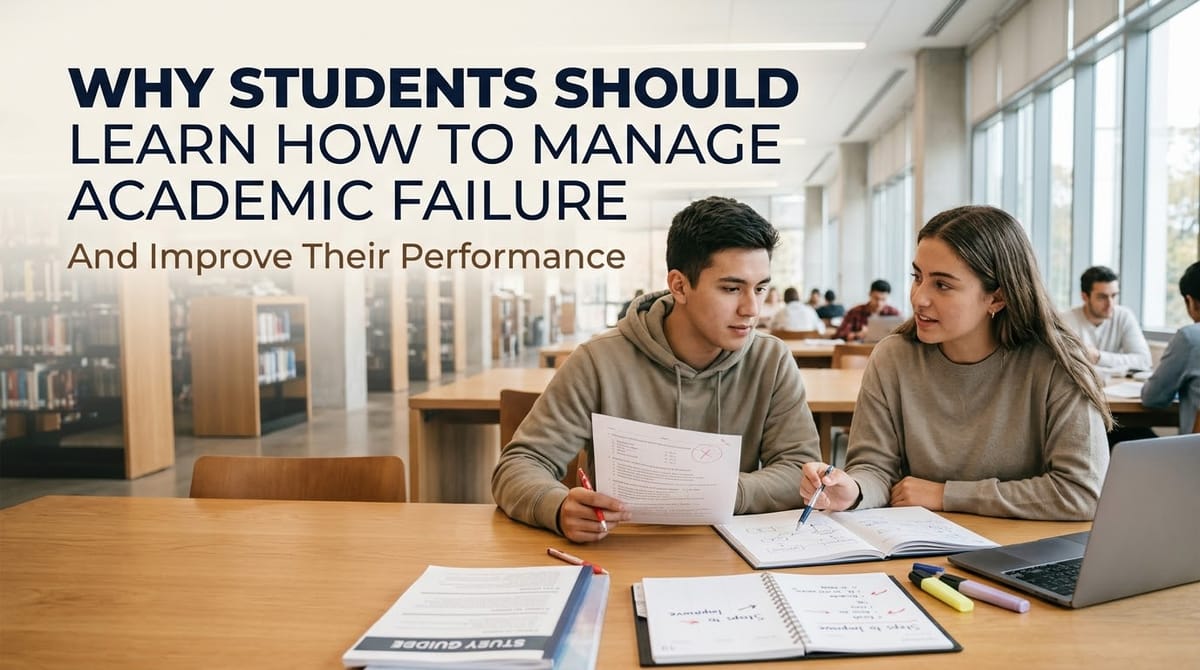
Academic failure is an experience that many students find difficult to accept, especially when they have invested time, effort and resources in their education. Receiving a poor examination result, failing a course or performing below expectations can create feelings of disappointment, embarrassment, frustration and uncertainty about the future. Some students begin to question their intelligence or believe they are not capable of succeeding academically. Others compare themselves with classmates who performed better and gradually lose confidence in their abilities. However, one poor academic result does not necessarily determine a student's overall ability or future performance. Students learn at different rates, face different challenges and respond differently to teaching methods and examination conditions. A student may perform poorly because of inadequate preparation, difficulty understanding the subject, ineffective study methods, personal challenges, health problems or other circumstances. Understanding the reason behind the result is more useful than simply blaming yourself or assuming that improvement is impossible. Academic failure should be taken seriously because poor performance can affect grades, progression and future opportunities, but it should also be approached as a problem that can be examined and addressed. The first step is to acknowledge the result without allowing it to define your entire academic experience. Feeling disappointed is understandable, particularly when the result does not reflect what you hoped to achieve. However, remaining focused only on disappointment may prevent you from identifying practical ways to improve. Instead of asking whether you are intelligent enough to succeed, consider what contributed to the result and what changes may help you perform better. Education involves learning, making mistakes, receiving feedback and developing understanding over time. Students who learn how to respond constructively to academic setbacks are better prepared to handle challenges throughout their education and beyond.
One of the most important things students should do after receiving a poor academic result is to examine what went wrong. This requires more than simply concluding that the examination was difficult or that the lecturer was too strict. Although external factors can sometimes affect performance, students should also assess the areas within their control. Begin by reviewing how you prepared for the assessment. Did you attend lectures regularly and pay attention during explanations? Did you understand the course materials, or did you depend mainly on memorising information shortly before the examination? Were you able to complete assignments independently, or did you frequently copy answers without understanding the process? Did you practise solving questions similar to those expected in the examination? These questions can help identify weaknesses in preparation. It is also useful to review the examination itself where this is permitted. Some students understand the subject but lose marks because they misunderstand questions, fail to follow instructions, manage their time poorly or provide incomplete answers. Others may have difficulty explaining their ideas clearly even when they know the correct information. If feedback is available, study it carefully instead of focusing only on the final score. A lecturer's comments may reveal repeated errors, missing explanations or areas where greater understanding is needed. Students should also consider whether personal circumstances affected their performance. Financial pressure, illness, family responsibilities, emotional difficulties and other challenges can interfere with academic work. Recognising these factors does not mean avoiding responsibility. It means understanding the situation accurately so that suitable support or adjustments can be considered. Where necessary, students should speak with lecturers, academic advisers or appropriate student support services. The purpose of reviewing failure is not to find someone to blame but to identify the reasons for the result and develop a more effective approach to future academic work.
After identifying possible reasons for poor performance, students need a practical improvement plan. Simply promising to study harder is not enough if the same ineffective methods are repeated. A better approach is to identify specific actions that address the weaknesses discovered during the review. For example, if a student struggled because lectures were frequently missed, improving attendance should become a priority. If the problem was difficulty understanding calculations, regular practice and seeking clarification may be more useful than repeatedly reading worked examples. If the student struggled with remembering important concepts, reviewing material at intervals and testing recall may help strengthen understanding. The improvement plan should also include realistic goals. A student who failed several assessments may feel pressured to achieve the highest possible grade immediately, but progress is often easier to manage when it is divided into smaller targets. These may include completing weekly reading assignments, solving a certain number of practice questions, attending academic support sessions or reviewing each lecture before the next class. Students should monitor whether these changes are actually helping. If a new study method produces little improvement, it may need to be adjusted. Asking for academic assistance is another important part of the process. Some students avoid approaching lecturers because they feel embarrassed about their results, but a lecturer may be able to explain difficult concepts, recommend suitable materials or clarify common mistakes. Study groups can also provide useful support when members are committed to learning rather than simply sharing answers. However, students should not depend entirely on other people to complete their academic responsibilities. Assistance should help them develop the ability to understand and solve problems independently. Improvement requires consistent effort, but that effort becomes more useful when it is directed towards clearly identified needs.
Managing the emotional effects of academic failure is equally important because disappointment can affect motivation and confidence. Some students become so concerned about what classmates, friends or family members will think that they avoid discussing their results or seeking help. Others withdraw from academic activities because they fear experiencing another failure. These reactions can make improvement more difficult. It is important to recognise that a poor result is information about performance in a particular assessment, not a complete judgement of a person's intelligence, character or potential. At the same time, students should avoid pretending that the result does not matter. A balanced response involves accepting the disappointment while taking practical steps to improve. Comparing yourself constantly with classmates may increase pressure without providing useful information. Students have different strengths, learning needs and personal circumstances, so another person's result may not explain what you need to do differently. Focus instead on your previous performance, the feedback you have received and the progress you are making. Support from trusted friends, family members, lecturers or counsellors can also be valuable. Discussing academic difficulties with someone who can listen and provide constructive guidance may help reduce feelings of isolation. Students should also pay attention to their general well-being. Poor sleep, excessive stress and neglecting basic daily needs can make concentration and learning more difficult. Maintaining a reasonable routine, getting adequate rest and allowing time for recovery are important parts of sustainable academic improvement. If disappointment becomes overwhelming or begins to affect everyday functioning significantly, seeking appropriate mental health support is a sensible step. Academic success is important, but students should not measure their entire personal worth by grades or examination results.
Learning how to respond to academic failure can provide lessons that remain valuable long after graduation. In professional life, people may experience unsuccessful job applications, disappointing project outcomes, business setbacks or difficulties learning new skills. The ability to examine what happened, accept useful feedback and make improvements is important in many situations. Students can begin developing this ability by treating poor academic performance as a reason for careful reflection and action rather than permanent discouragement. If you receive an unsatisfactory result, first confirm that you understand the assessment and any available feedback. Identify the areas where your knowledge or preparation was insufficient, and seek clarification where necessary. Develop a realistic study plan that addresses those weaknesses, and follow it consistently. Make use of academic resources provided by your institution, including libraries, lecturers, tutorials and student support services. Monitor your progress through assignments, practice questions and other opportunities to demonstrate understanding. Celebrate genuine improvement without expecting every result to be perfect. A student who previously struggled with a topic but can now explain it clearly has made meaningful progress, even if further work is still needed. It is also important to recognise that improvement may take time. Some academic difficulties cannot be resolved through one week of additional reading, especially when the student needs to strengthen knowledge from earlier courses. Patience and consistency are therefore necessary. Most importantly, avoid repeating the same habits while expecting completely different outcomes. Academic setbacks can be difficult, but they can also reveal weaknesses that might otherwise remain unnoticed. When students respond by seeking feedback, improving their methods and maintaining a willingness to learn, they give themselves a better opportunity to succeed in future assessments. The goal is not to avoid every mistake throughout education but to develop the knowledge, discipline and confidence needed to learn from mistakes and improve performance over time.
