 Writers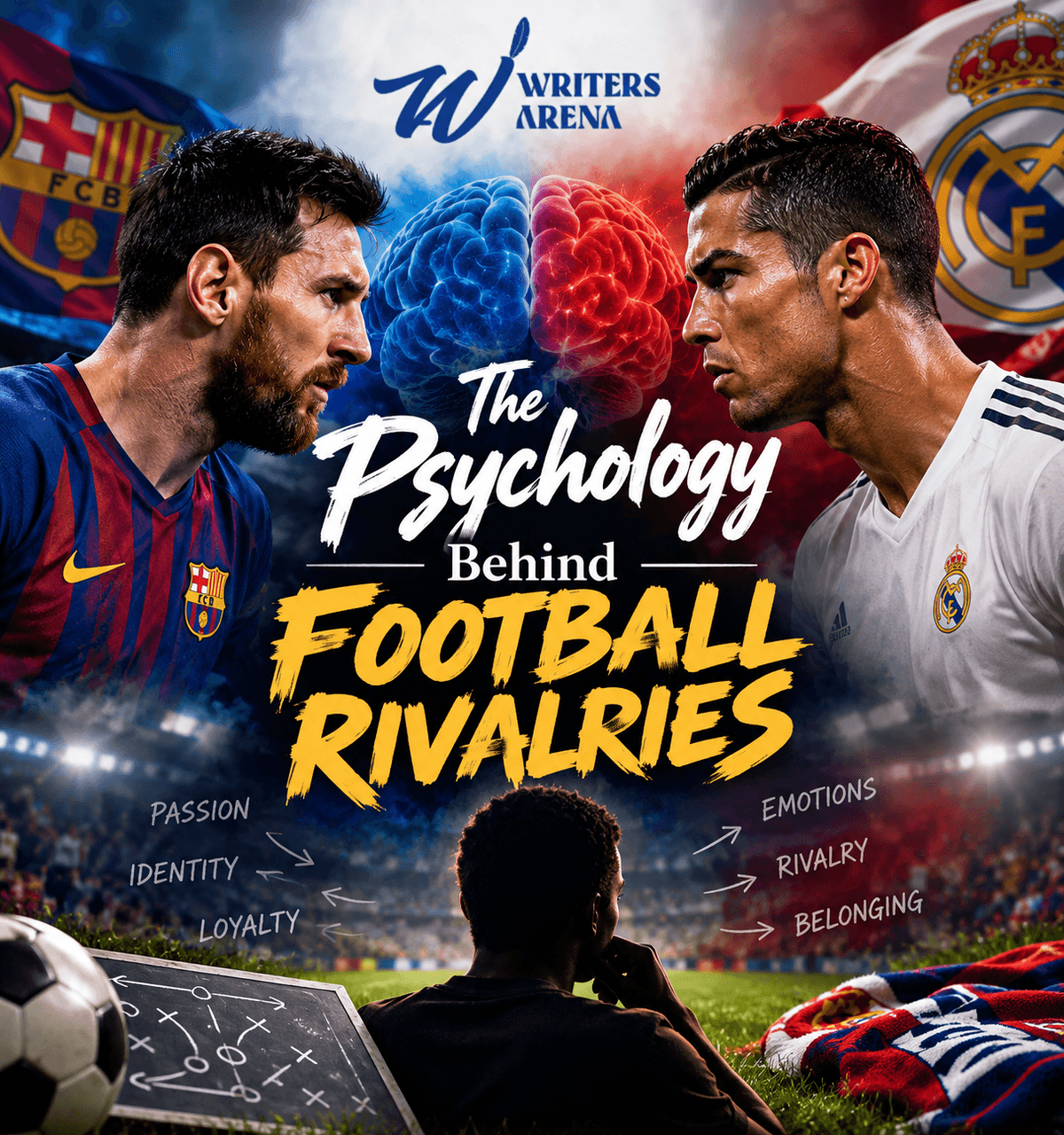
Football is often described as the beautiful game, but anyone who has experienced a major rivalry knows that it is more than ninety minutes on a pitch. When two rival teams meet, the atmosphere can become intense, emotional, and deeply personal. Supporters may experience excitement, anxiety, pride, disappointment, and even a powerful sense of belonging. Behind these reactions lies something fascinating: the psychology of football rivalry.
At the heart of every strong rivalry is identity. For many supporters, a football club is not simply a team they watch; it becomes part of how they see themselves. A club may represent a family tradition, a city, a community, or memories from childhood. Supporting the same team as one's parents, friends, or community can create a strong emotional connection. As a result, when the team succeeds, supporters may feel personally proud, while a defeat can feel surprisingly personal.
Another important factor is belonging. Human beings naturally seek groups in which they feel accepted and connected. Football provides a powerful environment for this. Thousands of people who may have completely different backgrounds can gather together because they share one identity. They sing the same songs, wear the same colours, celebrate the same victories, and experience disappointment together. A rivalry strengthens this group identity by creating a clear distinction between "us" and "them."
This division can make emotions considerably stronger. In ordinary matches, supporters may simply hope their team wins. In a rivalry, however, the result can carry additional meaning. Defeating a traditional rival may provide a feeling of pride and achievement that extends beyond the three points or the competition itself. Losing to that rival, on the other hand, can produce frustration because supporters may feel that their group has been challenged.
Emotion is therefore one of the most powerful forces behind football rivalries. The anticipation before a major match can create excitement and nervousness. During the game, every goal, missed opportunity, controversial decision, or dramatic moment can produce a sudden emotional reaction. The brain responds to these events as meaningful experiences, which helps explain why supporters can remember important matches for many years.
Rivalries are also influenced by memory and history. Previous encounters become part of a club's story. A famous victory may be remembered for generations, while a painful defeat can become part of the rivalry's narrative. Over time, these memories create expectations before future matches. Supporters may enter a game already thinking about what happened years ago, making the current encounter feel connected to a much larger story.
There is also a psychological element of competition. People naturally compare themselves and their groups with others. A rivalry provides a continuous comparison: Who is stronger? Who has the better history? Who will win this time? This competitive environment can increase attention and make supporters more emotionally invested in the outcome.
However, intense rivalry does not have to mean hostility. Healthy competition can create excitement, encourage loyalty, strengthen communities, and make football more memorable. The important distinction is between passionate support and behaviour that becomes harmful or disrespectful.
Ultimately, football rivalries demonstrate that sport is not only about physical ability and tactics. It is also about the human mind. Passion, identity, loyalty, emotion, competition, and belonging all contribute to the extraordinary intensity surrounding certain matches.
That is why a football rivalry can feel much bigger than a game. The players may be competing for a result on the pitch, but millions of supporters are experiencing something deeper: a connection to their identity, their memories, their community, and the emotions that make football such a powerful part of human life.