 Writers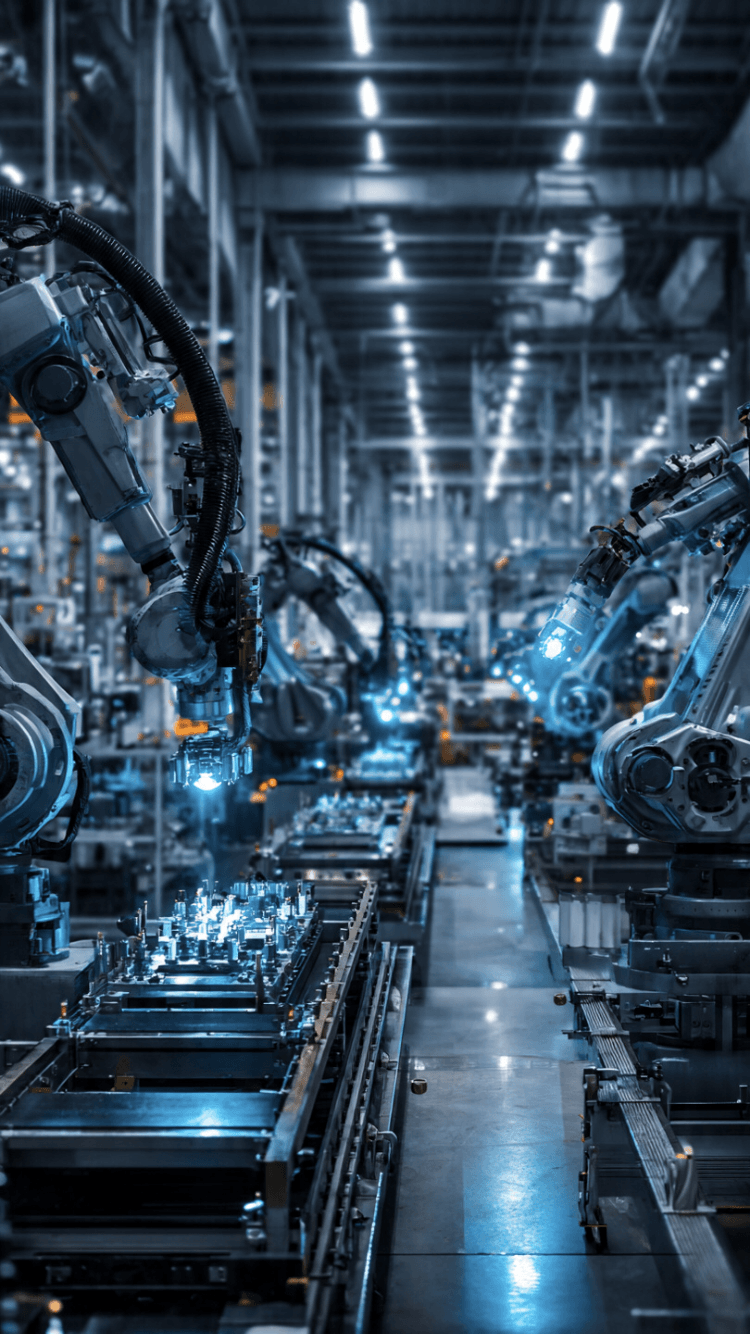
Technology has become one of the most powerful forces shaping modern society. From smartphones and computers to artificial intelligence and smart homes, technological innovations are changing the way people work, communicate, learn, and entertain themselves. What once seemed like science fiction is now becoming part of everyday life. As technology continues to develop, intelligent devices are becoming more capable, connected, and useful.
One of the most important technological developments in recent years is artificial intelligence, commonly known as AI. Artificial intelligence allows computers and machines to perform tasks that normally require human intelligence. These tasks can include understanding language, recognizing images, solving problems, making predictions, and learning from information. AI is already being used in many areas, including healthcare, education, transportation, banking, and entertainment.
Smartphones are another example of how technology has transformed everyday life. A modern smartphone is much more than a device for making calls. It can function as a camera, television, navigation system, gaming console, payment device, and personal assistant. People can use their phones to attend virtual meetings, manage their finances, study online, order food, communicate with friends, and access information from almost anywhere.
Another exciting development is the growth of smart homes. Smart home technology connects household devices to the internet, allowing people to control them remotely or automatically. Smart lights, thermostats, security cameras, doorbells, and appliances can communicate with one another and respond to commands. For example, a homeowner can use a smartphone to turn off the lights after leaving the house or receive an alert when a security camera detects movement.
The Internet of Things, often called IoT, plays an important role in this connected environment. IoT refers to physical devices that can collect and exchange data through the internet. These devices can range from fitness trackers and smart watches to industrial machines and connected vehicles. As more objects become connected, enormous amounts of data can be collected and analyzed to improve efficiency and decision-making.
Technology is also transforming the workplace. Remote work has become much easier because of video conferencing, cloud storage, collaboration platforms, and other digital tools. Employees can work with colleagues located in different cities or countries without being in the same physical office. Businesses can also use automation to perform repetitive tasks, allowing workers to focus on activities that require creativity, communication, and critical thinking.
However, the rapid growth of technology also creates challenges. Privacy and cybersecurity are major concerns because people and organizations are storing increasing amounts of information online. Cybercriminals may attempt to steal passwords, financial information, or personal data. This makes strong security practices increasingly important. Users should create strong passwords, enable multi-factor authentication, update their software, and be careful when clicking unfamiliar links.
Ultimately, the future of technology will depend not only on what engineers and companies can create but also on how society chooses to use these inventions. Technology is a tool, and its impact depends on the decisions people make. If innovation is combined with responsible design, strong security, environmental awareness, and ethical thinking, technology can improve people's lives in meaningful ways.
The digital future is already arriving. As intelligent devices become more connected and capable, the boundary between technology and everyday life will continue to disappear. The most exciting part is that many of tomorrow's technologies have not even been invented yet. What seems impossible today could become an ordinary part of life in the years ahead.