Writers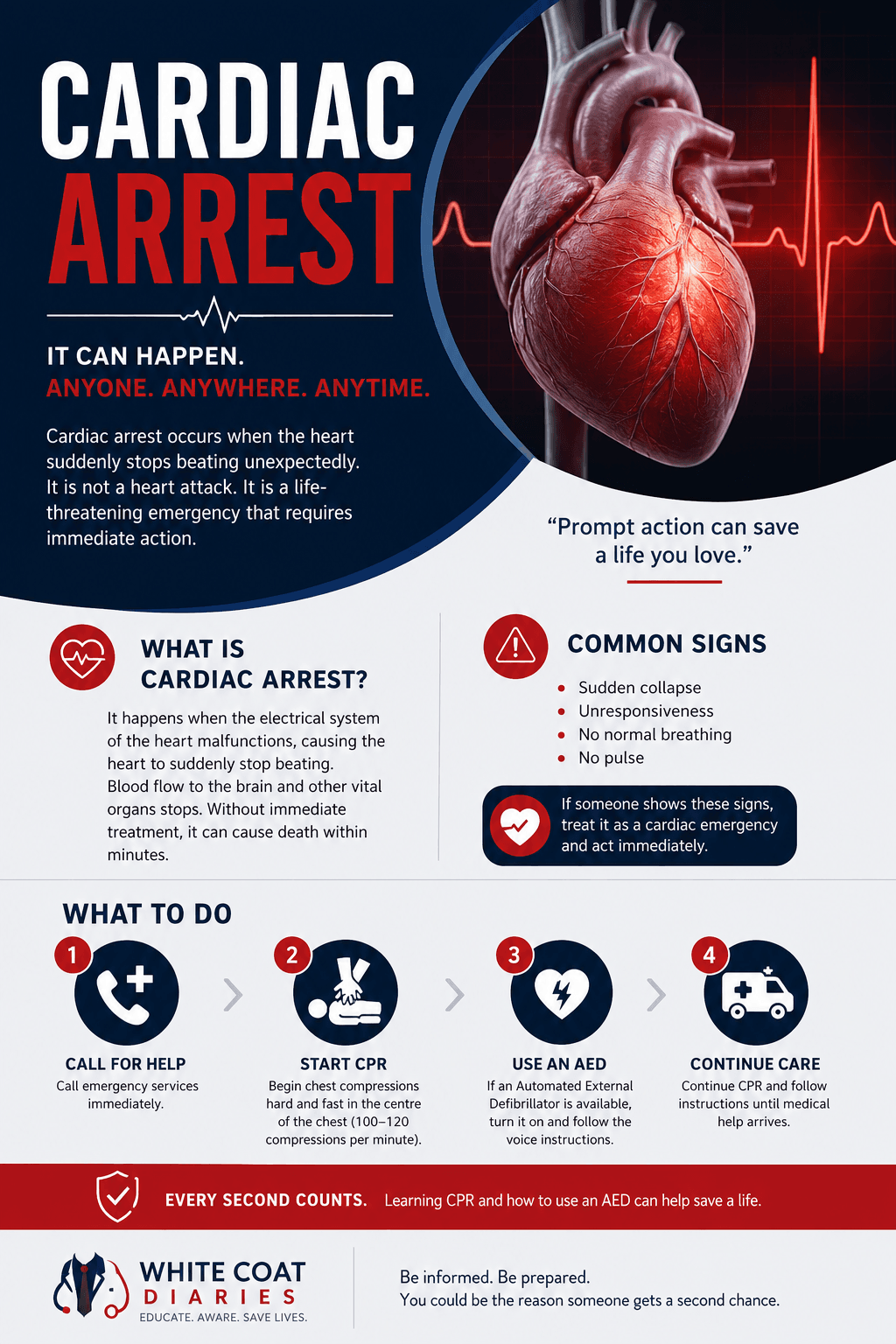
HE WAS ONLY 21
“David, you are going to kill yourself one day with this football.”
His mother had said it so many times that David had stopped counting.
Each time, he laughed.
“Mummy, I'm only twenty-one. I'm not an old man.”
That Saturday, his friends gathered at the field for their usual football match.
David was the first to arrive.
He ran around the field, teasing everyone and challenging the other team.
“Today, nobody is beating me!”
His friends laughed.
For the first thirty minutes, everything was normal.
Then David slowed down.
One of his friends noticed.
“David, what's wrong?”
“Nothing. I'm just tired.”
He bent over, breathing heavily.
“Maybe you should sit down.”
David shook his head.
“I'll be fine.”
He stood up.
Then, suddenly, he collapsed.
His body hit the ground.
For a few seconds, nobody moved.
They thought he had fainted.
“David?”
No response.
“David, wake up!”
His friend tapped his shoulder.
Nothing.
The atmosphere changed immediately.
Someone ran to call for help.
Another person reached for his phone to call emergency services.
But one boy stood there confused.
“He's only twenty-one,” he said. “Young people don't just have heart problems.”
That assumption could have cost David his life.
WHAT WAS HAPPENING?
David was experiencing a possible cardiac arrest.
Cardiac arrest occurs when the heart suddenly stops pumping blood effectively. When this happens, the brain and other vital organs quickly stop receiving the oxygen they need.
It is not the same as high blood pressure.
High blood pressure, also called hypertension, occurs when blood consistently pushes against the walls of the arteries with excessive force. A person can have high blood pressure without knowing it because it often has no obvious warning signs.
Cardiac arrest is different.
It is sudden.
And it requires immediate action.
If someone suddenly collapses, does not respond when spoken to or gently tapped, and is not breathing normally, don't assume they are sleeping or simply tired.
Call emergency services immediately.
If an automated external defibrillator is available, bring it to the person.
An automated external defibrillator is a portable device that checks the heart's rhythm and, when appropriate, gives an electrical shock to help restore a dangerous abnormal rhythm.
Begin cardiopulmonary resuscitation, commonly called CPR, if you are trained. Cardiopulmonary resuscitation involves repeated chest compressions to help keep blood moving through the body until professional help arrives.
If you are not trained, call emergency services and follow the instructions given by the emergency dispatcher.
Don't stand around recording.
Don't wait to see if the person will wake up.
And most importantly, don't dismiss the emergency because the person is young.
David's story is fictional.
But the lesson is real.
Young people can experience serious medical emergencies too.
Being young is a gift, but it is not a guarantee that nothing can ever go wrong.
Learn the warning signs.
Learn how to respond.
Learn cardiopulmonary resuscitation.
And if you ever witness someone suddenly collapse and become unresponsive, act quickly.
Because in a cardiac emergency, the first few minutes can make a life-changing difference.
WHITE COAT DIARIES
Don't let someone's age fool you.
Know. Act. Save a life.