 Writers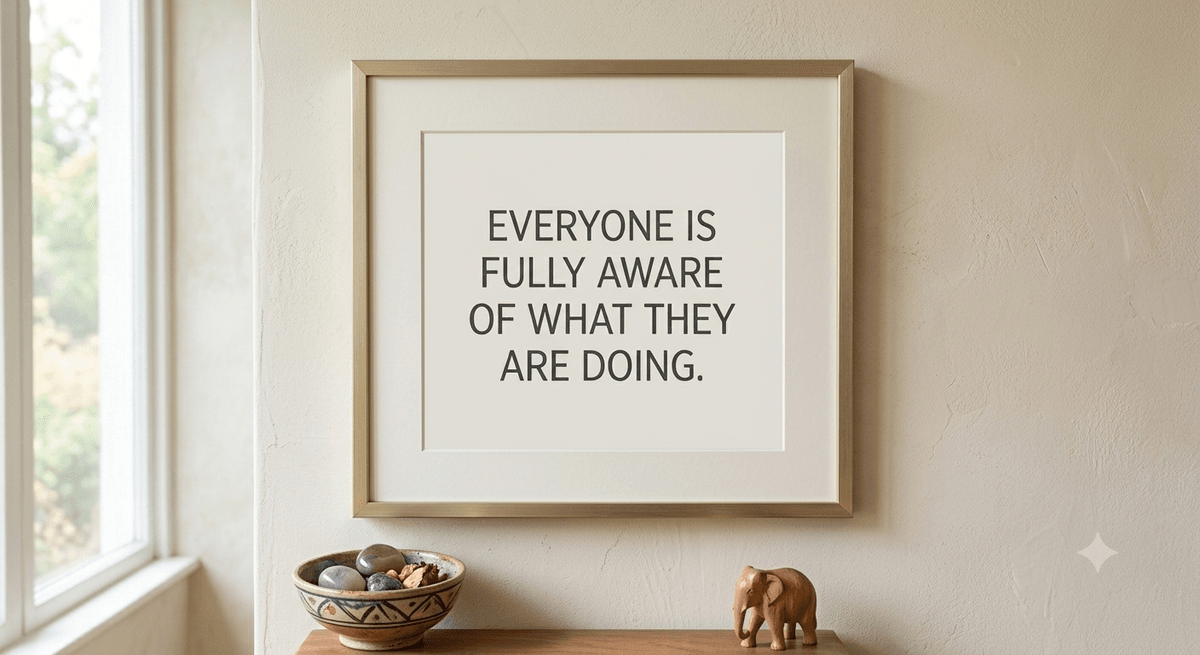
I have come to realise that humans are actually very intelligent creatures. We know what we are doing. We may pretend not to.
We may give a very convincing "I didn't mean it like that." We may even look surprised when someone finally reacts to something we have been doing for weeks.
But deep down? We know.
Take the person who suddenly becomes very busy whenever you need them, but somehow finds time when they need something from you. They know.
The person who reads your message and decides not to reply, then comes back three days later with "Sorry, I was busy." They know.
The person who keeps promising to change the same behaviour but somehow changes only when they are about to lose something. They know too.
And I think we sometimes make life unnecessarily complicated because we are too generous with excuses.
Someone can hurt you and we immediately start explaining their behaviour for them.
"Maybe they didn't realise or did not mean it or probably it's just a bad day or they didn't know it would hurt me."
Meanwhile, the person had enough time to think, act, continue acting and go to bed.
But apparently, we are the ones who need to conduct an investigation.
I remember how this happens even in school. You can sit in class and watch someone deliberately avoid doing their part of a group assignment. They have seen the messages, heard the deadline and they know that everyone else is working.
Then, when the work is almost finished, they suddenly appear with the energy of someone who has just discovered that the assignment exists.
"Sorry guys, I was busy."
Busy doing what?
I don't even want to know. But the funniest part is when the rest of us start saying, "Maybe they really had a lot going on."
Maybe.
But they also knew there was an assignment and both things can be true.
Someone can be busy and still know that they are neglecting something.
Someone can be tired and still know that they are being unfair.
Someone can be stressed and still know that their behaviour is hurting another person.
Having a reason does not automatically mean you were unaware of what you were doing.
That is the part I think we forget.
We sometimes behave as though people are sleepwalking through their lives.
As though they accidentally ignored us, lied, kept postponing, made the same choice ten times or accidentally treated one person differently from everyone else.
At what point do we stop calling it an accident?
If someone does something once, maybe it was a mistake.
Twice, okay, maybe.
But when there is a pattern, we should probably stop helping them write their defence.
Because honestly, some people don't even need us to defend them. They know what they did.
They just know they can get away with it if we are willing to keep accepting explanations.
And this applies to us too.
I cannot sit here pointing fingers at everybody and pretend I am innocent.
There have been times I knew I was procrastinating. I knew I should be reading. I knew I had work waiting for me.
Yet I would somehow find myself doing everything else. Cleaning, eating, checking my phone, opening an app "for just five minutes." Forty-five minutes later, I would look at the time and act shocked.
"How did time fly?"
Time did not fly. I watched it leave. I knew.
And if I can admit that about myself, then I have to extend the same honesty to other people.
Not everyone is confused, clueless, "didn't realise."
People make choices.
Sometimes they make selfish choices, careless choices, sometimes they make choices they know will hurt someone else because, at that particular moment, what they wanted mattered more to them.
That may not make them monsters. But it also doesn't mean we should pretend they had no idea what they were doing.
This is not about becoming bitter or assuming the worst about everybody. It is about paying attention.
If someone repeatedly shows you that they don't value your time, you don't need to keep inventing reasons for them.
If someone repeatedly breaks their word, you don't need to become their personal PR manager.
If someone keeps treating you in a way they know you don't like, you don't have to keep saying, "Maybe they don't know." They probably know.
And honestly, sometimes the most respectful thing you can do for yourself is to stop arguing with what you have already seen.
People know.
They know when they are being kind.
They know when they are being careless.
They know when they are making an effort.
They know when they are not.
They know when they are choosing you.
They also know when they are choosing convenience.
We don't always need another explanation.
Sometimes, we just need to accept that the person was fully conscious when they made the choice.
And then make our own choice about what we are going to do with that information.