 Writers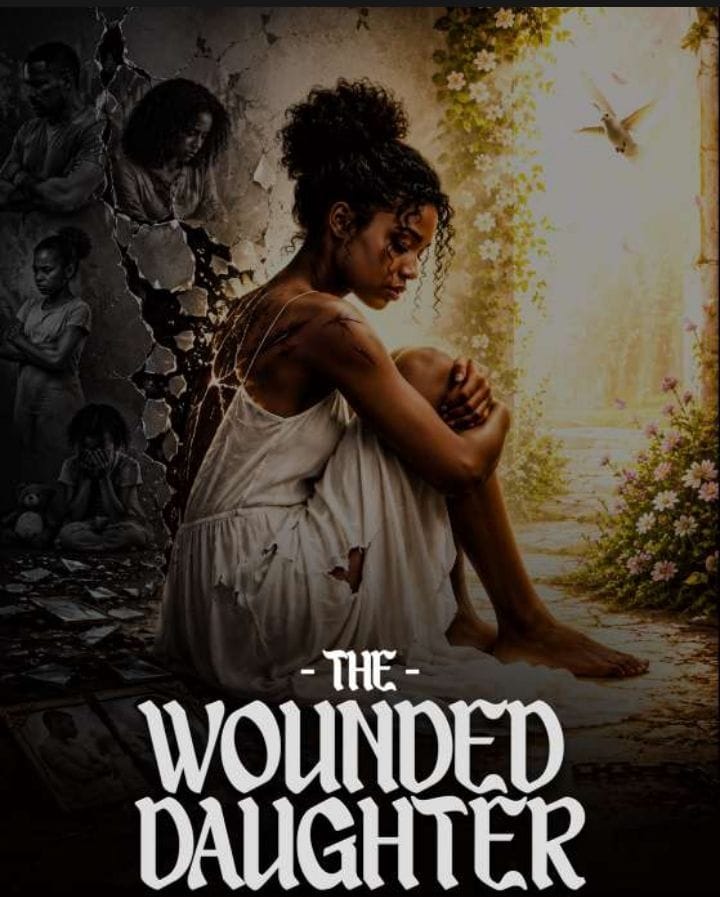
The Wounded Daughter
There are daughters who grow up surrounded by laughter, warmth, and the comforting assurance that home is a safe place. And then there are daughters who learn too early that a house can have walls without ever feeling like home.
She was one of them.
From childhood, she watched her family slowly fall apart. Her parents' marriage, once filled with promises, became a battlefield of arguments, silence, and resentment. Eventually, they separated, and the little girl who once believed her family would always remain together was left trying to understand why the people she loved could no longer love each other enough to stay.
But divorce was only the beginning.
As she grew older, she began to understand the weight placed upon daughters, especially in families where tradition and expectations are treated like unbreakable laws. She was expected to be strong when she was tired, respectful when she was hurting, patient when she was angry, and forgiving even when nobody apologized.
“Girls must know how to endure,” they told her.
So she endured.
She watched her brothers receive freedom while she was given responsibilities. She was taught that a good daughter should sacrifice, serve, remain silent, and never complain. When something went wrong in the family, she was often expected to understand. When someone was hurting, she was expected to care. But when she was the one hurting, there was rarely anyone asking, “Are you okay?”
She learned to hide her tears.
At school, she smiled.
At home, she became quiet.
At night, when everyone was asleep, she sometimes stared into the darkness and wondered whether something was wrong with her. Perhaps if she had been better, prettier, quieter, or more obedient, her family would have been happier. Perhaps if she had tried harder, her parents would not have separated.
She carried blame that was never hers to carry.
As the years passed, the wounded daughter became a young woman. People saw her strength and admired it, but they never asked what had built it. They praised her independence without knowing that she had learned independence because there was nobody dependable enough to lean on.
They called her strong.
They did not know she simply had no choice.
Sometimes, the deepest wounds are not visible. They live in the way a person struggles to trust, the way she fears abandonment, the way she apologizes for expressing her feelings, or the way she believes she must earn love by constantly giving something in return.
The wounded daughter may laugh loudly, yet carry a silent sadness.
She may appear confident, yet secretly wonder whether she is enough.
She may love deeply, yet fear that everyone she loves will eventually leave.
And sometimes, society makes her wounds deeper by telling her that she must simply “be a woman” and endure everything.
But daughters are not machines built for sacrifice.
They are human beings.
They deserve to be heard, protected, respected, encouraged, and loved. A daughter should not have to become a second mother simply because her family is struggling. She should not be punished for circumstances she did not create. She should not be made responsible for holding together a family that adults failed to protect.
The wounded daughter deserves healing.
She deserves a home where her voice matters. She deserves parents who understand that discipline should not destroy dignity. She deserves relationships where love does not demand constant suffering.
And most importantly, she deserves to know that her past does not have to become her future.
Her parents' divorce is not her identity.
Her family's struggles are not her destiny.
Her wounds are not proof that she is broken.
She is still a daughter.
Still worthy.