Writers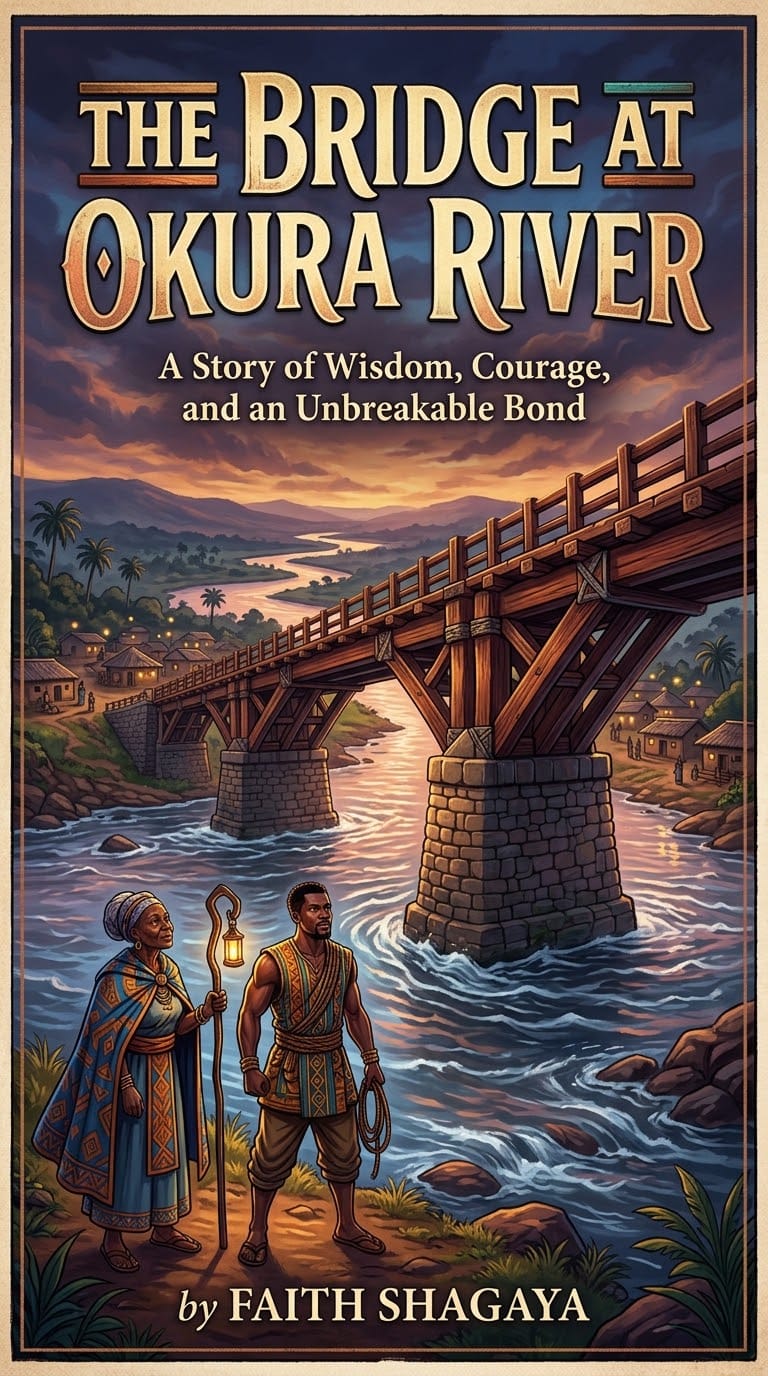
In the village of Akpa, leadership was shared between two very different people. By tradition, the village chose two leaders to govern together: the Ochi-Aka, the "Hand of Action," who handled defense and physical work, and the Ochi-Uche, the "Mind of Counsel," who handled justice and long-term planning.
That year, thirty-year-old Kofi served as the Ochi-Aka. He was bold, strong, and always ready to act — the kind of man who could rally a hundred people to fix a problem in a single afternoon. His partner was seventy-year-old Maame Adoma, the Ochi-Uche. She was calm and thoughtful, known for listening carefully before making any decision.
The two often clashed in style. Kofi believed problems needed fast action — if a roof leaked, you climbed up and fixed it immediately. Adoma believed action without careful thinking could be dangerous. She often told him that courage moves you forward, but wisdom keeps you from running straight off a cliff.
Their partnership was truly tested during a massive flood. Every few years, heavy rains caused the Okura River to swell violently. That year, the flood arrived suddenly, in the middle of the night, rising far above normal levels. Across the river stood the village's food storage and school, connected only by a large wooden bridge held up by three stone supports.
In the chaos, a massive uprooted tree got wedged against the bridge's central support. The force of the rushing water pressed harder and harder against it, and it was only a matter of time before the whole structure gave way.
Kofi rushed to the riverbank with dozens of young men, ready to swim out immediately and pull the tree free using ropes and oxen. It was a brave plan, and the men were eager to follow him.
But Adoma stopped him. She pointed out something Kofi had missed: the bridge's wooden beams were already bent and under intense pressure. If they yanked the tree away too quickly, the sudden release of pressure would cause the whole bridge to snap and collapse instantly — likely killing anyone still nearby.
Frustrated, Kofi asked if they were supposed to do nothing and simply watch the bridge fall. Adoma explained that wisdom doesn't mean inaction — it means acting at the right moment, in the right way. But she couldn't carry out her plan alone. She needed Kofi's courage and physical skill to make it work.
She laid out a more careful approach: first, tighten the support cables from the riverbank to lift some of the pressure off the damaged area. Once that was done safely, someone would need to climb out onto the slippery, shaking beams above the raging river and carefully place a small explosive charge to break the trapped tree into smaller, harmless pieces.
It was a dangerous job that required someone calm and physically capable. Kofi volunteered to do it himself.
What followed was a perfect example of teamwork. Adoma stayed on the bank, calmly directing the team tightening the cables. Meanwhile, Kofi climbed high above the water, moved carefully across the unstable beams, placed the charge exactly where it needed to go, and lit the fuse just in time to swing back to safety.
The explosion broke the tree apart, and the pieces were swept safely downstream. Because the bridge had already been stabilized from above, it settled gently back into place instead of collapsing. No one was hurt, the school children were safe, and the food stores remained protected.
The next morning, as the flood waters calmed, Kofi sat exhausted on the riverbank. Adoma brought him tea and told him that without his courage, her plan would have meant nothing. Kofi, humbled, replied that without her wisdom, his bravery alone would have gotten everyone killed.
From that day forward, the village understood something important: real leadership isn't about choosing between courage and wisdom. It's about combining both — just like the two banks of a river, different in nature, but together holding up the same bridge so people can safely cross.