 Writers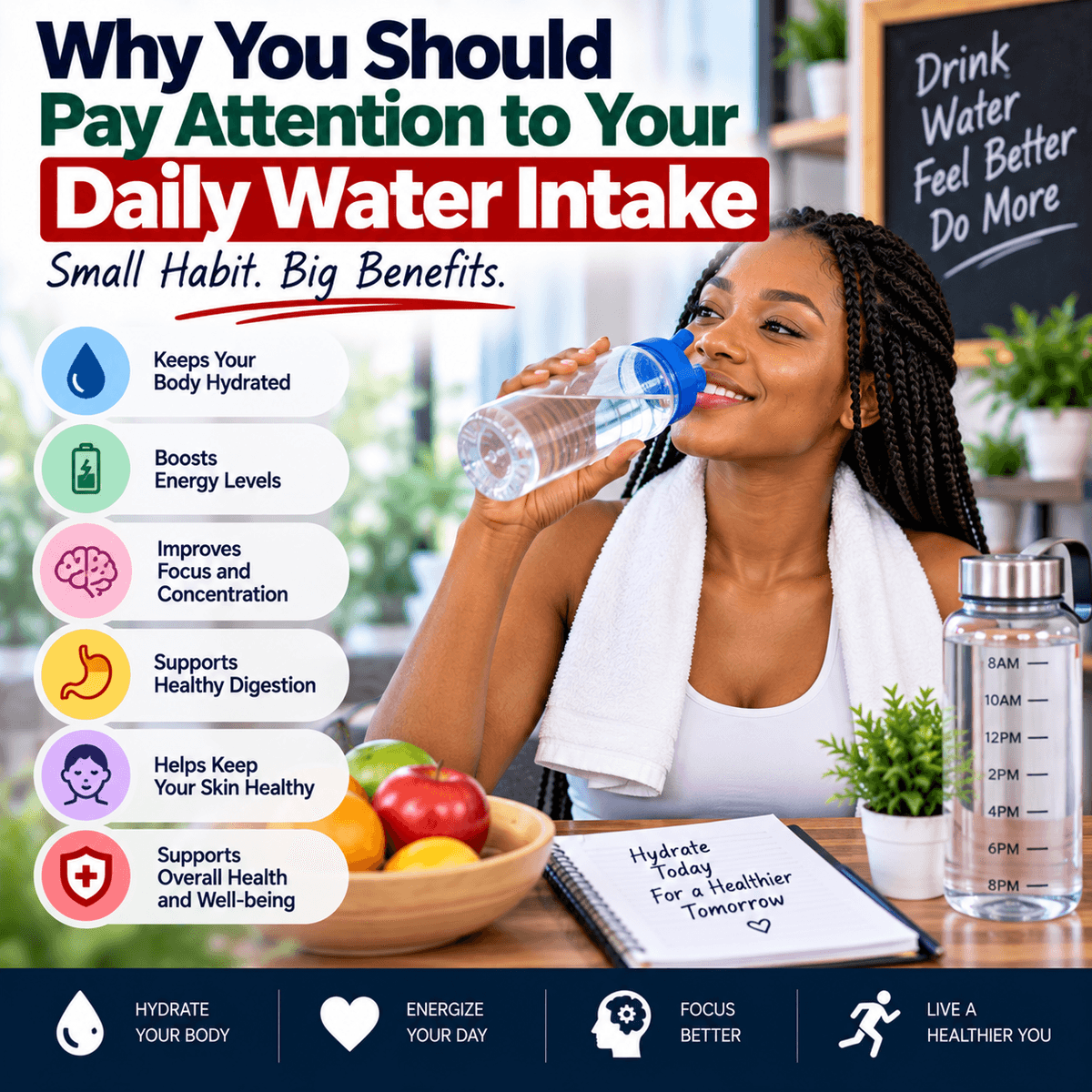
Water is essential for the body to function properly, yet many people do not pay much attention to how much fluid they take in during the day. A busy schedule can make it easy to go for several hours without drinking water, especially when you are focused on work, school, business or travelling. Some people wait until they feel very thirsty before reaching for water, while others replace most of their water intake with soft drinks, energy drinks or other sweetened beverages. Your body needs water for many normal functions, including helping to control body temperature, supporting digestion, carrying nutrients and removing waste through urine. You continually lose water through urine, sweat, breathing and normal body processes, so that fluid needs to be replaced. The amount you need is not exactly the same for everyone. Your age, body size, activity level, diet, environment, pregnancy or breastfeeding, and certain health conditions can affect your needs. Hot weather and physical activity can also increase fluid loss through sweating. This is particularly important for people who spend long periods outdoors or perform physically demanding work. Rather than focusing only on a fixed number of glasses that everyone must drink, it is more useful to develop regular hydration habits and pay attention to your body's needs. Water obtained from food and other suitable drinks can also contribute to total fluid intake. Making water easily available throughout the day can help you drink more regularly instead of suddenly trying to consume a large amount after hours without fluids.
One of the first things you may notice when you have not had enough fluid is thirst, but other signs can also occur. Your mouth may feel dry, your urine may become darker than usual, or you may urinate less frequently. Some people may experience tiredness, headache, dizziness or difficulty concentrating when they become dehydrated. These symptoms can have many causes, so experiencing one of them does not automatically mean dehydration is responsible. However, they can be useful reasons to consider whether you have been drinking enough, particularly after spending time in hot conditions, exercising heavily or losing fluids because of illness. Severe dehydration can become a medical problem and may require prompt treatment. Young children, older adults and people who are unwell can sometimes be more vulnerable to dehydration. Vomiting and diarrhoea can cause significant loss of water and salts, especially when they continue for some time. In these situations, replacing fluids appropriately becomes important, and medical advice may be needed, particularly when the person cannot keep fluids down, appears unusually weak or confused, has very little urine or shows other concerning symptoms. It is also important not to assume that simply drinking more water will solve every headache, episode of tiredness or feeling of dizziness. Persistent or severe symptoms should be assessed by a qualified health professional. Good hydration is an important health habit, but it should not be used as a replacement for medical care when symptoms suggest that something more serious may be happening.
Building a good hydration routine does not need to be difficult. One practical approach is to keep safe drinking water within easy reach. If you work at a desk, keeping a bottle or cup nearby can remind you to drink periodically. If you travel frequently or spend time outdoors, carrying water can reduce the chance of going for long periods without drinking. You can also make drinking water part of activities you already do every day, such as having some with meals. During physical activity, pay closer attention to fluid intake, particularly when you are sweating heavily or exercising in hot conditions. People who work outdoors, exercise regularly or perform demanding physical jobs may need more fluid than people who spend most of their day in a cool indoor environment. Food can contribute to hydration as well. Fruits, vegetables, soups and other foods with a high water content provide some of the fluid your body receives. While many beverages contribute to overall fluid intake, water remains a simple option because it hydrates without adding sugar or many calories. This is worth considering if much of your daily fluid comes from sugary drinks. You do not necessarily need to remove every other beverage from your diet, but replacing some sweetened drinks with water can reduce the amount of added sugar you consume. If plain water is difficult for you to drink regularly, serving it cool or adding suitable pieces of fruit for flavour may make it more appealing without requiring large amounts of added sugar.
It is also important to understand that more water is not always better. Drinking extremely large amounts of water in a short period can be harmful because it can disturb the normal balance of water and salts in the body. For most healthy people under normal conditions, drinking according to thirst and maintaining regular access to fluids works well, but individual needs vary. Some people may also receive specific instructions about fluid intake from a health professional. Certain medical conditions involving the kidneys, heart or other organs can affect how the body handles fluid, and some medicines can influence fluid balance. If a doctor has told you to limit or carefully manage your fluid intake, general advice encouraging people to drink more water should not replace those instructions. Athletes and people performing prolonged, intense physical activity can also have different needs because they may lose both water and salts through heavy sweating. This is why there is no single amount of water that is perfect for every person in every situation. You can use simple observations to support your routine. Notice how often you become thirsty, whether you have spent significant time in hot weather, how physically active you have been and whether you are losing additional fluids because of illness. Urine colour can sometimes provide a rough clue about hydration, although medicines, foods and health conditions can also affect its appearance. The aim should not be to force yourself to drink continuously throughout the day. It should be to maintain a sensible and consistent fluid intake that matches your circumstances.
Paying attention to hydration is a small daily habit that can support your general health. You do not need expensive products or a complicated routine to begin. Start by making safe drinking water easy to access and remembering to drink regularly, particularly during hot weather, exercise and other situations where you lose more fluid. Be aware of signs such as strong thirst, a dry mouth, unusually dark urine or reduced urination, while remembering that these signs are not a substitute for medical assessment. Parents and caregivers should also pay attention to fluid intake when children or older adults are ill, especially when vomiting, diarrhoea or fever is present. If someone shows signs of severe dehydration, cannot keep fluids down, becomes confused, extremely weak or develops other serious symptoms, seek medical care promptly. At the same time, avoid turning hydration into a competition to drink as much water as possible. Your body needs an appropriate amount, not an unlimited amount. People with health conditions or medical instructions concerning fluids should follow the advice given by their healthcare professionals. For most people, the useful lesson is straightforward: do not regularly go through an entire busy day while forgetting to drink. Keep water available, respond to thirst, increase your attention to fluids when conditions cause greater losses and choose water more often when the alternative is a heavily sweetened drink. Consistent hydration is one of the basic ways you can support your body as it carries out its normal functions every day.
