Writers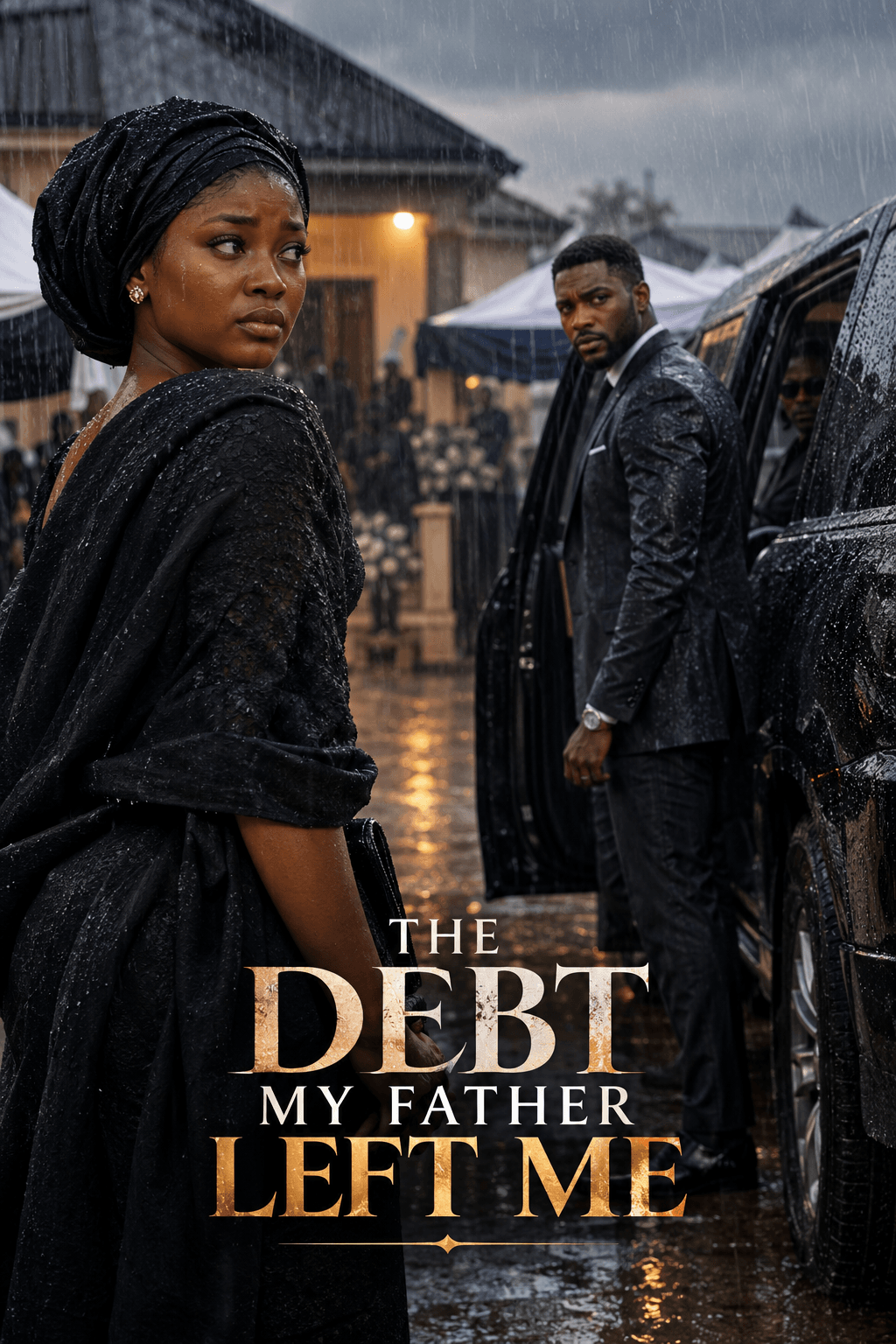
Chapter Two: The Rice Is Finishing
The SUV was gone, but the compound had already decided what it thought about it.
"Amara." My cousin Chidinma appeared beside me with a plate of jollof rice she clearly wasn't planning to share. "Who was that? Because if you don't want him, give me the number."
"Chidinma. We're at a funeral."
"And? Grief doesn't pay rent." She took a bite of chicken. "Did you see his shoes? Those were not Balogun Market shoes."
I left her to her jollof and her commentary and went to find somewhere quiet to breathe, which at a Nigerian funeral is a myth on the level of a quiet library.
I found Aunty Ngozi instead, standing guard over the drinks table like it owed her money.
"They're finishing the rice," she announced, the way other people announce national emergencies. "Sister Bisi's people are eating like they haven't seen food since Christmas. Amara, is everything fine? That man's face — I know rich-man trouble when I see it. I raised four daughters."
"It's a business matter, Aunty."
"Mm." She didn't believe me the first time either, but she let it go, mostly because Uncle Emeka had just knocked over the second crate of Fanta and her attention had urgent, more solvable problems.
My younger brother Chibuike found me by the gate a little later, still in his one good shirt, tie loosened the way boys do when they've decided the day is officially over even if it isn't.
"That car though." He whistled low. "You know that's like forty million naira just sitting there? Forty million. Papa's whole life savings couldn't buy one door of that thing."
"Don't remind me," I muttered.
"Why, what happened?"
I almost told him. I opened my mouth and the whole impossible shape of it sat right there behind my teeth — the man wants to marry me to erase a debt Papa apparently owed his dead father — and then I looked at Chibuike's face, seventeen years old and already carrying more grief than a boy his age should have to carry, and I swallowed it back down.
"Nothing. He knew Papa from the old job. Paying respects."
"Rich people don't pay respects, Amara. Rich people pay invoices." He grinned at his own joke, proud of it, and for one small second I almost laughed for real, which felt like a betrayal of the day itself.
That was the thing nobody warns you about grief — it doesn't cancel the rest of your personality. You can be devastated and still laugh at your little brother's terrible jokes twenty minutes later. You can be facing the end of your entire life as you know it and still get distracted by Chidinma loudly negotiating leftover meat with the caterer like she was closing a property deal.
"Ah ah, that's four pieces of chicken for me now, not three, I helped carry the canopy poles"
"You carried one pole. For two minutes."
"The heaviest pole!"
I actually laughed then. Just once, short and surprised out of me, and Aunty Ngozi looked over sharply like she'd caught me committing a crime, before her own mouth twitched and she went back to guarding the Fanta.
It didn't last. Nothing that day lasted.
By nine o'clock the compound had mostly cleared, and Aunty Ngozi came to find me with the particular urgency of a woman who has just seen the last of the rice disappear into a plastic container destined for someone's freezer.
"The rice is finished," she said, like it meant something bigger than rice, because I realized, my stomach dropping — it did.
I checked my phone. No message from Kelechi Obi. No missed call. Just his card, still in my pocket where I'd tucked it without deciding to, and a deadline he never bothered to spell out in minutes because a man like that doesn't need to. He'd know the exact moment the last plate went empty. Somebody was probably watching this compound for him right now, reporting back like it was market intelligence.
I stepped away from the noise, out past the gate where the street had gone dark and wet, and I dialed the number on the card before I could talk myself out of it.
It rang twice.
"Amara Chukwu." His voice again, unhurried, like he'd been waiting with the phone already in his hand. "I was starting to think you'd let the rice decide for you."
"I need to see the rest of my father's file. Everything he had connected to your family. Before I agree to anything."
There was a pause on the line — the first genuine pause I'd heard from him all day, like I'd said something he hadn't planned for.
"There is no more file, Miss Chukwu. That contract is everything I have."
"Then you won't mind if I go looking for what you don't."
Another pause, longer this time. And when he spoke again, the unhurried thing in his voice had gone somewhere else entirely.
"What exactly," he said slowly, "do you think you know?"
---
FOLLOW UP FOR CHAPTER THREE