 Writers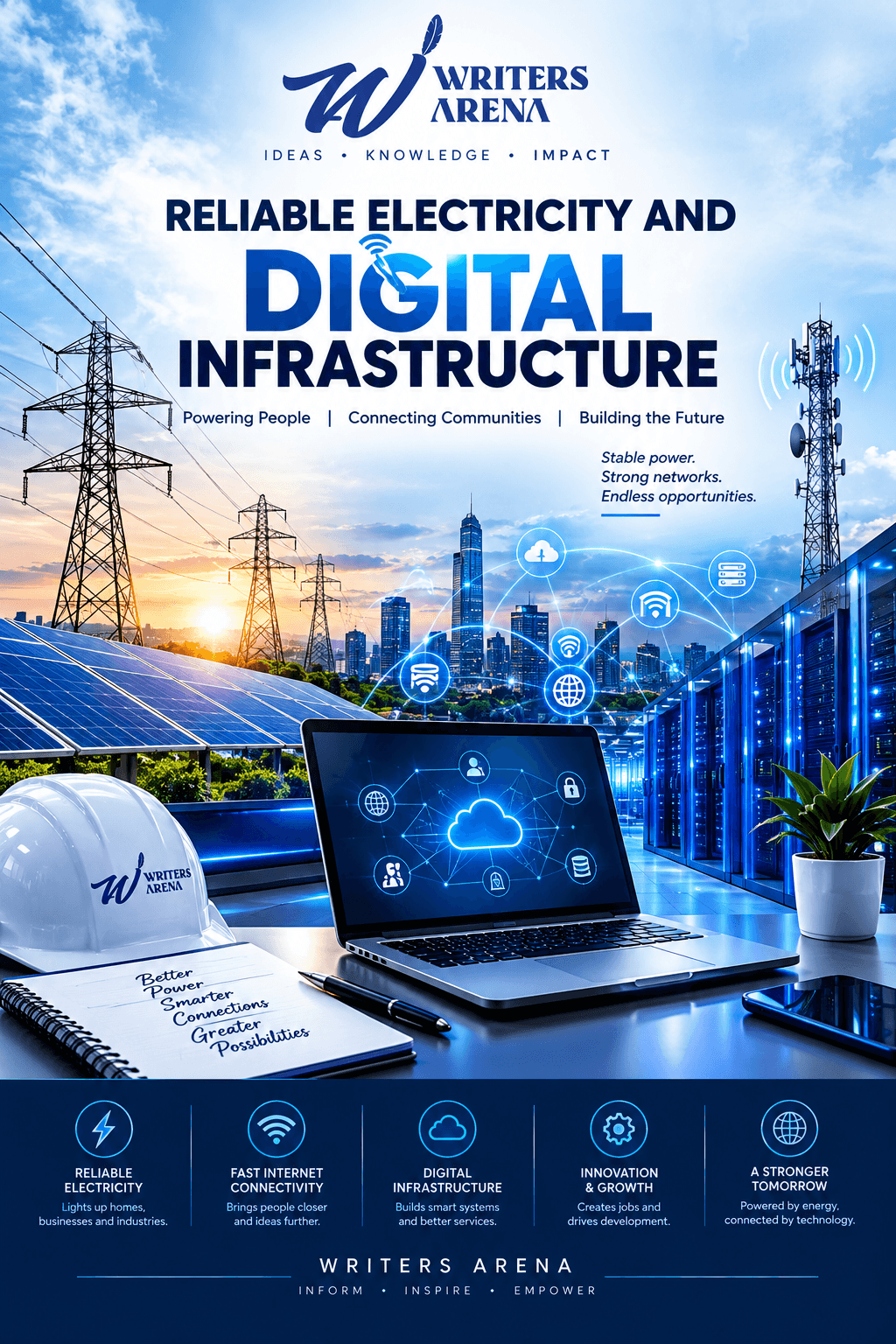
Technology is changing the way people live, learn, work and do business. From smartphones and computers to online banking, artificial intelligence and digital education, technology has become an important part of modern life. However, technology cannot reach its full potential without two important things: reliable electricity and strong digital infrastructure. Together, they provide the power and connection needed to build smarter communities and create new opportunities.
Reliable Electricity: The Foundation of Progress
Electricity is the foundation of almost every modern activity. Homes need electricity for lighting and communication. Schools need it to use computers and digital learning tools. Hospitals depend on it to operate important equipment. Businesses need stable power to run machines, computers, internet systems and other services.
When electricity is unreliable, development becomes difficult. Businesses may lose working hours, students may struggle to study, and important digital services can be interrupted. Reliable electricity allows people and organisations to work with greater stability and make better use of modern technology.
Renewable energy can also play an important role in building a stronger power system. Solar energy, wind energy and other clean energy sources can help increase access to electricity while supporting a more sustainable future. Combining different sources of energy with modern power systems can create stronger and more dependable electricity networks.
Fast Internet: Connecting People
Electricity alone is not enough in the digital age. People also need fast and reliable internet connectivity. The internet connects individuals, businesses, schools and communities to information and opportunities around the world.
With good internet access, a student can attend an online class, a business owner can reach customers in another city or country, and a young person can learn valuable digital skills. People can communicate instantly, work remotely and access services without travelling long distances.
Digital connectivity can therefore bring people closer together. It can reduce the gap between communities and give more people the chance to participate in the digital economy.
Digital Infrastructure: Building Smart Systems
Digital infrastructure includes the systems that support modern technology, such as data centres, telecommunications networks, cloud services, fibre-optic connections, mobile networks and secure digital platforms.
These systems work behind the scenes to keep digital services running. When someone sends a message, makes an online payment, stores a file in the cloud or visits a website, digital infrastructure helps make that possible.
Strong digital infrastructure also creates room for innovation. Entrepreneurs can build technology companies, businesses can introduce digital services, and governments can provide public services online. It can also support areas such as artificial intelligence, e-commerce, digital banking and smart cities.
Powering Innovation and Growth
Reliable electricity and digital infrastructure work together. Electricity powers the devices and systems, while digital networks connect them. When both are strong, new possibilities can emerge.
Young people can learn new skills, create digital businesses and develop solutions to local problems. Small businesses can use technology to advertise their products, communicate with customers and reach wider markets. Industries can also use digital tools to improve production and efficiency.
This means infrastructure is not simply about wires, towers, computers or servers. It is about creating opportunities for people.
Building a Stronger Tomorrow
Reliable electricity and digital infrastructure are essential for a modern and connected society. They support education, business, communication, healthcare and innovation.
The future will require more than simply having technology. Communities need the electricity and digital systems that allow technology to work effectively.
Stable power. Strong networks. Endless opportunities.
When reliable electricity is combined with fast connectivity and modern digital infrastructure, people become more connected, businesses become more capable, and communities gain greater opportunities to grow.
The goal is simple: power people, connect communities and build a smarter future through technology.