 Writers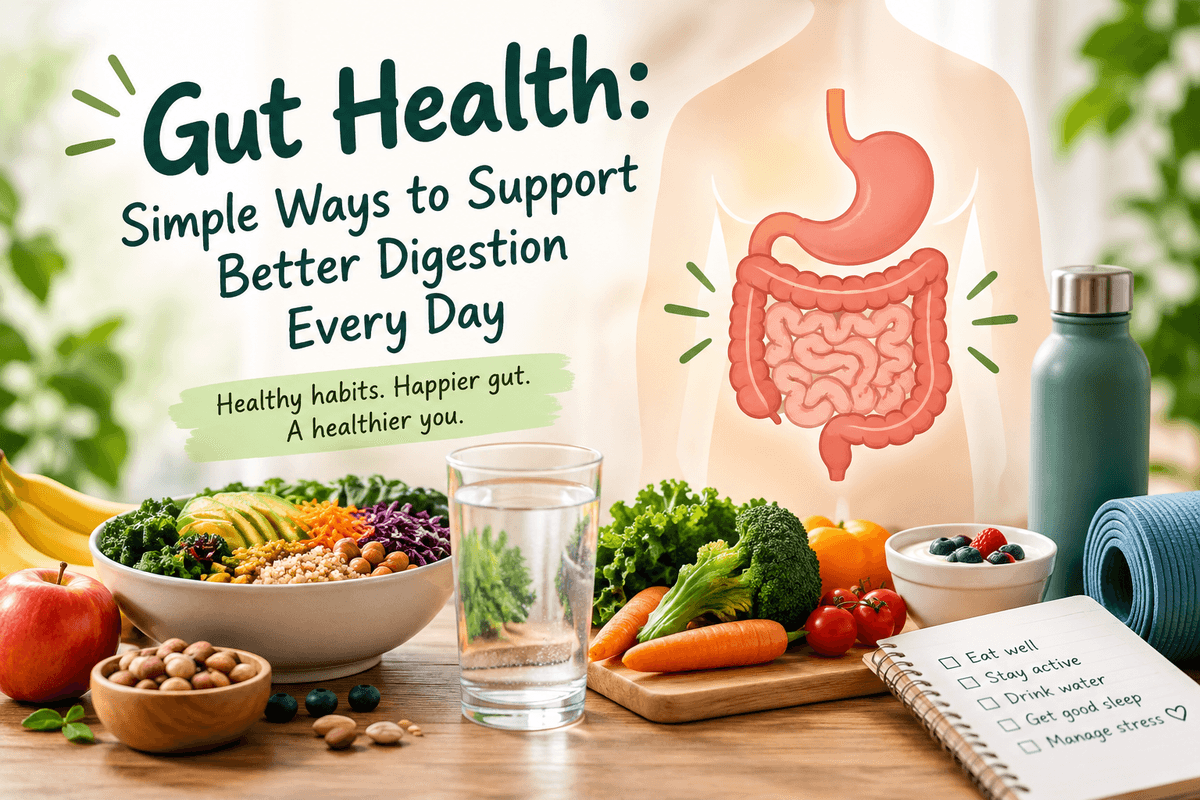
Gut Health: Simple Ways to Support Better Digestion Every Day
Your digestive system probably isn't something you think about very often—until something goes wrong.
A heavy meal can leave you feeling uncomfortable. Eating too quickly might make you feel bloated. Going through a stressful period can sometimes affect your appetite or digestion. Even changes in your daily routine can influence how your stomach and bowels feel.
These experiences are a reminder that digestion is connected to many parts of everyday life.
The digestive system does much more than simply process the food we eat. It helps the body break food down, absorb nutrients, and get rid of waste. The foods we regularly eat, how active we are, how much water we drink, and other lifestyle factors can all play a role in digestive health.
Fortunately, supporting your digestive system does not require following complicated diets or buying expensive products. In many cases, simple habits can make a meaningful difference.
What Does Gut Health Actually Mean?
The term "gut health" is used frequently online, but it can sometimes sound more complicated than it really is.
Your gastrointestinal system includes organs such as the stomach and intestines. Inside the digestive tract, there are also trillions of microorganisms, including bacteria and other microbes. Together, these microorganisms are often referred to as the gut microbiome.
A healthy digestive system needs to perform its normal functions effectively. That includes digesting food, absorbing nutrients, and moving waste through the body.
Diet is one factor that can support these processes. A varied diet containing fruits, vegetables, whole grains, legumes, nuts, and seeds provides fibre and other nutrients that are important for digestive health.
Gut health is not about having a completely "perfect" digestive system every single day. Everyone experiences occasional stomach discomfort, changes in bowel movements, or other minor digestive issues.
The goal is to develop habits that generally support your health.
Why Fibre Is So Important
If there is one nutrient that deserves more attention when talking about digestion, it is fibre.
Fibre is found mainly in plant foods. Unlike many other carbohydrates, the body does not completely digest fibre. Instead, it passes through the digestive system and can help support normal bowel function.
Good sources include fruits, vegetables, whole grains, beans, lentils, nuts, and seeds.
Fibre can help prevent constipation and contributes to digestive health. It can also help people feel full after eating. Some types of fibre can support healthy blood sugar and cholesterol levels as part of an overall healthy diet.
There is an important point, however: more fibre is not always better if you increase it too quickly.
Someone who suddenly goes from eating very little fibre to eating large amounts may experience gas, bloating, cramps, or changes in bowel movements. Increasing fibre gradually and drinking enough fluids can make the transition easier.
Instead of completely changing your diet overnight, try adding one fibre-rich food at a time.
You might add fruit to breakfast, beans to a meal, vegetables to lunch, or whole grains to your regular meals.
Small changes add up.
Eat More Fruits and Vegetables
Fruits and vegetables are some of the easiest foods to add to a diet when you want to support digestive health.
They provide fibre, vitamins, minerals, water, and other substances that contribute to overall health. A varied diet containing plant foods can also support a diverse gut microbiome.
There is no requirement to eat the same few vegetables every day.
Try different colours and varieties. Carrots, tomatoes, leafy greens, peppers, okra, cabbage, broccoli, oranges, bananas, apples, mangoes, and many other fruits and vegetables can all contribute different nutrients.
Fresh produce is great, but frozen or canned fruits and vegetables can also be useful options. When buying canned products, checking for added sugar or high amounts of sodium can help you make choices that fit your overall diet.
One simple strategy is to add rather than subtract.
Instead of thinking, "What foods do I need to stop eating?", think, "What nutritious food can I add to this meal?"
That small change in thinking can make healthy eating feel much less restrictive.
Drink Enough Fluids
Fibre and fluids work together in the digestive system.
Drinking enough fluids helps the body function normally, and adequate hydration can be particularly helpful when increasing fibre intake.
Water is an easy choice for staying hydrated. Some people find it easier to drink enough when they keep a bottle nearby throughout the day.
You do not necessarily have to wait until you are extremely thirsty before drinking.
Your fluid needs can vary depending on factors such as your activity level, environment, diet, and individual circumstances. Someone spending hours outdoors in hot weather may need more fluids than someone sitting indoors in a cool environment.
The important thing is to make hydration a regular part of your day.
Slow Down When You Eat
Eating can become something we do without thinking.
You might eat breakfast while rushing to school or work, have lunch while looking at your phone, or finish dinner quickly because you have something else to do.
Slowing down can make meals more enjoyable and gives you an opportunity to pay attention to how you feel while eating.
Chewing food thoroughly is also a normal part of digestion because it breaks food into smaller pieces before it moves further through the digestive system.
You don't need to count your chews or follow a complicated eating technique.
Simply putting your phone away for a few minutes, sitting down, and giving your meal your attention can be a useful change.
Physical Activity Can Support Digestion
Movement is another important part of a healthy lifestyle.
You do not have to become a serious athlete to benefit from being physically active. Walking, cycling, dancing, playing sports, swimming, or simply moving around throughout the day can all contribute to an active lifestyle.
Long periods of sitting can make your day very inactive, so regular movement breaks can be useful.
For example, if you have been sitting for a long time studying, get up and walk around for a few minutes. If you're watching television, take a short movement break between episodes.
The goal is not to turn every moment of your day into exercise.
It is simply to avoid being completely inactive for long periods.
Stress and Digestion Are Connected
Have you ever had "butterflies" in your stomach before an important event?
That feeling is a simple example of how closely the brain and digestive system can interact.
Stress can affect appetite and the way a person experiences digestive symptoms. Some people notice changes in their stomach or bowel habits during stressful periods.
That is one reason taking care of mental wellbeing can also be part of taking care of your digestive health.
You don't need a complicated stress-management routine.
Taking a break, talking to someone you trust, listening to music, getting some fresh air, enjoying a hobby, or getting enough sleep may help you manage everyday stress.
If stress or emotional difficulties become overwhelming or interfere with daily life, speaking with a trusted adult or qualified professional can be helpful.
Don't Believe Every "Gut Health" Trend
Search the internet for gut health and you will quickly find hundreds of claims.
Some websites promote special drinks, restrictive diets, expensive supplements, or "detox" routines as if they are necessary for everyone.
Be careful with these claims.
A healthy digestive system does not require an expensive collection of products.
A varied diet containing nutrient-dense foods is a much more sensible foundation. Current CDC guidance emphasizes vegetables, fruits, whole grains, protein foods, and other nutrient-dense choices while recommending limits on highly processed foods, added sugars, and excess sodium.
A product being labelled "natural" does not automatically make it necessary or appropriate for you.
If you are considering a supplement because you believe you have a health problem, it is better to discuss the issue with a healthcare professional rather than treating yourself based on social media advice.
Fermented Foods Are Not Magic
Fermented foods are often discussed in conversations about the gut microbiome.
Foods such as yogurt and certain fermented vegetables can be part of a varied diet. Some fermented foods contain microorganisms that may interact with the gut.
However, that does not mean one particular fermented food will automatically "fix" your gut.
There is no single magic food that can replace an overall healthy eating pattern.
Instead of becoming obsessed with one food, focus on variety.
Different plant foods provide different types of fibre and nutrients, and a diverse diet can support a diverse microbiome.
Be Careful With Extremely Restrictive Diets
The internet is full of diets that tell people to completely remove entire categories of food.
Some diets may be appropriate for specific medical conditions under professional guidance. But randomly eliminating foods because someone online says they are "toxic" is a different matter.
Cutting out large numbers of foods can make it harder to get a variety of nutrients and can make eating unnecessarily stressful.
There is also no reason to believe that everyone needs exactly the same diet.
People have different nutritional needs, preferences, cultures, budgets, activity levels, and health circumstances.
A healthy eating pattern should be realistic enough to maintain.
Read Food Labels When You Can
Packaged foods can sometimes make it difficult to know exactly what you are eating.
Reading the nutrition information can help you compare products.
Depending on the food, you may want to look at things such as fibre, added sugars, sodium, saturated fat, and serving size.
Serving size is particularly important because the nutrition information on a package may refer to one serving rather than the entire package.
You do not need to become obsessed with labels.
The purpose is simply to become more aware of what you are choosing.
Over time, this can make grocery shopping easier because you start recognizing which foods fit your usual eating pattern.
Whole Foods Can Make Healthy Eating Easier
Whole or minimally processed foods can form a useful foundation for meals.
Think about foods such as beans, lentils, vegetables, fruits, whole grains, eggs, fish, nuts, seeds, and other nutrient-rich options.
That does not mean every packaged food should be avoided.
Some processed foods are convenient and nutritious. Frozen vegetables, canned beans, plain yogurt, and other packaged foods can fit into a healthy diet.
The bigger issue is the overall pattern.
A diet dominated by highly processed foods, added sugars, and excess sodium may leave less room for foods that provide important nutrients.
Rather than trying to eat "perfectly," aim to make nutritious choices more often.
Pay Attention to Your Normal Bathroom Habits
Bowel movements are a normal part of digestion, but people often feel embarrassed talking about them.
There is no single schedule that is identical for everyone.
What matters is noticing significant changes from what is normal for you.
Persistent constipation, ongoing diarrhoea, repeated severe abdominal pain, blood in the stool, unexplained weight changes, or other concerning symptoms should not simply be ignored.
If something feels wrong or continues for a significant period, talk to a healthcare professional.
You don't have to diagnose yourself first.
A doctor or other qualified professional can ask appropriate questions, assess your symptoms, and determine whether further evaluation is necessary.
Sleep Still Matters
It may seem strange to talk about sleep in an article about digestion, but health habits are connected.
Poor sleep can affect how you feel during the day, your energy, your mood, and your ability to maintain other healthy routines.
A consistent sleep schedule can make it easier to get enough rest.
Try to avoid making late nights a permanent part of your routine. Give yourself enough time to wind down before bed rather than staying active until the exact moment you want to sleep.
A good nighttime routine does not have to be complicated.
It could simply involve finishing your responsibilities, reducing stimulating activities, preparing for the next day, and giving yourself some quiet time before bed.
Avoid Making Food Your Enemy
There is a lot of fear surrounding food online.
One week, someone says carbohydrates are terrible. The next week, someone claims that a particular ingredient is poisonous. Then another trend appears telling people to eat only a very small selection of foods.
This can create an unhealthy relationship with eating.
Food provides energy and nutrients, but it is also part of culture, family, celebrations, and enjoyment.
Healthy eating does not require being afraid of every snack or dessert.
A balanced eating pattern can include foods that are primarily chosen for enjoyment as well as foods that provide important nutrients.
What matters is the overall pattern, not one meal.
Start With One Change
Improving digestive health does not need to become a massive project.
Pick one habit.
Maybe you want to eat fruit more regularly.
Maybe you want to add vegetables to another meal.
Maybe you want to drink more water.
Maybe you want to start taking a short walk each day.
Choose something realistic enough that you can continue doing it.
After it becomes part of your normal routine, you can build another habit on top of it.
This approach is often more sustainable than trying to completely redesign your lifestyle in one weekend.
When Should You Seek Medical Advice?
Occasional digestive discomfort happens to many people, but persistent or severe symptoms deserve attention.
If you repeatedly experience significant abdominal pain, ongoing vomiting or diarrhoea, blood in your stool, severe constipation, difficulty swallowing, unexplained changes in your health, or symptoms that are worrying you, speak with a healthcare professional.
Do not rely solely on social media or online articles to diagnose a medical condition.
An article can provide general information, but it cannot know your medical history or examine you.
Getting professional advice when necessary is part of taking good care of your health.
Final Thoughts
Good gut health is not about finding a miracle food, buying an expensive supplement, or following the latest diet trend.
It starts with ordinary habits.
Eat a variety of nutritious foods. Include fibre-rich foods such as fruits, vegetables, whole grains, beans, nuts, and seeds. Drink enough fluids. Stay physically active. Get adequate sleep. Manage stress in healthy ways, and pay attention to changes in how your body feels.
You do not have to change everything at once.
A healthier digestive system is supported by the same basic habits that support overall health. The most useful approach is usually not the most extreme one. It is the approach you can realistically maintain.
Instead of looking for a quick fix, focus on building a lifestyle that gives your body the nutrients, movement, rest, and care it needs.
Your digestive system works every day without asking for much attention. Giving it a little more consideration in the choices you make can be a worthwhile investment in your overall wellbeing.