Writers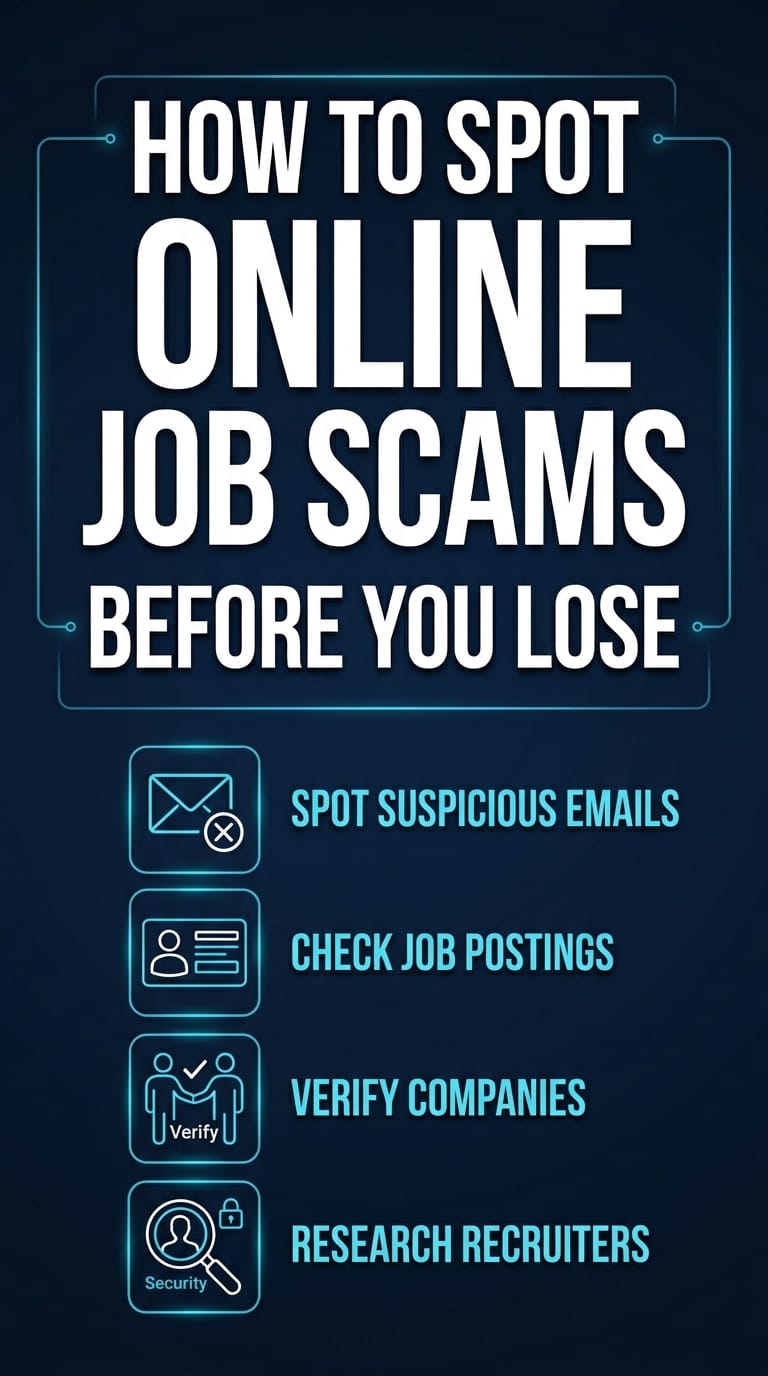
The internet has made it easier than ever to find work. You can apply for jobs, freelance for clients, write articles, design graphics, teach online, or provide many other services without leaving your home.
But there is another side to the online job market: scammers.
People looking for their first online job are often targeted because they may be excited about any opportunity that promises quick money. A job advertisement can look professional and still be completely fake.
Before accepting an online job, here are some warning signs you should know.
1. They Ask You to Pay Before You Start
One of the biggest warning signs is being asked to send money before you can work.
A scammer may tell you that you need to pay for registration, training, equipment, verification, or a special account before you can receive the job. Legitimate employers may have recruitment or training processes, but you should be extremely careful when someone says “pay first, then you can earn.”
If the main purpose of the opportunity seems to be collecting money from applicants, walk away.
2. The Payment Sounds Too Good to Be True
Imagine someone with no experience being promised hundreds of dollars every day for a few minutes of simple work.
It sounds attractive, but unrealistic income promises should make you suspicious.
Scammers often use huge earnings to create excitement and make people ignore important questions.
Before accepting an opportunity, ask:
* What exactly will I be doing?
* How is the payment calculated?
* Who is paying me?
* Is there a contract or clear agreement?
* Can I find independent information about the company?
A genuine opportunity should be able to answer these questions clearly.
3. They Pressure You to Act Immediately
Be careful when someone tells you:
> “You must pay today.”
> “Only five spaces are left.”
> “Send the money now or you will lose the job.”
Pressure is often used to prevent people from thinking carefully.
A real job opportunity should give you reasonable time to understand the work and verify who you are dealing with.
If someone is rushing you into sending money or personal information, stop and investigate first.
4. They Avoid Explaining the Actual Work
A legitimate job should have a reasonably clear description.
If an advertisement says things like “make money from your phone” or “earn huge income easily” without explaining what you actually have to do, be cautious.
Ask for specific information about the responsibilities, working hours, payment structure, and expectations.
If the person keeps avoiding your questions and only talks about how much money you can make, that is a warning sign.
5. Check the Company Before You Trust It
Don't rely only on the information provided by the person recruiting you. Search for the company's name independently. Look for its official website, legitimate contact information, professional presence, and reviews from multiple sources. Also check whether the job advertisement appears elsewhere. Remember that scammers can create convincing websites and social-media accounts, so finding a website alone does not prove that an opportunity is legitimate.
6. Be Careful With Personal Information
Your name and email address may be normal information to provide when applying for a job. However, be much more careful when someone asks for sensitive information before you've established that the employer is legitimate. Never casually send passwords, PINs, banking login details, or verification codes to a stranger claiming to be an employer.
If you're unsure why a company needs a particular piece of information, ask them to explain it and verify the request through an official channel.
7. Be Careful When They Move You to WhatsApp, Telegram, or Unknown Websites. Some online job scams begin on a legitimate-looking platform and then ask you to continue the conversation somewhere else. A recruiter may ask you to join a WhatsApp or Telegram group, download an unfamiliar app, create an account on a strange website, or sign up for a cryptocurrency platform before you can start working.
Moving to WhatsApp or Telegram does not automatically mean a job is a scam. However, it should make you more careful, especially when the person starts asking for money, deposits, crypto payments, passwords, verification codes, or other sensitive information.
Be especially cautious if they tell you that you must:
* Deposit money before completing tasks.
* Buy or transfer cryptocurrency.
* Download an unknown app.
* Create an account on a suspicious website.
* Pay a fee before withdrawing your supposed earnings.
* Give someone your password, PIN, or verification code.
* Invite other people before you can receive payment.
Before signing up or downloading anything, research the company and the website independently. Do not click suspicious links simply because someone says they are required for the job. A real job should not require you to risk your money or personal security just to prove that you are willing to work.
When it comes to online work, remember one simple rule:
Don't pay blindly just because someone promises you'll make money later.
What Should You Do If You're Unsure?
Don't send money immediately. Instead:
1. Save the job advertisement and messages.
2. Research the company independently.
3. Ask detailed questions about the job.
4. Look for independent information about the employer.
5. Never share passwords or security codes.
6. If something feels wrong, walk away.
You don't have to accept every opportunity that comes your way.
Final Thoughts
Finding an online job can be a great way to develop skills and earn income, but desperation can make people overlook warning signs.
The goal isn't to be afraid of every online job. The goal is to learn how to recognize suspicious opportunities before they cost you money.
A good opportunity should clearly explain the work, the expectations, and how you will be paid. When someone focuses more on getting money from you than explaining the job, take a step back.
When it comes to online work, remember one simple rule
Don't pay blindly just because someone promises you'll make money later.