Writers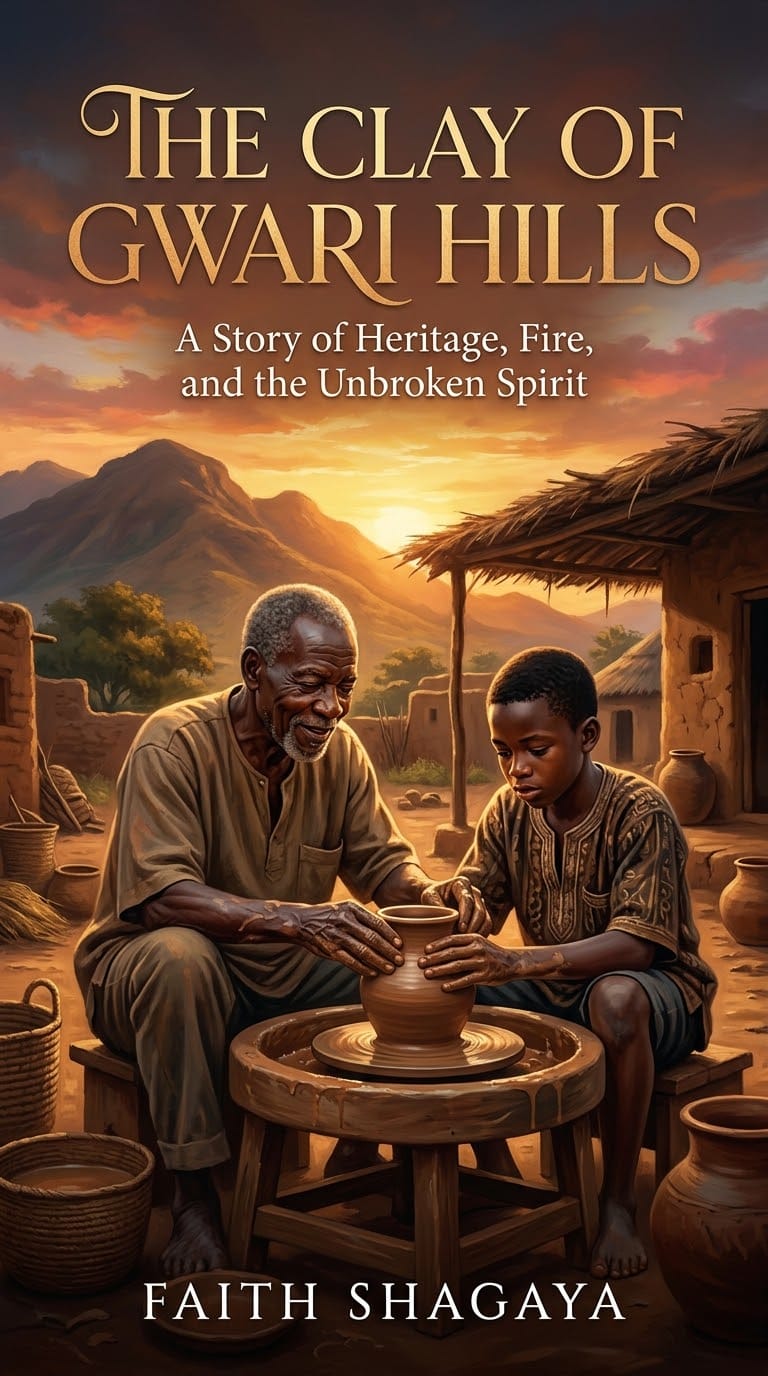
In a village among the Gwari hills, morning mist settled over the dry farmlands, and daily life followed the turning of a potter's wheel.
For seventy years, Elder Kindo had earned his living from clay. His hands were scarred and covered in fine red dust, and he could tell just by touch whether the clay from the stream bank was ready to use. To him, every lump of earth had a spirit waiting to take shape. He made water pots that stayed cool in the hottest afternoons, wide basins for pounding yam, and tall grain storage jars that stood like faithful guards.
His sixteen-year-old grandson, Enyola, saw things very differently. To him, clay was not a proud tradition. It was a weight holding him back. He spent his evenings watching videos on his cracked phone: tall buildings in Abuja and Lagos, young men in sharp suits, and a fast life where money seemed to move as quickly as cars on the highway.
One afternoon, while working a heavy block of clay and wiping sweat from his face, Enyola complained. Nobody wanted heavy pots anymore, he said. People used plastic containers and imported steel. Why waste energy shaping mud when the world had moved on?
Kindo kept his foot moving steadily on the wheel, turning a shapeless lump into a slender pot neck. He did not scold the boy. He just smiled, and the deep lines on his face folded like the lines on an old map. He called Enyola closer and tapped the rim of a half-finished pot.
"Do you know why a plastic bucket cracks in the sun, but this clay pot keeps water cool and sweet?" he asked.
Enyola shook his head.
"Because plastic forgets where it came from," Kindo said. Machines rush it into a mold without caring about its strength. Clay, however, learns patience. It must be dug from deep in the ground, trampled, soaked, beaten to push out the air, and finally put through fierce fire. Only what has survived the fire can hold water without leaking.
Enyola looked down at the spinning wheel. The words stayed with him, though part of his mind was still pulled toward the city.
**The Storm**
Weeks later, the dry season ended with a sudden and violent storm. The sky turned dark gray, and strong winds tore metal sheets off roofs and flattened young maize. Then a flash flood rushed down from the hills into the valley.
Panic spread through the village. Remembering his grandfather's lesson, Enyola moved quickly. While neighbors ran around trying to save their belongings, he and Kindo worked together to secure the big grain jars and storage pots lined up against the stone foundation of their home.
The floodwater crashed past, throwing debris against the walls. Plastic containers and jerrycans that neighbors had left outside were swept away, crushed, and torn apart. But Kindo's thick, fire-hardened clay jars stayed firmly in place. Not one of them cracked. They protected the family's yams and dried grains.
Standing knee-deep in the leftover water, soaked and out of breath, Enyola stared at the pots that had survived. For the first time, he saw beyond the dust on his hands. His grandfather was not just making pots. He was protecting a legacy of strength and endurance that no factory shortcut could replace.
**A New Direction**
Months later, as Enyola thought about his future, he did not give up on the modern world, and he did not turn his back on the red soil of his ancestors. Instead, he used his smartphone to photograph his grandfather's beautiful pottery and started an online showcase. Soon, collectors in Abuja and beyond were discovering traditional Gwari craftsmanship.
The clay had not held him back after all. It had given him a strong foundation from which he could reach the whole world.
Would you like a cover page for this one too, or a few title options?