Writers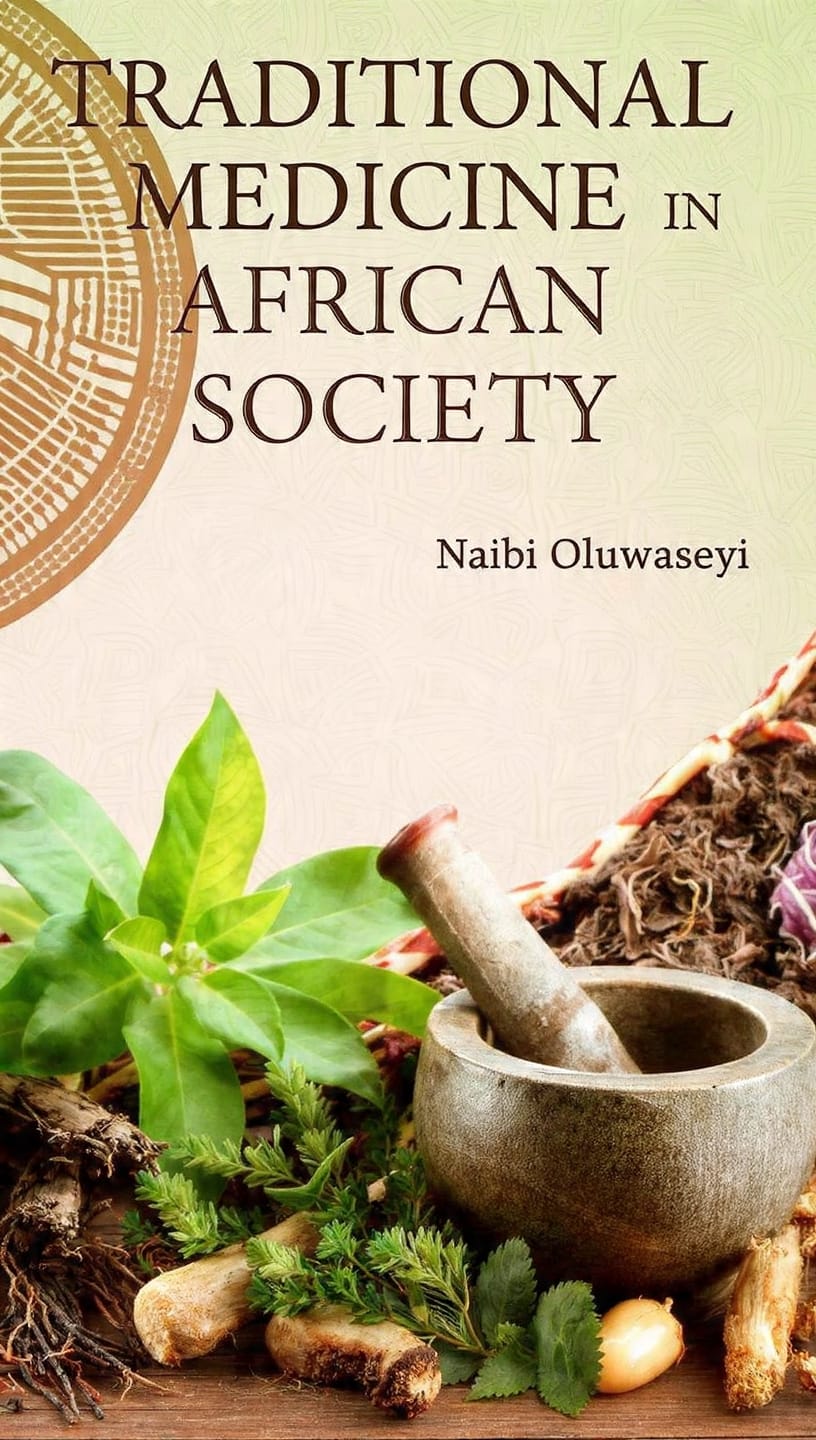
Traditional medicine has been an important part of African society for centuries. Long before the introduction of modern hospitals, clinics, and pharmaceutical drugs, communities depended on knowledge passed down from one generation to another to prevent and treat illnesses. In Nigeria and many other African countries, traditional medicine remains relevant today, particularly in rural communities where access to modern healthcare may be limited.
Traditional medicine refers to the knowledge, practices, and methods used by indigenous communities to maintain health and treat diseases. These practices are often based on locally available plants, herbs, roots, leaves, barks, and other natural materials. Traditional healers may also use massage, spiritual practices, special diets, and other methods depending on the culture and nature of the illness.
One of the most common forms of traditional treatment is the use of medicinal plants. Different communities have developed knowledge about plants believed to have healing properties. Leaves may be boiled to produce herbal drinks, while roots and barks may be prepared in different ways. Some plants contain substances that have genuine medicinal effects, and modern medicine itself has developed several drugs from natural substances. For example, some pharmaceutical medicines have their origins in compounds discovered in plants.
Another traditional method is therapeutic massage. In some communities, traditional practitioners use massage to relieve muscle pain, body aches, and certain physical injuries. Bonesetters are also found in several parts of Nigeria and other African countries. They traditionally treat fractures and dislocations using techniques involving manipulation, splints, and locally prepared materials. While some practitioners have considerable practical experience, improper treatment of serious injuries can cause permanent complications.
Traditional medicine is also closely connected to the cultural and spiritual beliefs of many African communities. Some people believe that certain illnesses can have spiritual or supernatural causes. Consequently, traditional healers may combine herbal treatment with prayers, rituals, sacrifices, or other spiritual practices. These approaches are deeply connected to cultural identity and the belief systems of particular communities.
One major advantage of traditional medicine is its accessibility. In many rural areas, traditional practitioners may be easier to reach than hospitals or doctors. Traditional remedies may also be less expensive, making them attractive to people who cannot afford modern healthcare. Furthermore, traditional healers often understand the customs and language of the communities they serve, allowing patients to feel comfortable discussing their problems.
However, traditional medicine also has significant limitations. Not every traditional remedy is scientifically proven to be safe or effective. The dosage of herbal preparations may be difficult to determine, and some plants can be poisonous or interact dangerously with modern medicines. There is also the danger of delaying hospital treatment for serious conditions such as severe infections, fractures, pregnancy complications, cancer, or other emergencies.
Another concern is the lack of standardisation. Two practitioners may prepare the same herbal remedy differently, resulting in different concentrations and effects. Poor hygiene during preparation can also introduce harmful microorganisms. Therefore, traditional medicine should not automatically be considered harmless simply because it is described as "natural."
The relationship between traditional and modern medicine does not necessarily have to be one of conflict. There is increasing interest in studying traditional medicinal knowledge scientifically. Researchers can investigate plants and traditional practices to determine which are genuinely effective, identify their active compounds, establish safe dosages, and develop improved treatments. At the same time, traditional practitioners can benefit from training in hygiene, basic health knowledge, patient referral, and recognition of medical emergencies.
In conclusion, traditional methods of treatment and medicine are an important part of African history, culture, and healthcare. They represent generations of accumulated knowledge and continue to provide healthcare options for many people. Nevertheless, traditional remedies should be approached carefully because natural substances can still cause harm. The best approach is to respect valuable traditional knowledge while applying scientific research and appropriate medical standards. When traditional knowledge and modern healthcare are responsibly combined, society can benefit from both cultural heritage and scientific advancement.