 Writers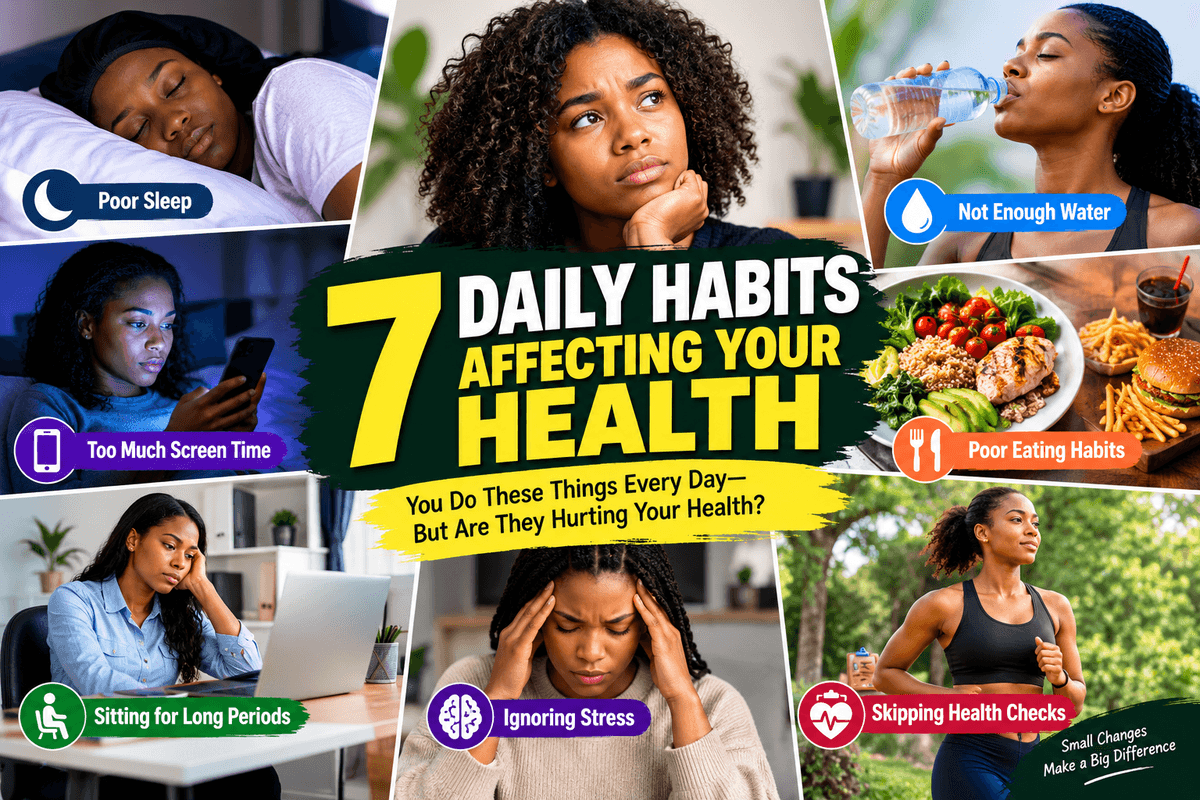
7 Everyday Habits That May Be Quietly Affecting Your Health
Many people think that serious health problems always begin with obvious warning signs. But sometimes, the habits we repeat every day can gradually affect our physical and mental well being without us paying much attention.
The good news is that recognizing these habits early can help you make healthier choices. Here are seven common habits worth looking at.
1. Not Getting Enough Sleep
Sleep is more than just a time for your body to rest. It plays an important role in memory, concentration, mood, immune function, and overall health.
Regularly getting too little sleep can leave you feeling tired during the day and make it harder to concentrate. Instead of treating sleep as something you can sacrifice whenever life becomes busy, try to make a consistent sleep schedule a priority.
2. Sitting for Long Periods
Modern life often involves spending hours sitting at school, work, while using a computer, or watching television.
Long periods of inactivity can contribute to poor posture and make it harder to maintain an active lifestyle. A simple solution is to take regular movement breaks. Standing up, stretching, walking around, or doing a few minutes of light activity throughout the day can help you avoid staying in one position for too long.
3. Ignoring What You Eat
Eating occasionally isn’t the problem. The bigger issue is when highly processed foods, sugary drinks, and foods high in salt or unhealthy fats regularly replace nutritious options.
Your body needs a variety of nutrients to function properly. Try building meals around vegetables, fruits, whole grains, beans, nuts, and appropriate sources of protein. You don’t have to completely eliminate your favorite foods; balance and variety matter.
4. Not Drinking Enough Water
Water is essential for many processes in the body. When you don’t drink enough, you may experience symptoms such as thirst, dry mouth, headaches, or dark-colored urine.
Instead of waiting until you feel extremely thirsty, keep water available throughout the day. Your fluid needs can vary depending on factors such as weather, activity level, and overall health.
5. Spending Too Much Time on Screens
Phones, computers, and other devices have become part of everyday life. However, excessive screen time especially late at night can interfere with sleep and reduce the amount of time spent moving around.
Try taking regular breaks from screens. If you’re using a device for a long period, look away from the screen occasionally and give your eyes a break.
6. Constantly Ignoring Stress
Everyone experiences stress, but constantly ignoring it doesn’t necessarily make it disappear.
Long-term stress can affect sleep, mood, concentration, and daily habits. Healthy ways of managing stress can include physical activity, talking to someone you trust, spending time outdoors, relaxing, maintaining social connections, or organizing tasks more effectively.
If stress becomes overwhelming or begins interfering significantly with daily life, talking with a trusted adult or qualified health professional can be an important step.
7. Skipping Regular Health Checks
You don’t always have to feel sick before paying attention to your health. Routine medical checkups can help healthcare professionals identify certain problems early and provide advice based on your individual circumstances.
The appropriate checks depend on your age, medical history, family history, and other risk factors, so it’s best to discuss them with a healthcare professional.
Small Changes Can Make a Difference
Improving your health doesn’t necessarily require changing everything overnight. Small, realistic improvements can be easier to maintain than extreme changes.
Start by identifying one habit you could improve. Maybe it’s getting more consistent sleep, drinking more water, moving regularly, or adding more nutritious foods to your meals.
Your daily habits may seem insignificant individually, but over time they can become an important part of your overall lifestyle.
Remember: health information online should not replace professional medical advice. If you have concerning or persistent symptoms, speak with a qualified healthcare professional rather than trying to diagnose yourself.