 Writers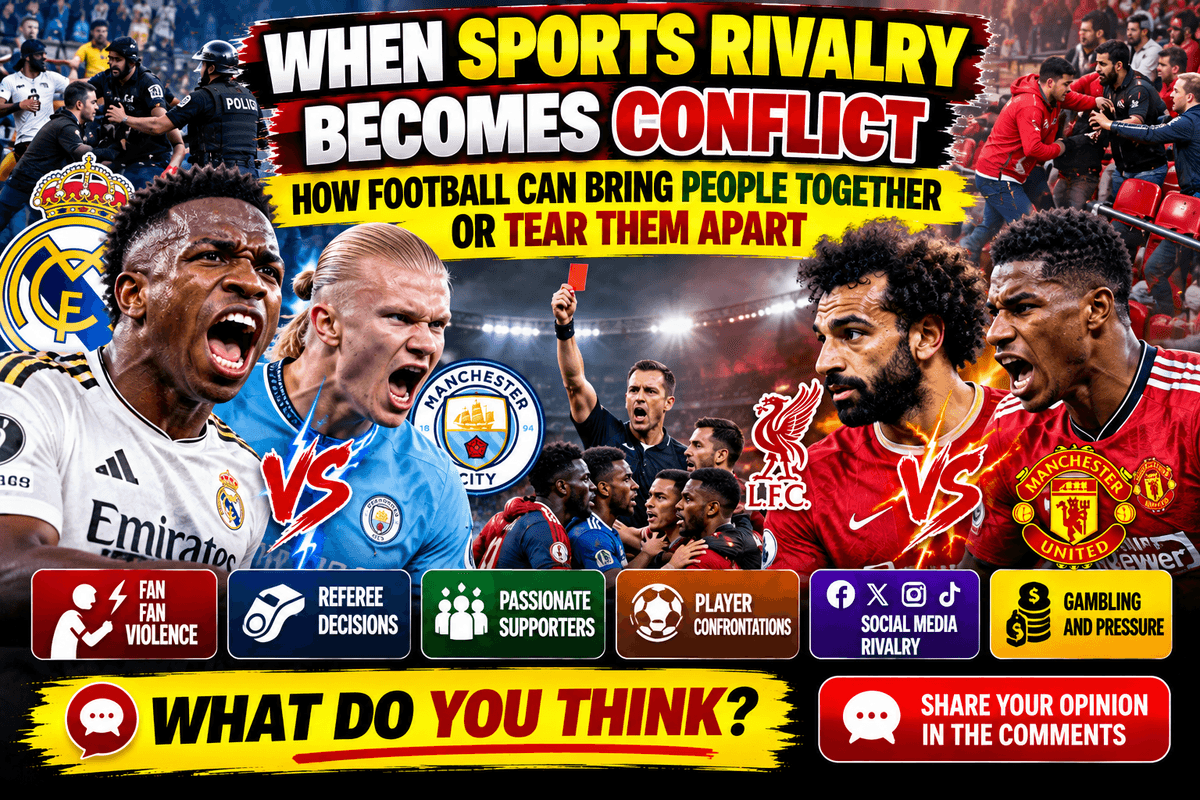
Sports are often described as a tool for unity. Football, basketball, athletics and other sporting activities bring people from different backgrounds together to support a common team or represent their community. However, when competition becomes too intense, sports rivalry can sometimes develop into serious conflict.
A football match that begins with excitement can suddenly turn into an argument between supporters. Insults may be exchanged, players may confront one another, and in extreme situations, supporters can become involved in violence.
This raises an important question: Why does something meant to entertain people sometimes become a source of conflict?
The Passion Behind Sports Rivalry
Sports naturally create competition. Supporters want their teams to win, and players want to prove themselves against their opponents.
Healthy rivalry can actually make sports more interesting. Fans enjoy debating which team is better, players are motivated to perform at their highest level, and competition encourages improvement.
The problem begins when supporters stop seeing the opposing team as a competitor and begin seeing them as an enemy.
How Conflict Can Begin
Sports conflict can start from something as simple as a controversial decision by a referee.
A supporter may believe that a referee deliberately favoured the opposing team. Another supporter may disagree. What begins as an argument can quickly become heated, particularly when people are already emotionally invested in the game.
Players can also contribute to tension through aggressive behaviour, provocative celebrations, insults or physical confrontations.
Social media has made the situation even more complicated. Supporters can continue arguments long after a match has ended, sometimes using offensive comments that increase hostility between rival groups.
The Role of Identity
For some supporters, sports are more than entertainment. A football club can become part of a person's identity.
When someone strongly identifies with a team, criticism of that team can sometimes feel like a personal attack. This can make ordinary sporting disagreements much more emotional than they need to be.
In some communities, sporting rivalries can also reflect existing social, ethnic, religious or political divisions. When this happens, a football match may become an opportunity for deeper disagreements to surface.
When Rivalry Goes Too Far
There is nothing wrong with supporting a team passionately. The problem occurs when passion becomes hatred.
Violence at sporting events can lead to injuries, destruction of property, arrests and even loss of life. It can also discourage families and peaceful supporters from attending matches.
Players themselves can suffer when aggressive behaviour from supporters creates an unsafe environment.
How Can Sports Conflict Be Managed?
One important solution is promoting sportsmanship.
Players should respect opponents, coaches should discourage unnecessary provocation, referees should be supported in maintaining fair play, and supporters should understand that losing a match is not a reason to attack another person.
Sports organisations can also establish clear rules and consequences for violence, while stadium security should be properly prepared to respond to incidents before they escalate.
Education is equally important. Young people should be taught from an early age that competition does not require hatred.
A team can lose today and win tomorrow. A rival supporter can disagree with you and still deserve your respect.
Sports Should Unite Us
At its best, sport creates friendships, encourages teamwork and brings people from different backgrounds together.
The excitement of competition should not destroy the relationships and communities surrounding it.
You can support your team passionately without hating the opponent. You can celebrate victory without humiliating the loser. And you can disagree with a referee without becoming violent.
The Big Question
Do you think sports rivalry in Nigeria is becoming too aggressive, especially among football supporters?
What do you think is the biggest cause of sports-related conflict: referee decisions, provocative players, social media, passionate supporters, gambling, or the desire to win at all costs?
Share your opinion in the comments.
