 Writers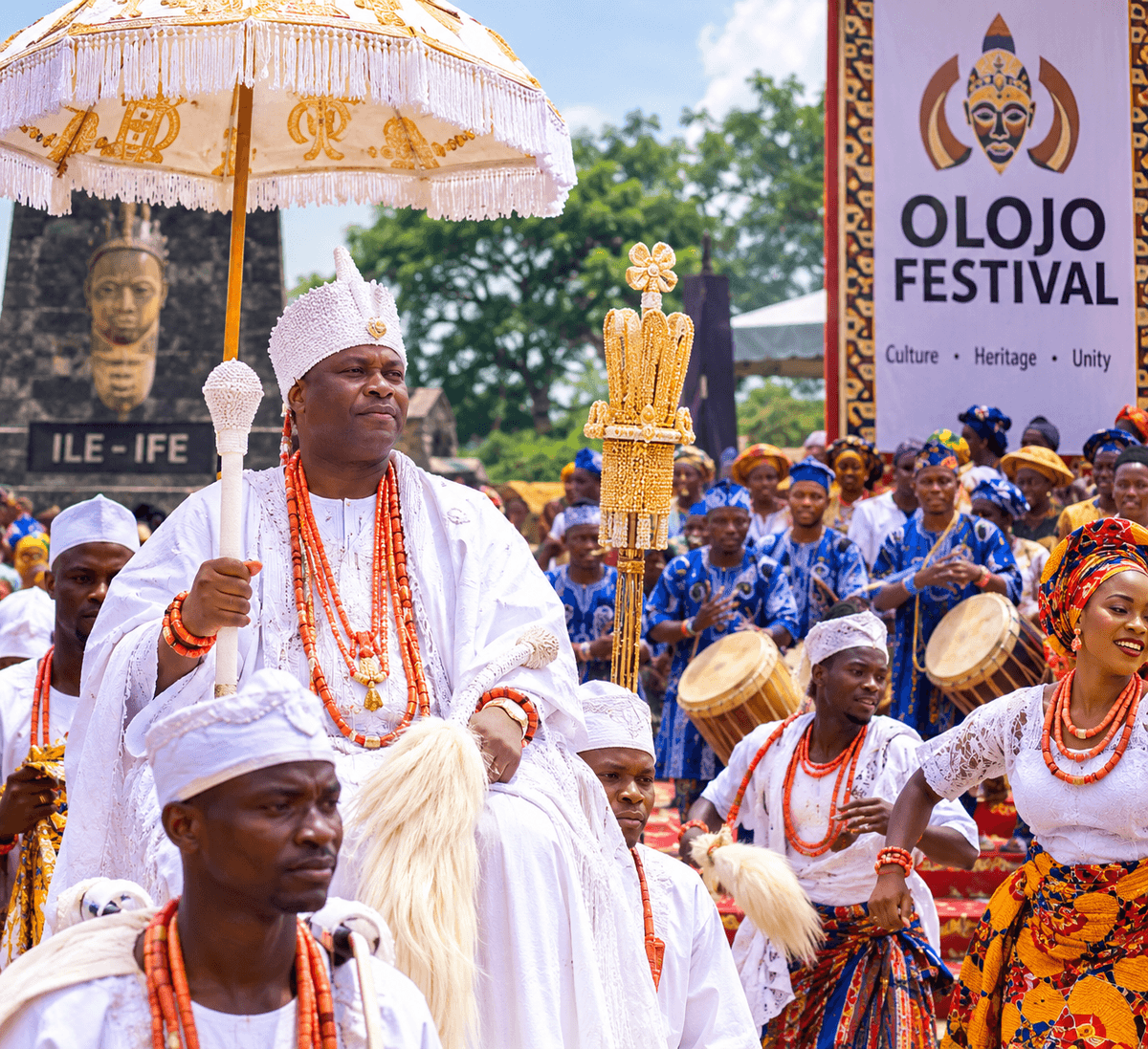
One of the significant conventional festivals observed by the Yoruba people of Nigeria is the Olojo Festival. The event is held every year in Ile-Ife, Osun State, a city that is commonly thought to be a significant hub of Yoruba history, culture, and customs. The festival is a vibrant event that brings together traditional rulers, families, cultural groups, residents, and visitors to celebrate Yoruba heritage and preserve the values that have been passed down from generation to generation.
The festival is historically linked to Ogun, the Yoruba god of iron, war, hunting, technology, inventiveness, and laborious labor, and it means "Owner of the Day." Therefore, the festival is important both culturally and spiritually. It gives individuals a chance to realize the value of bravery, strength, inventiveness, and industriousness in their community.
The involvement of the Ooni of Ife, the traditional king of Ile-Ife, is one of the festival's most important features. During the festival, the Ooni wears distinctive ceremonial garb and participates in significant cultural activities. The sacred crown connected with the event is a crucial emblem of the festival and represents the historical and spiritual bond between the Ooni, the populace, and their ancestral heritage.
Bright cultural shows typically signify the festival. Drummers, dancers, and cultural entertainers enhance the party's excitement, while participants don elegant conventional attire. A rich Yoruba cultural atmosphere is created through traditional prayers, dancing, music, and tunes. Additionally, people take advantage of the opportunity to get back in touch with their friends, families, and communities.
The Olojo Festival is important for cultural preservation in addition to fun. Some native traditions in Nigeria are in danger of being lost due to modern lifestyles and increased worldwide influence, even though the country has many of them. Young people learn about their origins and are motivated to respect their culture, language, history, and customs through celebrations like Olojo.
The celebration also has commercial value. Local businesses can see more action when guests visit Ile-Ife for the celebration. More customers may be served by service professionals such as artisans, traders, transportation operators, eateries, and hotels. Traditional crafts, apparel, food, and other cultural products can also get more attention.
The Olojo Festival not only promotes tourism but also gives Nigeria the chance to display its cultural variety to the globe. Visitors can partake in ceremonies, attire, traditional music, and other elements of Yoruba culture. The festival's traditional significance may be preserved while attracting cultural tourists via careful documentation and ethical promotion.
The preservation of the Olojo Festival, however, necessitates the engagement of both the older and younger generations. Youth can utilize contemporary technology and social media to properly record and advertise the event, while elders may continue to pass on traditional expertise to them.
In summary, the Olojo Festival is more than a vibrant yearly event. It stands for Yoruba history, culture, spirituality, and community. It serves as a reminder to Nigerians that cultural heritage is a valuable asset that must be safeguarded and cherished. The Olojo Festival has the potential to maintain Yoruba history and identity alive for many generations to come by transferring its traditions from one generation to the next.
