Writers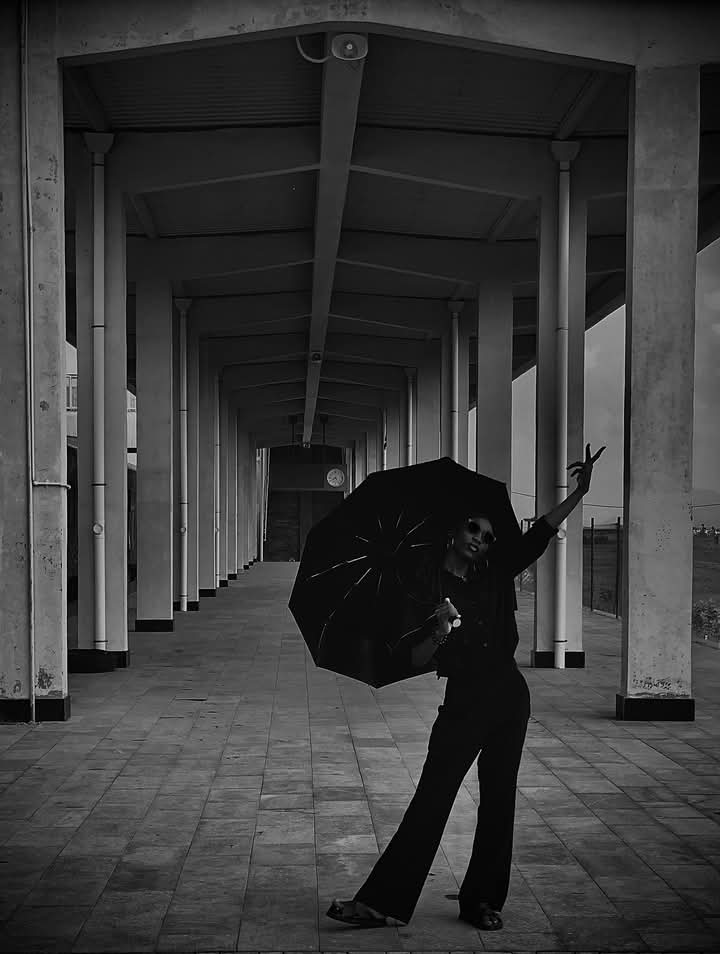
DRESSED TO BE SEEN
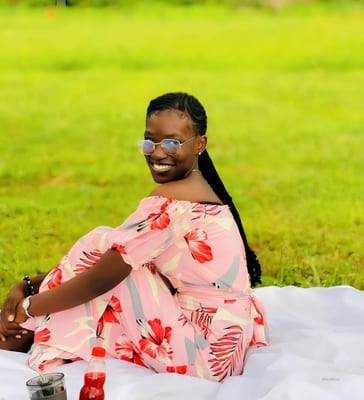
Before she said a word, her clothes had already introduced her.
The dress was carefully chosen, the shoes carefully matched, her hair neatly arranged, and every little detail seemed intentional. She stood before the mirror one last time, turning slightly from side to side, making sure everything looked exactly the way she wanted it to. She wasn't simply getting dressed, she was preparing to be seen.
A piece of clothing is, after all, just fabric stitched together, yet the moment it touches the body, it begins to tell a story. We dress for weddings, interviews, dates, birthdays, church services, dinners, parties, and even ordinary days when we simply feel like looking good. Sometimes we dress for ourselves. Other times, we dress because we want someone else to notice.
There is nothing inherently wrong with wanting to be noticed. Everyone wants to feel seen. There is a certain satisfaction that comes when you walk into a room and someone compliments your outfit. You straighten your shoulders a little, smile a little wider, and for a moment, you feel like the effort was worth it.
But somewhere between dressing beautifully and desperately seeking attention, there is a line we rarely talk about: the difference between being seen and being validated.
Fashion can be a beautiful form of self-expression, but it can also become a mirror in which we constantly measure our worth by other people's reactions. How many people looked at me? How many compliments did I receive? Did they notice the dress? Did they like my pictures? Did I look better than everyone else?
And suddenly, the outfit that was supposed to express us begins to define us. We become dressed for approval.
Perhaps that is why some people can spend hours preparing themselves and still feel inadequate when they finally step outside. No outfit, no matter how beautiful, can permanently satisfy a heart that is constantly asking other people to confirm its worth.
Fashion should be an expression, not a prison.
Wear the colours you love. Try the style you've always wanted to try. Dress elegantly, simply, boldly, traditionally, differently. Let your clothes tell a story if you want them to. But remember that the person wearing the clothes is still more valuable than the clothes themselves.
Eventually, the makeup fades. The shoes become old. The dress goes out of fashion. The photograph disappears beneath hundreds of newer photographs. And when all of that is gone, what remains is you, the person behind the outfit, the heart behind the appearance, the character behind the image.
Maybe the real beauty of fashion isn't that it makes us noticeable. Maybe it is that it gives us another language through which we can introduce ourselves to the world.
So dress well. Dress confidently. Dress like you understand that you deserve to occupy space. But don't dress to become somebody else. Don't dress because you are ashamed of who you are. Don't let a mirror become your judge, and don't allow the eyes of strangers to become the measurement of your worth.
Be seen, yes. But more importantly, be known.
Let people discover the kindness behind the clothes, the dreams behind the confidence, the story behind the smile, and the person beneath the carefully chosen outfit. Fashion can make you visible, but who you are gives that visibility meaning.
So the next time you stand before your mirror, adjusting your clothes before stepping outside, look beyond the outfit.
Because clothes can help you make an entrance, but character is what makes people remember you after you've left.