 Writers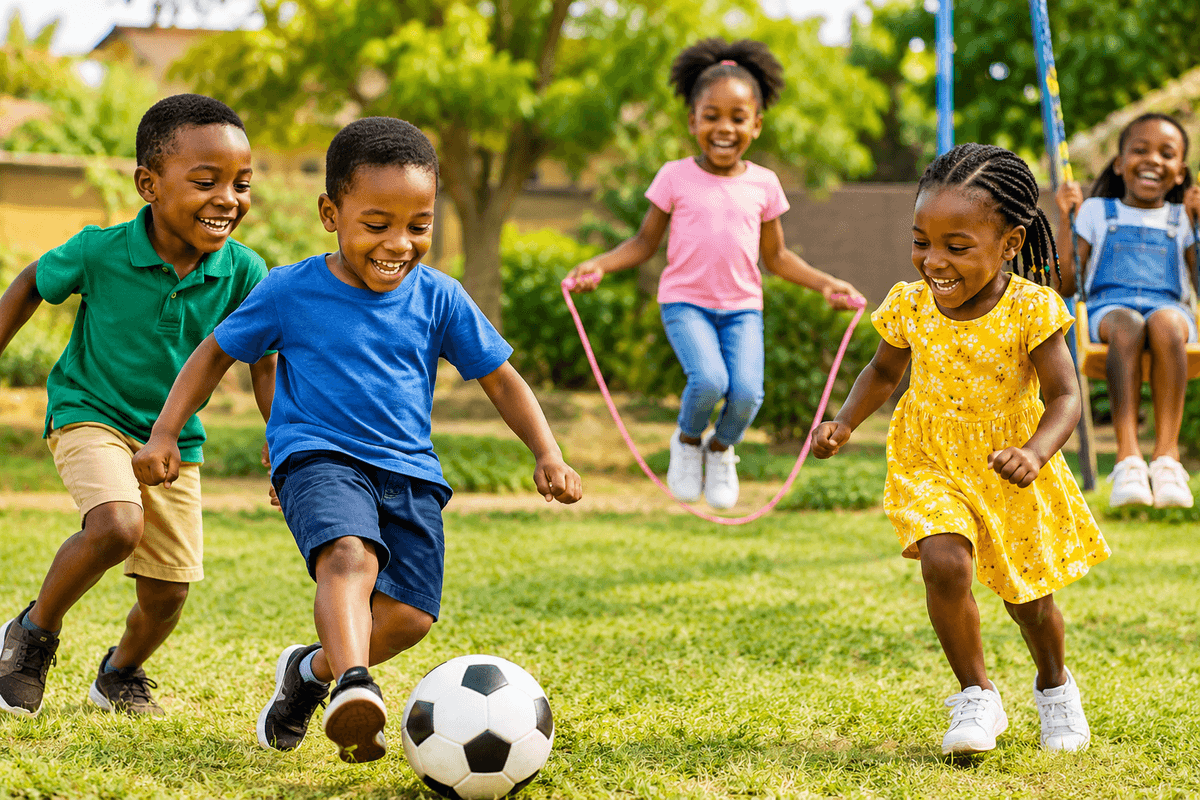
CHILDHOOD IS A ONCE IN A LIFETIME GIFT
Allow children to enjoy their childhood. Playtime is not a waste of time; it is an essential part of their growth and development.
In our determination to raise intelligent, disciplined and successful children, we sometimes forget that childhood is a precious stage of life that can never be recovered. Many children wake up early, attend school, return home to complete assignments, attend extra lessons and perform household chores, leaving little or no time to play.
While education and discipline are important, children also deserve the freedom to laugh, explore, make friends and create beautiful childhood memories.
Playtime is not merely entertainment. It is an essential part of a child's physical, emotional, intellectual and social development.
THE POSITIVE IMPACT OF PLAYTIME ON CHILDREN
1. Playtime develops creativity and imagination
When children play, they create imaginary worlds, invent games and discover new ways of doing things. These activities stimulate their imagination, encourage independent thinking and develop problem-solving skills. A child who is allowed to explore creatively may grow into an adult who approaches challenges with confidence and innovation.
2. Playtime builds confidence and independence
Through play, children learn to make decisions, overcome challenges and discover their abilities. Whether learning to ride a bicycle, building a toy house or participating in group activities, every little achievement strengthens their confidence and encourages independence.
3. Playtime improves emotional well-being
Children experience stress, frustration and disappointment, even when they cannot express these feelings verbally. Playing provides an opportunity to release tension, experience happiness and develop emotional resilience. A healthy balance between learning, rest and recreation supports their emotional well-being.
4. Playtime teaches important social skills
The playground is often a child's first practical classroom for human relationships. Through interaction with other children, they learn cooperation, patience, sharing, communication and conflict resolution. They also discover how to accept defeat gracefully, celebrate others' achievements and respect individual differences.
5. Playtime promotes physical development
Running, jumping, dancing and participating in outdoor activities help strengthen children's muscles and bones, improve coordination and support healthy physical development. Active play also encourages healthy habits and can improve sleep quality.
6. Playtime strengthens family relationships
Parents should occasionally put aside their phones, professional responsibilities and daily worries to play with their children. Simple activities such as storytelling, football, board games and family outings create lasting memories and strengthen emotional connections.
DEAR PARENTS, LET CHILDREN BE CHILDREN
Do not measure your child's development solely by academic performance. A child who excels academically but has little opportunity for recreation may miss valuable experiences that contribute to balanced development.
Allow children to explore nature, make friends, ask questions and enjoy age-appropriate adventures. Provide safe environments, reasonable supervision and a healthy balance between play, education and responsibilities.
Remember, childhood is not a competition to see who becomes an adult first.
One day, the toys will disappear, the playgrounds will become memories, and your children will grow into adults with responsibilities of their own.
Give them an education, but also give them beautiful memories. Teach them discipline, but never deny them the happiness of childhood.
Let children play today, because they will never be this young again.